4 Bay vs 8 Bay TV Antenna: Signal Strength Showdown
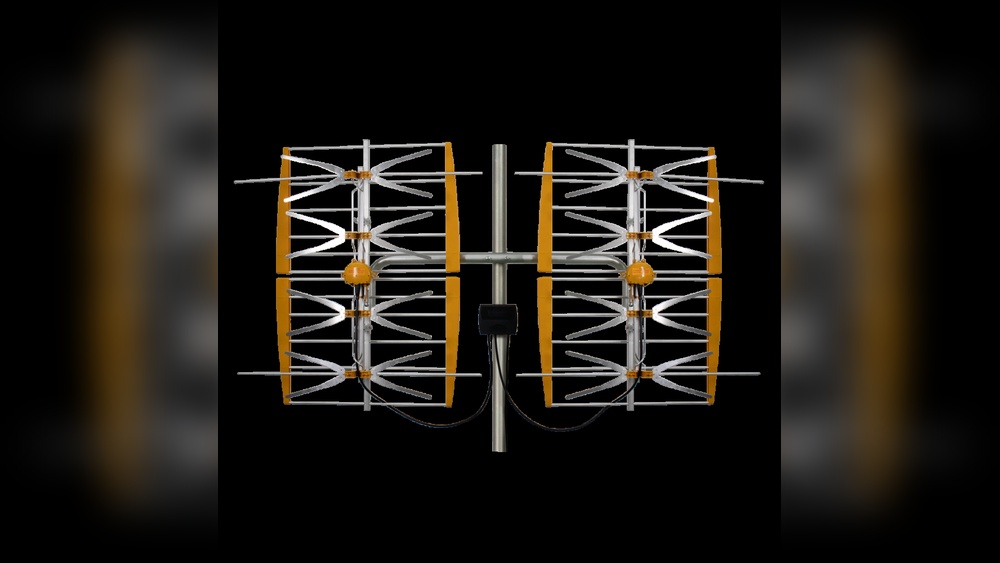
A 4-bay TV antenna is a solid choice for most homes, while an 8-bay antenna is built for maximum UHF range and stronger reception in … Read more

A 4-bay TV antenna is a solid choice for most homes, while an 8-bay antenna is built for maximum UHF range and stronger reception in … Read more
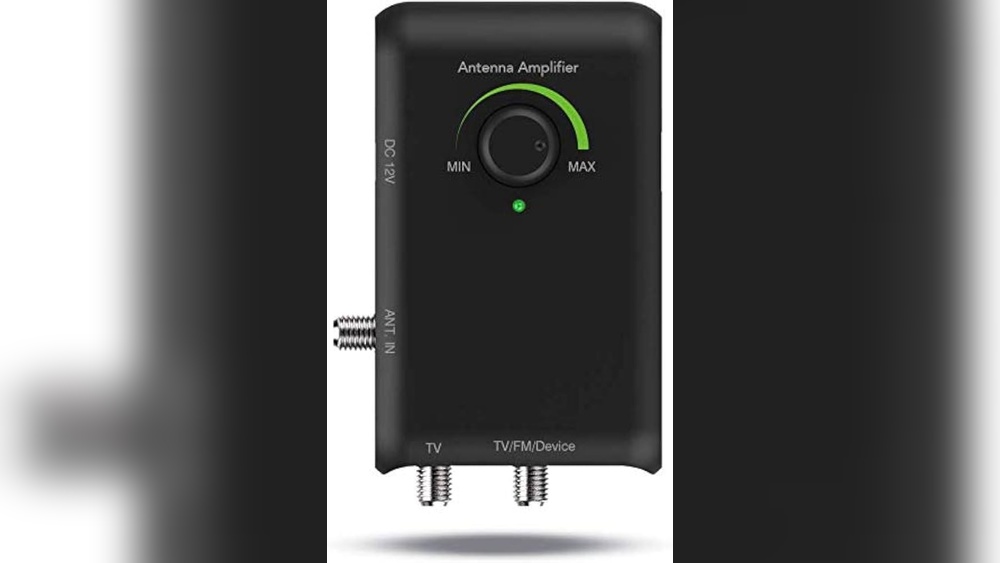
An amplified digital TV antenna isn’t always better than a non-amplified one—it depends on your signal strength and setup. Amplified antennas help when you’re far … Read more

Samsung TVs don’t have a built-in antenna, but most models do have a built-in TV tuner for over-the-air channels. That means you can plug in … Read more

Yes, you can connect a TV antenna to a projector, but the projector needs a TV tuner because antennas don’t plug into projectors directly. The … Read more

TV antennas usually don’t work well inside a metal building because the metal acts like a shield and blocks over-the-air signals. You might pick up … Read more

You need a TV antenna amplifier only if your signal is weak or you’re losing signal through your setup. An amplifier helps when you live … Read more

Yes, a rooftop TV antenna can sometimes receive FM radio, but it depends on the antenna design. FM stations use frequencies close to VHF-Low, so … Read more

Yes, you can connect a TV antenna to a monitor, but only if you add a TV tuner because most monitors don’t have an antenna … Read more

Yes, TV antenna amplifiers really work, but only when they’re used for the right reason. They don’t “create” signal— they boost the signal you already … Read more

Yes, you can make a DIY TV antenna “booster,” but it won’t work like a real amplifier. Simple tricks like improving antenna placement, using a … Read more

Yes, you can make a DIY digital TV antenna, and it can work surprisingly well for nearby local channels. Since over-the-air TV uses VHF and … Read more

No, TV antennas don’t emit radiation in the way people usually mean it, because they are passive devices that mainly receive broadcast signals. They don’t … Read more