
No, TV antennas don’t emit radiation in the way people usually mean it, because they are passive devices that mainly receive broadcast signals. They don’t create radio waves unless you’re using an amplified antenna, and even then the amplifier only boosts the signal through the cable—it doesn’t transmit like a cell tower or Wi-Fi router.
The signals involved are low-power radio waves that have been used for decades and are generally considered safe at normal household exposure levels.

Credit: en.wikipedia.org
How Tv Antennas Work
Understanding how TV antennas work helps clear up many common questions. People often wonder if antennas emit radiation or just catch signals. TV antennas do not create signals. They only receive them from broadcast towers. This simple process allows your TV to show channels clearly without extra emissions.
Signal Reception Basics
TV antennas catch radio waves sent by local stations. These waves travel through the air carrying audio and video information. The antenna picks up these waves and sends them to your TV. Your TV then decodes the waves into pictures and sounds you watch. The strength of the signal depends on distance and obstacles like buildings or trees.
Types Of Tv Antennas
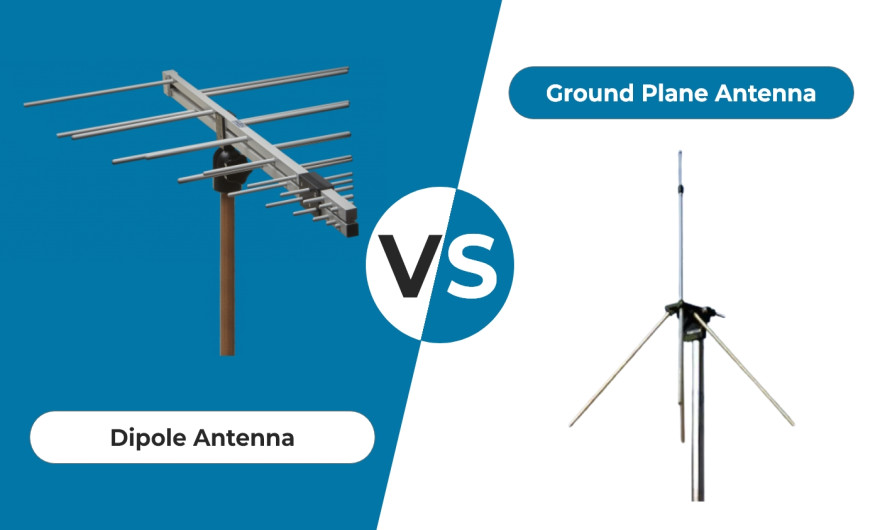
Different antennas serve different needs. Indoor antennas are small and easy to place near your TV. Outdoor antennas are larger and placed on roofs or walls for better signal. Some antennas are directional, meaning they point toward a signal source. Others are omnidirectional, catching signals from all around. Choosing the right type helps get the best picture quality.
Radiation Types And Sources
Radiation surrounds us every day. It comes from many sources, both natural and man-made. Understanding the types of radiation helps us know what is safe and what is harmful. This section explains the two main types of radiation and where we find them at home.
Ionizing Vs Non-ionizing Radiation
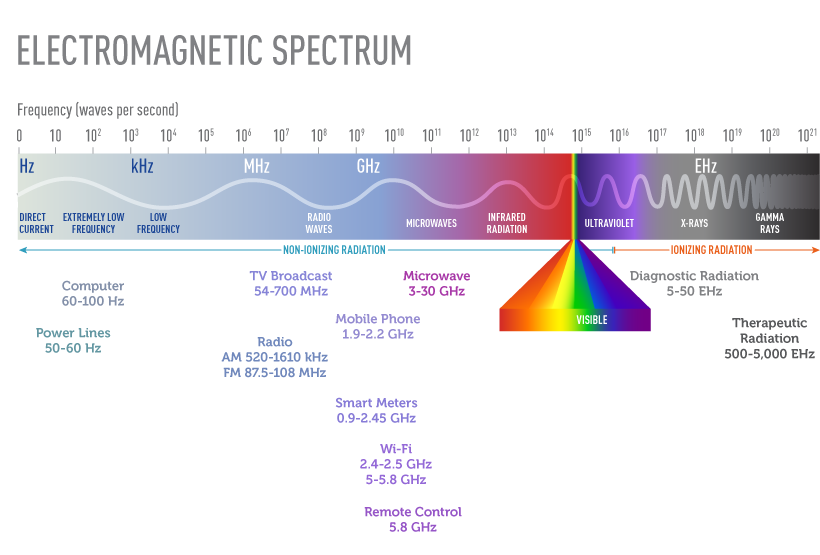
Radiation splits into two groups: ionizing and non-ionizing. Ionizing radiation has high energy. It can damage cells and DNA. Examples include X-rays and radioactive materials. This type can be harmful to health with too much exposure.
Non-ionizing radiation has less energy. It cannot damage cells directly. Examples include radio waves, microwaves, and visible light. This type is generally safe at low levels. TV antennas emit non-ionizing radiation.
Common Household Radiation Sources
Homes have many radiation sources. Cell phones and Wi-Fi routers use non-ionizing radio waves. Microwave ovens send out microwaves to heat food. Even sunlight gives off visible light and ultraviolet rays.
Other sources include smoke detectors and some older TVs. Most household radiation is low energy and safe. Understanding these sources helps reduce fear about TV antennas.
Radiation Emission From Tv Antennas
TV antennas are common devices used to receive broadcast signals. Many people wonder if these antennas emit radiation that could affect health. Understanding radiation emission from TV antennas helps clear up this concern.
Radiation means energy that travels in waves or particles. TV antennas work with radio waves, a type of electromagnetic radiation. The key question is whether antennas send out radiation or only receive it.
Transmission Vs Reception
Antennas can either send or receive signals. Transmission means sending radio waves out. Reception means catching radio waves from a source. TV antennas are designed for reception only. They pick up signals sent by broadcast towers. They do not generate or send out radio waves themselves. This means they do not transmit radiation.
Do Antennas Act As Transmitters?
TV antennas do not act as transmitters. They do not emit any radiation on their own. Their job is to capture waves from outside sources. The broadcast towers are the transmitters, sending signals over the air. Antennas simply receive these signals and pass them to your TV. No harmful radiation comes from the antenna itself.
Credit: www.cancer.org
Safety Standards And Regulations
TV antennas are common in many homes for receiving broadcast signals. People often ask if these antennas emit harmful radiation. Safety standards and regulations help answer this concern by setting clear rules for radiation exposure. These rules ensure antennas operate safely and pose no health risks.
Radiation Exposure Limits
Radiation from TV antennas is very low. Experts set exposure limits to protect people’s health. These limits are far below levels that can cause harm. The limits cover all types of radiation antennas might emit. Strict rules keep radiation well under safe levels. This means using a TV antenna is safe for everyone.
Regulatory Bodies And Guidelines
Many organizations create rules for radiation safety. They include government agencies and international groups. These bodies test antennas to make sure they meet safety standards. They also provide guidelines for manufacturers to follow. This process stops unsafe antennas from reaching homes. Following these rules protects public health and safety.
Health Concerns And Myths
Many people worry about the health effects of TV antennas. Some think antennas may emit harmful radiation. These concerns cause confusion and fear. Understanding facts helps clear myths and reduces stress.
Common Misconceptions
Some believe TV antennas give off dangerous radiation. This idea comes from mixing up antennas with devices like microwaves. TV antennas only receive signals; they do not send strong waves. The signals they catch are very weak and safe. There is no proof antennas cause health problems. Radiation from antennas is much lower than from everyday electronics.
Scientific Studies On Antenna Radiation
Scientists studied radiation from TV antennas for many years. They found the energy levels are very low. These levels are far below international safety limits. Research shows no link between TV antennas and illness. Health experts say antennas pose no risk to humans. Regular exposure to antenna signals is safe for all ages.
Credit: www.antennaexperts.co
Reducing Radiation Exposure
Reducing radiation exposure from TV antennas helps keep your home safer. Although TV antennas emit very low radiation, it is wise to take simple steps. These steps can lower any risks and give you peace of mind.
Safe Antenna Placement
Place the antenna away from places where people stay long. Avoid installing it near bedrooms or living rooms. Mounting antennas on rooftops or outside walls reduces exposure inside. Keep a good distance between the antenna and your family. This distance helps lower radiation levels in your home.
Protective Measures
Use materials that block or absorb radiation around the antenna base. Metal or special shielding covers can reduce signals entering your home. Regularly check antenna cables for damage or wear. Damaged cables may increase radiation leakage. Turn off or unplug antennas when not in use. This simple action cuts any unnecessary radiation completely.
Conclusion
Tv antennas do not emit harmful radiation. They only receive signals from broadcast towers. These signals are very weak and safe. Using a tv antenna poses no health risks. People can watch tv without worry. Simple and clear: antennas bring free tv safely.
Understanding this helps reduce fears. Enjoy your favorite shows with peace of mind. Safety and good tv go hand in hand.