
Yes, antenna TVs still work, and they’re still one of the best ways to get free local channels. Modern broadcasts are digital, so you can watch major networks like ABC, CBS, NBC, FOX, PBS, plus local subchannels, as long as you’re within range of the towers.
Most newer TVs have a built-in tuner—just connect an antenna, run a channel scan, and you’re ready to watch. Reception depends on placement, distance, and interference, but the service itself is still active nationwide.
Current Status Of Antenna Tvs
Antenna TVs remain a useful way to watch television without a cable subscription. Many people still use antennas to get free channels. The technology has changed, but antennas continue to work well in many areas. Understanding how they function helps explain their current status.
How Antenna Tvs Receive Signals
Antenna TVs catch signals sent by local broadcast towers. These signals travel through the air as radio waves. The antenna captures these waves and sends them to the TV. The TV then converts the signals into pictures and sound. The quality depends on the distance and obstacles between the antenna and tower.
Changes In Broadcast Technology
Broadcast technology has shifted from analog to digital signals. Digital signals offer clearer picture and sound quality. Older antennas still work with digital broadcasts, but some may need upgrades. Newer antennas are designed to receive digital signals better. Broadcasters also offer more channels using digital technology.
Availability Of Free Over-the-air Channels
Many free channels are available through antenna TVs. These include local news, sports, and entertainment channels. Some areas have more channels than others. Public and educational stations also broadcast for free. Antenna TV provides a cost-effective way to access many programs without monthly fees.
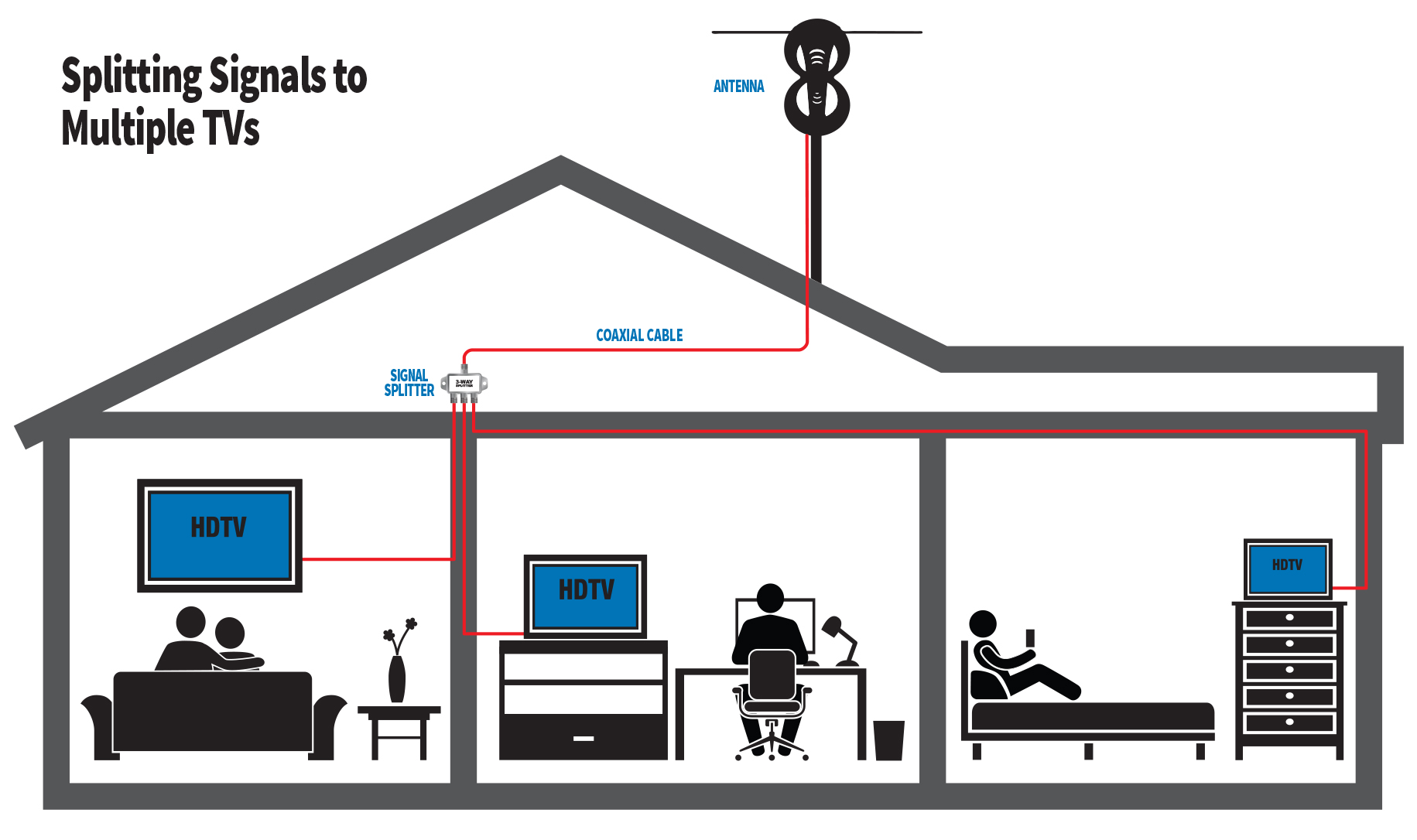
Credit: www.antennasdirect.com
Comparing Antenna Tvs To Streaming
Antenna TVs and streaming services offer different ways to watch shows and news. Both have benefits and drawbacks. Understanding these can help you choose the best option for your needs.
Cost Differences
Antenna TV usually costs less. You buy an antenna once and get free channels. Streaming often needs a monthly fee. Some services offer free plans but with ads and fewer shows. Equipment costs for streaming can add up too, like smart TVs or devices.
Channel Variety And Quality
Antenna TV offers local channels and some networks. Channel options depend on your location. Picture quality is usually good but can vary with signal strength. Streaming gives many channels and on-demand shows. Quality depends on your internet speed. Some streaming services offer HD or 4K resolution.
Internet Dependency
Antenna TV does not need internet. It works during internet outages or slow connections. Streaming relies fully on internet service. Without a good connection, streaming can buffer or fail. This makes antenna TV a reliable choice in areas with poor internet.
Types Of Antenna Tvs And Setups
Antenna TVs still work well today. They offer free access to many local channels. Choosing the right type of antenna is key for clear signals. Different setups suit different homes and needs. Understanding the types helps you get the best picture.
Indoor Vs Outdoor Antennas
Indoor antennas are small and easy to install inside. They work best near windows or higher spots. These antennas suit apartments or places without roof access. Outdoor antennas are larger and mount on roofs or walls. They catch signals from farther away. Outdoor antennas often give stronger, clearer reception. Weather can affect outdoor antennas more than indoor ones.
Digital Vs Analog Antennas
Digital antennas receive modern TV signals. They support high-definition channels and clear sound. Analog antennas are older and work with old TVs. Most stations now use digital signals only. Digital antennas provide better picture quality and more channels. Buying a digital antenna ensures future-proof TV viewing.
Antenna Placement Tips
Place antennas near windows and away from metal objects. Higher spots usually get better signals. Avoid placing antennas near electronics that cause interference. Try different spots to find the best reception. Outdoor antennas should face the direction of broadcast towers. Use online tools to find tower locations nearby. Testing placement improves channel quality and quantity.

Credit: starry.com
Common Issues And Fixes
Antenna TVs still work well, but some common problems can affect their performance. Many issues are easy to fix with simple steps. Understanding these problems helps you enjoy clear channels and good picture quality. Below are some common issues and their fixes.
Signal Interference Problems
Signal interference often causes poor TV reception. Nearby buildings, trees, or weather can block signals. Other electronic devices may also cause disturbances. Move your antenna to a higher spot or near a window. Avoid placing it close to other electronics. Changing the antenna’s direction can improve signal strength. Try small adjustments until the picture improves.
Troubleshooting Picture Quality
Picture quality problems include fuzzy or pixelated images. Loose or damaged cables can cause this issue. Check all cable connections and tighten them if needed. Replace old or worn cables for better results. Performing a channel scan on your TV can help find clearer signals. Sometimes, adjusting the antenna’s position fixes picture problems quickly.
Upgrading Your Antenna System
Older antennas may not catch all available channels. Upgrading to a newer model can increase channel variety. Choose an antenna designed for your area’s signal type. Amplified antennas boost weak signals for better reception. Adding a signal amplifier can improve distant channel reception. Regularly check for firmware updates if your antenna supports them.
Future Of Antenna Tv
The future of antenna TV remains promising despite changes in technology. Many people still prefer free access to local channels without monthly fees. Antenna TV continues to adapt and stay relevant as new tools develop. Understanding these changes helps viewers decide if antenna TV fits their needs.
Emerging Technologies
New technology improves antenna TV signal quality and range. Digital antennas can capture more channels with better clarity. Smart antennas adjust automatically to get the best signal. These tools make antenna TV easier to use and more reliable.
Potential Changes In Broadcasting
Broadcasting is moving toward more digital and high-definition content. Stations might use different frequencies to reach more viewers. Some broadcasters explore combining internet and antenna signals. This could offer more channels and better picture quality.
Role In Rural And Remote Areas
Antenna TV plays a key role in rural and remote places. Many areas have limited internet and cable options. Antennas provide free access to news, weather, and entertainment. They remain a vital source of information for these communities.

Credit: blog.solidsignal.com
Conclusion
Antenna TVs still work well for many people today. They offer free access to local channels and news. You can watch your favorite shows without paying monthly fees. Signal quality depends on your location and antenna type. Using an antenna can save money and reduce cable bills.
Many homes find antennas simple and reliable for TV viewing. It remains a good choice for clear, over-the-air broadcasts. Consider giving antenna TV a try for basic entertainment needs.