
Yes, TV antenna amplifiers really work, but only when they’re used for the right reason. They don’t “create” signal— they boost the signal you already receive and help prevent loss from long coax runs or splitters. If your antenna is pulling in a weak but usable signal, an amplifier can make it more stable and reduce dropouts.
But if the signal is already strong or full of noise, an amp can overload the tuner and make reception worse.
How Tv Antenna Amplifiers Work
Understanding how TV antenna amplifiers work helps to decide if they suit your setup. These devices strengthen weak signals before they reach your TV. This can improve picture quality and reduce signal loss. The process is simple yet effective in many cases.
Signal Boosting Basics
TV antenna amplifiers increase the strength of incoming signals. They take weak signals from the antenna and amplify them. This makes the signal clearer and stronger for the TV. Amplifiers help when signals travel long distances or face obstacles like buildings or trees. They do not create new signals but enhance existing ones.
Types Of Amplifiers
There are mainly two types of TV antenna amplifiers: preamplifiers and distribution amplifiers. Preamplifiers attach near the antenna to boost the signal early. Distribution amplifiers increase signal strength after it leaves the antenna, especially for multiple TVs. Each type suits different setups and needs.
Placement And Setup
Proper placement is key for amplifier effectiveness. Preamplifiers work best when placed close to the antenna. This reduces signal loss before amplification. Distribution amplifiers belong near the TV or where the cable splits. Avoid placing amplifiers near other electronics to prevent interference. Correct setup ensures the strongest and clearest signal possible.
Benefits Of Using Amplifiers
Using a TV antenna amplifier can bring many benefits to your viewing experience. These devices boost the signal your antenna receives. This can help reduce signal loss and improve overall reception. Many people find amplifiers useful, especially in areas with weak signals.
Improved Signal Strength
Amplifiers increase the power of the TV signal. This helps your TV pick up more channels clearly. The stronger signal reduces interruptions and static noise. It makes watching TV smoother and more enjoyable.
Extended Range
With an amplifier, your antenna can catch signals from farther away. This is great if you live far from broadcast towers. The extra reach means you get more channel options. It helps you access stations that were once out of range.
Enhanced Picture Quality
Better signal strength leads to clearer pictures. Amplifiers reduce pixelation and blurry images. You will see sharper and more vibrant colors on your screen. This improves your overall TV watching experience.
Limitations And Challenges
TV antenna amplifiers can help improve signal strength but they come with limits. Understanding these challenges helps set the right expectations. Amplifiers do not fix all problems and may create new issues.
Signal Interference Issues
Amplifiers boost all signals, including noise and interference. This can make weak signals harder to read. Nearby electronics or other antennas may cause extra interference. Amplifiers do not remove these unwanted signals. They only make them louder.
Over-amplification Risks
Too much amplification can damage the TV tuner. It can also cause signal distortion. This results in poor picture and sound quality. Finding the right amplifier level is important. Too strong a signal can be as bad as too weak.
Environmental Factors
Weather and terrain affect antenna signals a lot. Trees, buildings, and hills can block signals even with an amplifier. Rain and snow also weaken signals. Amplifiers cannot fix physical blockages or bad weather problems. They only work on the signals they receive.
When Amplifiers Are Most Effective
Amplifiers can help improve TV antenna signals in certain situations. They boost weak signals to provide clearer channels. Knowing when an amplifier helps is important to avoid extra noise or signal loss.
This section explains the key cases where antenna amplifiers work best.
Weak Signal Areas
Amplifiers perform well in areas with weak TV signals. They increase the signal strength before it reaches your TV. This helps reduce pixelation and channel loss. Without enough signal, the amplifier cannot improve picture quality.
Long Cable Runs
Signals weaken as they travel through long cables. Amplifiers boost the signal to overcome this loss. They keep the picture clear even with cables over 50 feet. Without an amplifier, long cables can cause fuzzy or no channels.
Multiple Device Connections
Splitting a signal to many TVs lowers signal strength. An amplifier can raise the signal before splitting. This keeps all TVs receiving a strong signal. Without amplification, some TVs may show poor picture or lose channels.
Alternatives To Amplifiers
Amplifiers help boost TV signals, but they are not the only option. Some alternatives can improve reception without extra power. These methods often cost less and can be easier to try at home.
Upgrading Antenna Type
Using a better antenna can improve signal strength naturally. Some antennas capture signals from farther away. Choose one designed for your area and frequency. A higher-quality antenna might reduce the need for an amplifier.
Adjusting Antenna Position
Small changes in antenna placement can affect signal quality a lot. Try moving the antenna higher or near a window. Avoid metal objects or thick walls that block signals. Experiment with direction to find the best reception spot.
Using Signal Filters
Signal filters remove unwanted noise and interference from TV signals. These devices clean the signal before it reaches the TV. Filters help improve picture quality and reduce static. They work well in areas with many overlapping signals.

Credit: www.youtube.com
Tips For Choosing The Right Amplifier
Choosing the right TV antenna amplifier is key to better signal reception. The right amplifier can boost weak signals and improve picture quality. Consider a few important factors before buying. These tips help find the best amplifier for your setup.
Gain Specifications
Gain shows how much the amplifier boosts the signal. Look for a gain between 20 and 30 decibels (dB). Too much gain can cause signal distortion. Too little gain might not improve the signal enough. Match the gain to your antenna and distance from broadcast towers.
Noise Figure Considerations
Noise figure measures extra noise the amplifier adds to the signal. Lower noise figures are better. Aim for a noise figure under 3 dB. Low noise improves picture clarity and reduces static. Check noise figure specs before choosing an amplifier.
Power Source Options
Amplifiers need power to work. Some plug into a wall outlet. Others get power through the coax cable. Choose a power source that fits your setup. Consider ease of installation and where power outlets are located. Reliable power ensures steady signal boost.
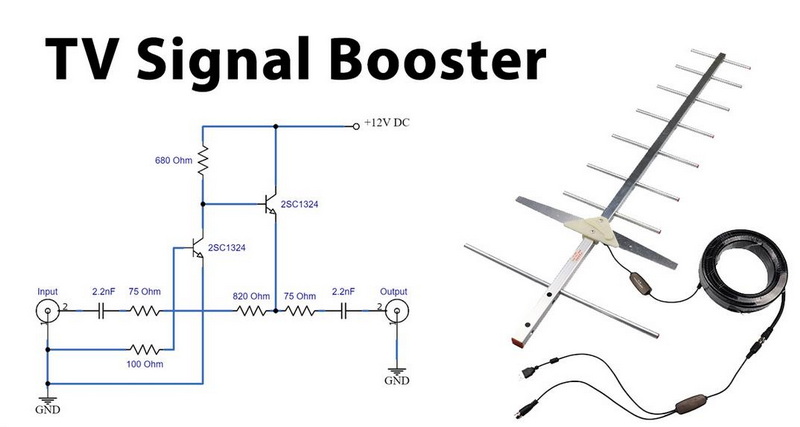
Credit: www.fibossensor.com
Conclusion
Tv antenna amplifiers can help improve signal strength sometimes. They work best when the signal is weak or far away. But they don’t fix all problems, like bad weather or poor antenna placement. Choosing the right amplifier matters a lot for good results.
Testing different setups helps find what works for you. Remember, a strong antenna and correct setup often matter more than just an amplifier. So, consider your needs carefully before buying one. This way, you get clearer channels and better TV watching.