
TV antennas usually work best when they match the broadcast signal’s polarization, which in most areas is horizontal. That’s why many outdoor and attic antennas are designed to be mounted flat, with the elements parallel to the ground. Vertical mounting can work in some locations, but it often reduces signal strength or increases dropouts unless your local towers broadcast vertically. If you’re unsure, start horizontal, then test vertical only if reception is weak.
Signal Polarization Basics
Signal polarization is a key factor in how well TV antennas catch signals. It refers to the direction of the electric field in the radio wave. Understanding polarization helps in placing your antenna correctly. This improves the quality and strength of the TV signal you receive.
Vertical Vs Horizontal Signals
Signals come in two main types: vertical and horizontal. Vertical signals have electric fields that move up and down. Horizontal signals have fields that move side to side. TV stations may use either type for broadcasting.
Choosing the right antenna position matches the signal polarization. A vertical antenna catches vertical signals best. A horizontal antenna works better for horizontal signals. Mismatched polarization weakens the signal and causes poor picture quality.
How Polarization Affects Reception
Polarization affects how well your antenna picks up a signal. If the antenna and signal polarizations match, the reception is strong. If they differ, signal loss happens. This can cause static or lost channels.
Some areas use mostly vertical signals, others horizontal. Knowing the local polarization helps in mounting your antenna correctly. It makes a big difference in your TV viewing experience.

Credit: www.amazon.com
Antenna Orientation And Signal Strength
How you mount your TV antenna affects the signal strength. Antennas can be placed vertically or horizontally. Each position matches different signal types. Choosing the right orientation helps get clearer pictures and sound.
Signals travel in waves, and these waves have a direction called polarization. Aligning your antenna with this direction improves signal reception. A mismatch can cause weak or fuzzy TV signals. Understanding this connection is key to better antenna setup.
Matching Antenna To Signal Polarization
TV signals use two main polarizations: vertical and horizontal. Vertical signals travel up and down. Horizontal signals move side to side. Your antenna must match the signal’s polarization for best results.
Check your local broadcast stations. Many use vertical polarization, but some use horizontal. Use an antenna that fits the type of signals near you. This simple step boosts signal strength and picture quality.
Impact On Signal Quality
Correct antenna orientation reduces interference and signal loss. A vertical antenna picks up vertical signals clearly. A horizontal antenna works better for horizontal signals. Wrong orientation causes weak and choppy images.
Adjusting antenna direction can fix poor reception. Small changes in angle often make a big difference. Test different positions to find the strongest signal. Clear TV depends on this careful tuning.
Types Of Tv Antennas
TV antennas come in different types. Each type works best in certain situations. Choosing the right antenna helps get a clear picture.
Understanding the common types helps decide if vertical or horizontal mounting is better.
Dipole Antennas
Dipole antennas are simple and common. They have two metal rods. These rods receive signals from TV towers.
Dipoles work best when mounted horizontally. This setup catches signals well from many directions. They are good for urban areas with many signals.
Yagi Antennas
Yagi antennas have several rods in a line. One rod is the main receiver. Others help focus the signal.
These antennas work better when mounted horizontally. They point directly at signal sources. Yagis are great for rural areas with weak signals.
Loop Antennas
Loop antennas are circular or square shaped. They catch signals differently than rods. Loops can reduce noise and interference.
Loop antennas often work well mounted vertically. This position picks up signals from certain directions better. They are useful in areas with signal reflections.
Environmental Factors
Environmental factors greatly impact how well a TV antenna works. The position of the antenna, whether vertical or horizontal, can affect signal quality. Understanding these factors helps in choosing the right mounting style.
Obstructions And Reflection
Objects like buildings, trees, and hills block TV signals. Signals may bounce off surfaces, causing reflection. This can weaken or distort the signal. Vertical antennas often handle reflections differently than horizontal ones. Finding a clear line of sight to the signal source improves reception.
Location And Distance From Towers
The distance between your home and broadcast towers affects signal strength. Closer locations usually get stronger signals. The antenna’s direction and polarization must match the broadcast signal. Vertical mounting may work better for some towers, horizontal for others. Checking local tower orientation guides antenna placement.
Testing And Adjusting Antenna Position
Testing and adjusting your TV antenna’s position helps improve signal quality. Small changes in angle or direction can make a big difference. This process takes patience and some simple tools. You check the signal strength, adjust the antenna, and check again. Step by step, you find the best position for clear TV reception.
Tools For Measuring Signal Strength
Use a TV with a built-in signal meter to see signal levels. Some TVs show signal strength in the settings menu. You can also use a handheld signal meter for more precise readings. These meters connect to the antenna and show real-time signal strength. A smartphone app may help, but it is less accurate. Having a tool makes it easier to find the best antenna position.
Steps To Optimize Orientation
Start by mounting the antenna in a safe, easy-to-reach spot. Point it vertically and check the signal strength. Note the reading. Then, turn the antenna 90 degrees to a horizontal position. Check the signal again. Compare the two readings. Slowly rotate the antenna in small steps. Watch the signal meter after each move. Stop when the signal reaches its highest point. Tighten the mount to keep the antenna steady. Test different heights if possible. Repeat the process to find the best angle and position.
Common Myths About Antenna Orientation
Many people believe there is one best way to mount a TV antenna. The truth is, antenna orientation depends on many factors. Signal type, location, and nearby obstacles all affect how well your antenna works. Understanding common myths about antenna orientation helps you make better choices.
Vertical Always Better?
Some say vertical mounting always improves reception. This idea comes from the fact that many TV signals use vertical polarization. But vertical is not always best. In some areas, signals may be horizontally polarized. Mounting vertical in these places can weaken the signal. Also, the antenna design matters. Some antennas work well both ways. Testing both positions can show which is better for your spot.
Horizontal Always Better?
Others claim horizontal mounting gives better signal strength. This belief is often linked to older analog signals. Many digital TV signals use vertical or mixed polarization. Horizontal mounting can help in some cases, but not all. If signals come from multiple directions, horizontal might not catch them well. The best way is to check signal type and try different angles. That way, you find the strongest reception for your home.
Practical Tips For Best Reception
Getting the best reception from your TV antenna can be tricky. Small changes in how you mount the antenna can make a big difference. This section shares simple tips to help you find the best way to position your antenna for clear TV signals.
Choosing The Right Mounting
Start by knowing the signal direction. Signals can be polarized either vertically or horizontally. Check local broadcast stations to find out their signal type. Match your antenna’s position to this polarization. A vertical mount works well for vertical signals. A horizontal mount suits horizontal signals better. Choose a sturdy spot free from metal or large objects. Avoid placing antennas near walls or inside metal cabinets. Outdoor mounting often gives stronger signals than indoor.
Trial And Error Approach
Try different antenna positions and orientations. Move the antenna slightly left or right. Tilt it forward or backward. Check the TV signal strength after each move. Note which position gives the clearest picture. It helps to test at different times of the day. Weather can affect signal quality too. Keep adjusting until you find the best spot. Patience pays off with better TV reception.
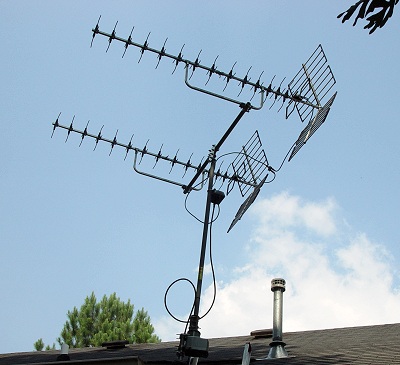
Credit: blog.solidsignal.com
Conclusion
Choosing the right antenna position affects your TV signal quality. Vertical mounting often works best for signals with vertical polarization. Horizontal mounting suits horizontally polarized signals better. Signal strength can also depend on your location and surroundings. Trying both positions can help find the clearest picture.
Small adjustments make a big difference in reception. Keep your antenna steady and away from obstacles. This way, you enjoy better TV viewing with less interference. Experiment and see what works best for your setup. Clear pictures start with the right antenna placement.