
An active TV antenna has a built-in amplifier to boost the signal, while a passive TV antenna has no amplifier and relies only on its design and placement. Active antennas can help when signals are weak, cables are long, or the signal is split to multiple TVs.
Passive antennas often work better in strong-signal areas because there’s no risk of amplifier overload or extra noise. In most cases, good placement matters more than whether the antenna is active or passive.
Types Of Tv Antennas
Choosing the right TV antenna can improve your viewing experience. There are two main types: active and passive antennas. Each type works differently to pick up TV signals.
Understanding these types helps you decide which antenna fits your needs. Let’s explore what makes an antenna active and the features of passive antennas.
What Makes An Antenna Active
Active antennas have a built-in amplifier. This amplifier boosts weak signals before sending them to the TV. It helps capture distant or weak broadcasts better. Active antennas need power from a battery or an outlet. They work well in areas with poor signal strength. The amplifier may improve picture quality and reduce noise.
Features Of Passive Antennas
Passive antennas do not have a built-in amplifier. They rely on the strength of the incoming signal alone. Passive antennas do not need power to work. They are simple and usually cheaper than active antennas. These antennas work best in areas with strong TV signals. Passive antennas are easy to install and maintain.
How Active Antennas Work
Active antennas are a popular choice for many TV viewers. They work differently from passive antennas. Active antennas have special parts that help improve signal quality. These parts make the antenna better at picking up TV signals. Understanding how they work helps you choose the right antenna for your needs.
Role Of Built-in Amplifiers
Active antennas have built-in amplifiers. These small devices boost weak TV signals. The amplifier strengthens signals before they reach your TV. This reduces signal loss during transmission. As a result, the picture and sound quality improve. Amplifiers are especially helpful in areas with weak signals.
Power Requirements
Active antennas need power to run the amplifier. They usually get power from the TV or a separate adapter. Without power, the amplifier cannot boost signals. This makes the antenna work like a passive one. Checking power options is important before buying an active antenna.
How Passive Antennas Work
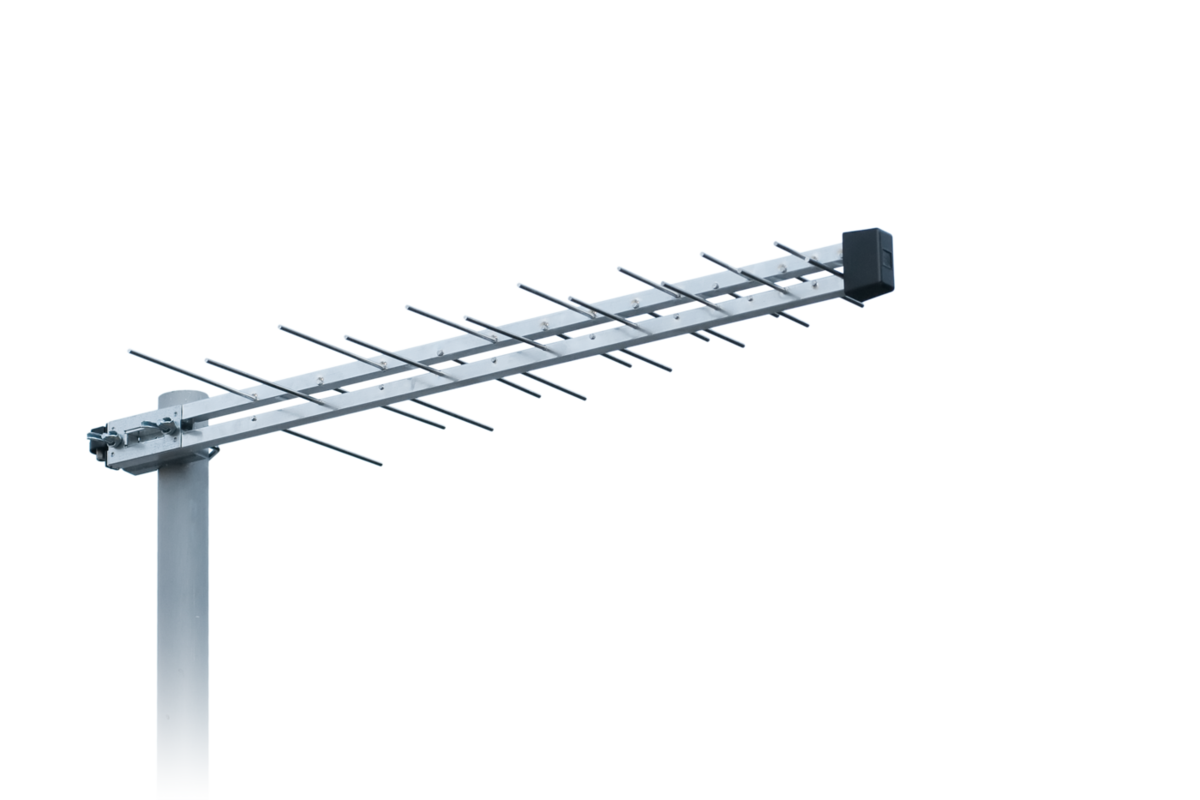
Passive TV antennas capture signals from the air without extra power. They rely on their design and location to get the best signal. These antennas do not have built-in amplifiers. They simply collect the broadcast signals and send them to your TV.
Understanding how passive antennas work helps you choose the right one for your needs. They are simple but effective for many TV viewers.
Signal Reception Basics
Passive antennas pick up radio waves sent by TV stations. These waves travel through the air and reach the antenna. The antenna’s metal parts catch these waves and turn them into electrical signals. These signals move through the cable to your TV.
The size and shape of the antenna affect how well it receives signals. Bigger antennas or those with multiple elements can catch more signals. Placement is also key. Higher and clear locations improve signal strength.
No Amplification Needed
Passive antennas do not use power to boost signals. They rely only on the natural strength of the broadcast signals. This means no electricity or batteries are needed.
Without amplification, the signal quality depends on distance and obstacles. If you live close to TV towers, a passive antenna works well. It provides clear pictures without extra equipment or cost.
Advantages Of Active Antennas
Active antennas offer several benefits over passive ones. They have built-in amplifiers that boost signal strength. This feature helps improve the quality of your TV reception. Active antennas work well in areas with weak signals. They also handle long cable runs better, reducing signal loss. These advantages make active antennas a popular choice for many TV users.
Improved Signal Strength
Active antennas include an amplifier that increases signal strength. This helps capture weaker signals from distant broadcast towers. The stronger signal leads to clearer pictures and better sound. It reduces the chances of signal dropouts and interference. This benefit is especially useful in areas with poor reception.
Better For Long Cable Runs
Long cables cause signal loss in passive antennas. Active antennas can compensate for this loss with their amplifiers. They maintain a strong signal even after traveling through long cables. This means you can place your TV far from the antenna. It provides more flexibility in setting up your home entertainment system.
Benefits Of Passive Antennas
Passive antennas offer many advantages for TV signal reception. They work without extra power and have fewer parts. This makes them reliable and easy to use. Many people prefer passive antennas because they keep things simple and efficient.
Choosing a passive antenna means less hassle. They often last longer since there are no electronic parts that can fail. They also cost less to maintain over time. These benefits make passive antennas a smart choice for many users.
Simple Setup
Passive antennas are easy to install. You just connect them to your TV or converter box. No complicated tools or skills are needed. This makes them perfect for anyone who wants quick, hassle-free setup.
They do not require adjusting or tuning. Just place the antenna in a good spot, and you are ready to watch. This simplicity saves time and frustration, especially for beginners.
No Power Source Needed
Passive antennas do not use electricity. They get all their power from the TV signal itself. This means no batteries or plugs are required.
This feature makes passive antennas very energy efficient. You can use them anywhere, even in places without power outlets. It also means no extra costs for electricity.
When To Choose Active Antennas
Active antennas have a built-in amplifier to boost weak signals. This feature makes them ideal in certain situations. Understanding when to pick an active antenna helps you get better TV reception. Consider these key points before buying one.
Weak Signal Areas
Active antennas work best in places with weak TV signals. The amplifier increases signal strength. This helps reduce pixelation and signal loss. Homes far from broadcast towers benefit the most. The antenna catches faint signals and makes them stronger. This means clearer picture and sound quality.
Multiple Device Connections
Active antennas support multiple devices better than passive ones. The amplifier maintains signal strength even when split. This is useful in homes with many TVs. All connected devices receive a strong, stable signal. No need to install several antennas in different rooms. One active antenna can serve the whole house well.
When To Opt For Passive Antennas
Choosing between active and passive TV antennas depends on your location and needs. Passive antennas work well in certain situations. They do not require power or extra equipment. This makes them simple and reliable for many users. Understanding when to pick a passive antenna helps you save money and get good signal quality.
Strong Signal Locations
Passive antennas perform best in areas with strong TV signals. Cities and towns near broadcast towers usually have clear signals. In these places, passive antennas pick up channels without extra help. No need for amplifiers or power sources. Simple design means less chance of failure. Also, passive antennas have a longer life because they have no electronic parts.
Budget-friendly Options
Passive antennas cost less than active ones. They do not need electricity or special cables. This reduces overall setup cost. Great choice for people on a tight budget. Easy to install and maintain, passive antennas save time and money. Ideal for those who want basic TV reception without extra features. A smart pick for simple TV watching needs.
Credit: www.iskra.eu
Installation Tips For Both Types
Installing a TV antenna correctly ensures the best signal and picture quality. Both active and passive antennas need careful placement and setup. Small changes can affect how well your antenna works. Follow these tips to get the best performance from either type.
Optimal Placement
Place the antenna as high as possible. Rooftops or near windows often work best. Avoid placing antennas inside metal enclosures or behind thick walls. Point the antenna toward the nearest broadcast tower. This improves signal strength and clarity. Active antennas may need a power source nearby. Passive antennas do not require power, so placement is more flexible.
Avoiding Interference
Keep the antenna away from electronic devices like routers and microwaves. These can cause signal noise and dropouts. Metal objects, such as pipes or foil, can block signals. Avoid placing the antenna near these materials. Try to install the antenna in open spaces without many obstacles. Test the signal strength and adjust placement as needed for the best reception.
Common Myths About Tv Antennas
TV antennas bring many questions and ideas, but not all are true. Myths about antennas can confuse buyers and users. Knowing the facts helps pick the right antenna type. Clear information saves money and time.
Some myths come from old technology or wrong advice. Others arise from misunderstanding how antennas work. Let’s explore common myths about active and passive TV antennas.
Amplifiers Always Improve Signal
Many believe amplifiers boost every signal. This is not always true. Amplifiers make weak signals stronger, but they also increase noise. If the signal is already strong, an amplifier can cause distortion. Amplifiers do not fix bad antenna placement or interference. Good antenna setup is more important than just adding an amplifier.
Active Antennas Are Better For Everyone
Active antennas have built-in amplifiers. Some think they are always better than passive antennas. This is wrong. Active antennas help in areas with weak signals. In places with strong signals, passive antennas often work fine. Active antennas need power, which can add complexity. Passive antennas are simpler and cheaper for many users.
Comparing Cost And Maintenance
Choosing between an active and a passive TV antenna means thinking about cost and upkeep. These factors affect your budget and the hassle over time. Understanding the differences helps you pick the best option for your needs.
Initial Investment
Passive antennas usually cost less to buy. They have no extra parts like amplifiers. Active antennas include a built-in amplifier, which raises the price. You pay more upfront for better signal strength. Installation can also cost more for active models. They might need a power source or special cables. Passive antennas are simpler and cheaper to set up.
Long-term Upkeep
Passive antennas need little maintenance. They have fewer parts that can break. Cleaning and checking the antenna is often enough. Active antennas may require more care. The amplifier and power supply can fail. Repairs or replacements add to the cost. Power outages can affect the signal from active antennas. Passive antennas work without electricity, making them more reliable over time.
:max_bytes(150000):strip_icc()/Passive-vs-Active-GPS-Antenna-1fb1ac38813446968912d5c3ef4dc697.jpg "Active vs Passive TV Antenna: Guide to Choose Right 2")
Credit: www.lifewire.com
Conclusion
Choosing between active and passive TV antennas depends on your needs. Active antennas have built-in amplifiers to boost weak signals. Passive antennas do not use power but work well with strong signals. Think about your location and signal strength before deciding.
Both types can deliver good TV reception. Simple setup and cost also matter. Test your environment if possible. Clear picture and sound are the main goals. Pick the antenna that fits your situation best.