
Yes, you can make a DIY digital TV antenna, and it can work surprisingly well for nearby local channels. Since over-the-air TV uses VHF and UHF signals, a simple build like a paperclip/coat-hanger antenna or a “bowtie” antenna can pick up free broadcasts if you’re within range of the towers. Results depend on your distance, placement, and interference, so mounting it higher and near a window usually improves reception.

Credit: www.wikihow.com
Choosing The Right Materials
Choosing the right materials is key to building a strong digital TV antenna. Materials affect signal quality, durability, and ease of assembly. Picking the best supplies makes the project smoother and the antenna work better.
Types Of Antenna Materials
Metal is the main material for antennas. Copper and aluminum work well because they conduct signals easily. Wire, rods, and metal mesh are common choices. Plastic or wood parts help hold the shape but do not carry signals. Avoid rusty or thin metals that break easily.
Tools You Will Need
You need simple tools to build the antenna. Wire cutters and pliers help shape metal parts. A screwdriver fits screws tightly. A measuring tape ensures the right size. Soldering tools join wires firmly. Safety gloves protect your hands during work.
Where To Source Materials
Hardware stores have most antenna materials. You can find wires, metal rods, and tools there. Electronic shops sell connectors and soldering equipment. Recycle old electronics for some parts. Online stores also offer a wide variety of supplies.
Credit: www.youtube.com
Designing Your Antenna
Designing your own digital TV antenna can be simple and rewarding. It lets you capture clear signals without buying expensive gear. Understanding the basics helps you create an antenna that works well. Focus on shape, size, and placement for the best results.
Start by learning about different antenna shapes. Then, find ways to improve signal strength. Finally, weigh the benefits of DIY versus pre-made antennas. This guide will help you make an informed choice.
Basic Antenna Shapes
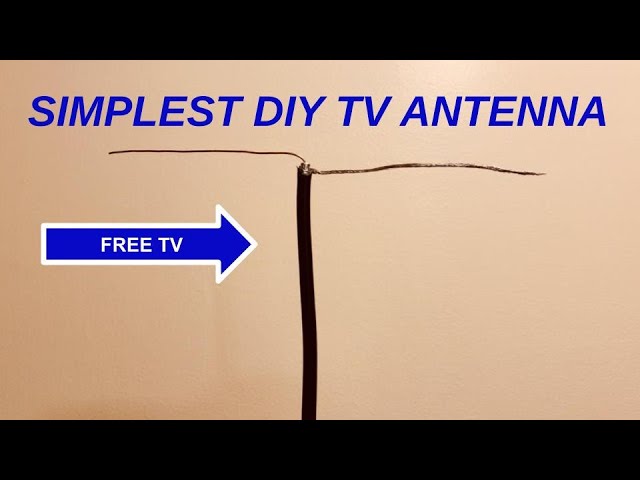
Antennas come in simple shapes like dipole, loop, and Yagi. Dipole antennas look like a straight wire with two arms. They are easy to build and work well for many channels. Loop antennas form a circle or square shape. They capture signals from all directions. Yagi antennas have multiple rods. They focus on signals from one direction, giving better range.
Optimizing For Signal Strength
Signal strength depends on antenna size, height, and location. Longer elements catch lower frequencies. Place your antenna as high as possible. Avoid obstacles like trees and buildings. Use a rotator or adjust direction for better reception. Shielding and grounding reduce noise. Test your antenna often to find the best spot.
Diy Vs Pre-made Designs
DIY antennas cost less and offer customization. You can adjust size and shape to fit your needs. Building your own improves learning and skills. Pre-made antennas save time and come ready to use. They include features like amplifiers and weatherproofing. Choose DIY for fun and control, or buy ready-made for ease and reliability.
Step-by-step Construction
Building your own digital TV antenna is easier than it seems. Follow these simple steps to create a reliable antenna that brings clear signals. This guide breaks down the process into clear parts for better understanding.
Building The Frame
Start by cutting the wooden or metal rods to size. These rods form the base and support of your antenna. Arrange them in a rectangular or cross shape. Use screws or strong glue to join the pieces firmly. Make sure the frame is sturdy and balanced to hold the elements well.
Connecting The Elements
Next, attach the metal rods or wires that catch signals. Space them evenly along the frame. Connect each element to the main support with solder or clamps. Check that all elements are straight and secure. Proper spacing improves signal strength and quality.
Securing The Components
Finally, fasten all parts tightly. Use zip ties or tape to keep wires in place. Add a protective cover or weatherproof coating if needed. Attach the coaxial cable to the antenna’s connector securely. Test the antenna to ensure all components work well together.
Installation Tips
Installing a DIY digital TV antenna correctly is key for clear reception. Small changes in placement or setup can improve your signal a lot. Follow these tips to get the best picture and sound.
Best Placement For Reception
Place the antenna near a window facing the broadcast towers. Higher spots, like attics or rooftops, often work better. Avoid placing it inside a cabinet or behind large metal objects. Test different locations to find where the signal is strongest.
Mounting Options
Use a sturdy mount to keep the antenna steady. Wall mounts, roof mounts, and tripod stands are common choices. Ensure the antenna points in the right direction and does not move in the wind. Secure cables to avoid damage or loose connections.
Avoiding Interference
Keep the antenna away from electronic devices like routers and microwaves. Metal objects and thick walls can block signals. Clear space around the antenna for better reception. Regularly check cables and connections for damage or wear.
Testing And Troubleshooting
Testing and troubleshooting are key steps after building your DIY digital TV antenna. They help ensure the antenna works well and gives clear signals. Simple tests can show if the setup is right. Troubleshooting fixes common problems that affect picture quality. This saves time and avoids frustration.
Checking Signal Quality
Start by checking the signal strength on your TV. Most TVs have a signal meter in the settings menu. Look for strong, stable signals. Try different channels to compare results. Weak signals cause poor picture or no picture at all. Adjust the antenna position to see if the signal improves. Small moves can make a big difference.
Common Issues And Fixes
Loose connections often cause signal loss. Check all cables and connectors. Tighten or replace any damaged parts. Interference from other electronics can reduce signal quality. Keep the antenna away from devices like routers or microwaves. Weather can also affect reception. Rain or wind may temporarily weaken signals. Try moving the antenna higher or near a window.
Improving Reception
Use a metal reflector behind the antenna to boost signals. Elevate the antenna as high as possible. Avoid placing it near thick walls or large metal objects. Try rotating the antenna slowly to find the best direction. Adding a signal amplifier can help if signals remain weak. Test changes one at a time for best results.
Upgrading Your Antenna
Upgrading your DIY digital TV antenna can improve your signal and picture quality. Small changes can make a big difference. Enhancing your antenna setup helps you receive more channels and better sound. Focus on a few key upgrades to get the best results.
Adding Amplifiers
An amplifier boosts weak signals from your antenna. It helps pick up channels that are far away. Place the amplifier close to the antenna for better results. Avoid placing it near other electronics to reduce noise. Amplifiers can improve signal strength without complex tools.
Using Reflectors
Reflectors focus the antenna signal toward the receiver. Use materials like aluminum foil or metal sheets. Attach them behind the antenna to catch more signals. Reflectors help reduce signal loss from the back and sides. This simple upgrade can increase your channel count.
Expanding Frequency Range
Different channels use different frequencies. Adjust your antenna to catch more bands for better coverage. Combine elements designed for VHF and UHF signals. This helps you receive more channels in one setup. A wider frequency range means more viewing options.

Credit: www.youtube.com
Conclusion
Building your own digital TV antenna saves money and offers great learning. It only takes simple tools and a bit of patience. You get clearer TV signals without monthly fees. Plus, you control where and how to place your antenna.
Try different designs to find what works best. Enjoy free access to many local channels easily. Start today and watch your favorite shows without extra costs. DIY antennas bring both fun and function to your home.