
You need a TV antenna amplifier only if your signal is weak or you’re losing signal through your setup. An amplifier helps when you live far from broadcast towers, use a long coax cable, or split the signal to multiple TVs. If your reception is already strong, an amp can actually make things worse by boosting noise and causing tuner overload.
The best move is to improve placement first, then add an amplifier only if channels still break up or drop out.
How Tv Antenna Amplifiers Work
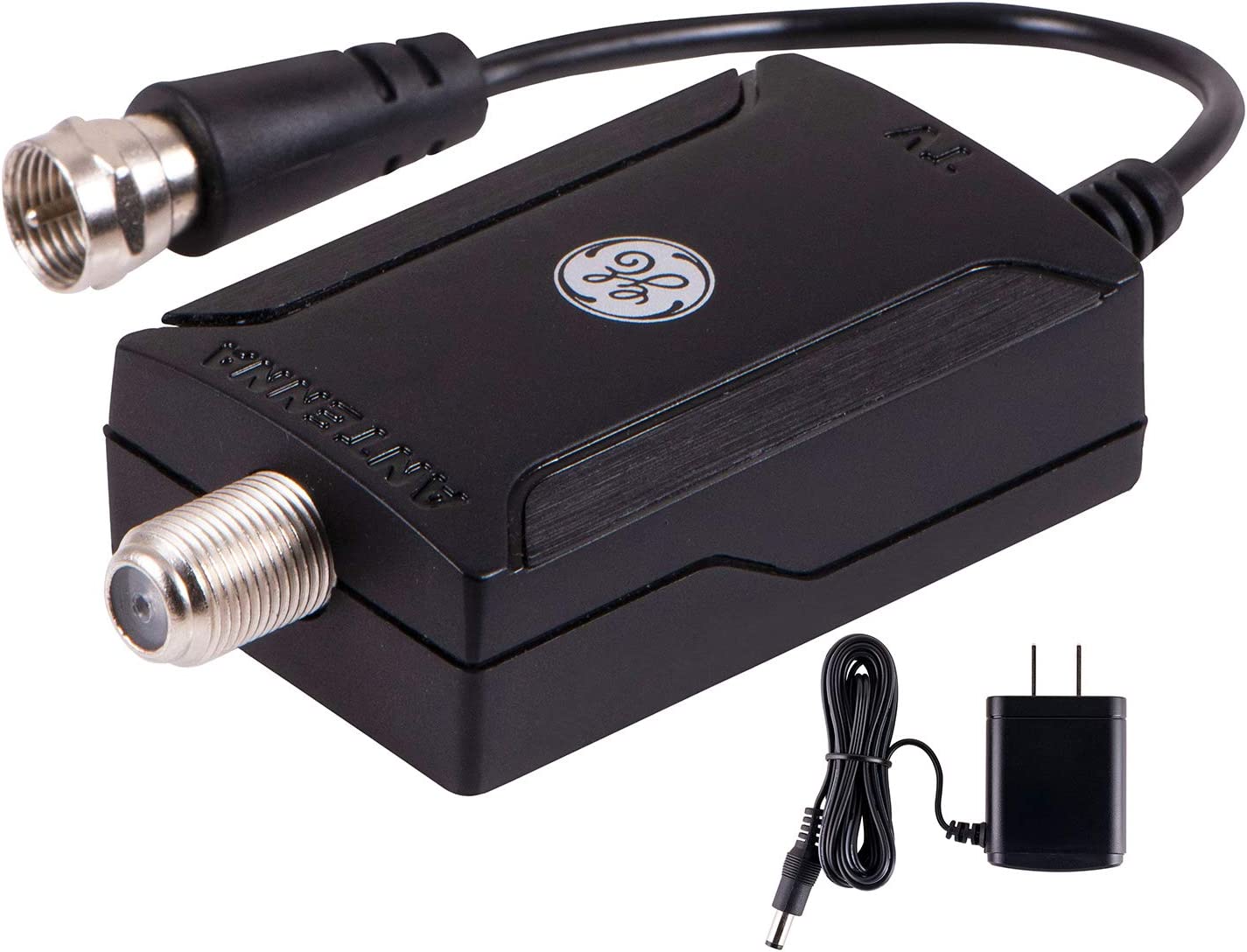
Understanding how TV antenna amplifiers work helps decide if you need one. These devices improve your TV signal quality. They make weak signals stronger. This leads to clearer pictures and better sound. The process is simple but effective. Let’s explore the basics of signal boosting and types of amplifiers.
Signal Boosting Basics
TV antenna amplifiers receive signals from broadcast towers. These signals travel through the air and can weaken. Walls, trees, and distance reduce signal strength. The amplifier catches these weak signals. It then increases their power before sending them to your TV. Stronger signals mean fewer interruptions and better reception. This is especially useful in areas far from broadcast towers.
Types Of Amplifiers
There are two main types of TV antenna amplifiers. The first is the preamplifier. It connects near the antenna and boosts the signal right away. This keeps the signal strong over long cable runs. The second is the distribution amplifier. It boosts signals sent to multiple TVs in one home. Both types work to improve signal clarity. Choosing the right type depends on your setup and needs.
When To Consider An Amplifier
Knowing when to add a TV antenna amplifier can improve your viewing experience. An amplifier boosts weak signals, helping you get clearer channels. It is not always necessary, but some situations call for one. Understanding these signs can save time and frustration.
Signs Of Weak Signal
Picture freezing images or missing channels. These are common signs of a weak signal. If your TV often loses picture or sound, the signal might be too low. An amplifier can help strengthen this weak signal and reduce interruptions.
Distance From Broadcast Towers
The farther your home is from broadcast towers, the weaker the signal. Signals lose power as they travel long distances. If you live many miles away, an amplifier can boost the signal strength. This helps bring more channels into clear view.
Obstructions And Interference
Buildings, trees, and hills can block TV signals. Even weather conditions like rain can cause interference. These obstacles weaken the signal before it reaches your antenna. Using an amplifier helps overcome these barriers and improves signal quality.
Pros And Cons Of Using Amplifiers
Using a TV antenna amplifier can help improve your signal, but it also has some downsides. Knowing the pros and cons helps you decide if an amplifier suits your needs. Below, we explore the main benefits and drawbacks of using these devices.
Improved Signal Strength
Amplifiers boost weak signals from your antenna. This helps you get more channels and clearer reception. They work well if you live far from broadcast towers. The stronger signal reduces picture breakups and audio dropouts. Amplifiers can extend your antenna’s range without buying a new one.
Potential Signal Distortion
Amplifiers do not always improve the signal cleanly. Sometimes, they increase noise along with the signal. This can cause static or fuzzy pictures. Over-amplifying weak signals can make the problem worse. Poor quality amplifiers add extra interference that lowers signal clarity.
Impact On Picture Quality
A good amplifier can make your TV picture sharper and stable. It reduces pixelation and freezing during shows. On the other hand, a bad amplifier might blur or distort images. Too much gain can cause ghosting or color issues. Choosing the right amplifier is key to better picture quality.
Credit: www.thefreetvproject.org
Choosing The Right Amplifier
Choosing the right TV antenna amplifier can improve your signal and picture quality. Not all amplifiers work the same. Picking one that fits your needs is key. Consider the antenna type, power options, and gain levels. These factors affect how well your amplifier performs. Understanding them helps you avoid weak signals or noise.
Compatibility With Antenna
Check if the amplifier matches your antenna type. Some amplifiers work only with indoor antennas. Others suit outdoor antennas better. Use an amplifier designed for your antenna’s frequency range. This ensures clear and strong signals. Mismatched equipment can cause poor reception or no signal at all.
Power Source Options
Amplifiers need power to boost signals. Some plug into wall outlets. Others draw power from the TV or coax cable. Choose a power source that fits your setup. Wall-powered amplifiers often provide stronger boosts. USB-powered ones are easy to install but may offer less power.
Gain Levels
Gain level means how much the amplifier increases signal strength. Low gain is good for nearby broadcast towers. High gain helps in distant or weak signal areas. Too much gain causes noise and interference. Match gain to your location for the best picture quality.
Installation Tips For Best Performance
Installing a TV antenna amplifier correctly boosts your signal and improves picture quality. Small changes during installation make a big difference. Follow these tips to get the best performance from your amplifier.
Optimal Placement
Place the amplifier close to the antenna. This reduces signal loss in the cable. Avoid placing it near metal objects or large electronics. These can block or weaken the signal. Mount the amplifier in a dry, sheltered spot to protect it from weather.
Avoiding Signal Overload
Too strong a signal can cause distortion. Use an amplifier with adjustable gain if possible. Test the signal strength after installation. Lower the gain if the picture looks fuzzy or pixelated. Keep cables short to prevent signal boost beyond what is needed.
Maintenance And Troubleshooting
Check connections regularly to ensure they are tight and clean. Replace damaged cables to maintain signal quality. If the picture drops, restart your TV and check the amplifier power. Clean the amplifier housing to avoid dust buildup. Regular checks keep your system running smoothly.

Credit: www.amazon.com
Alternatives To Amplifiers
Not everyone needs a TV antenna amplifier to improve signal quality. There are other options to consider that might work better. These alternatives can help boost your TV reception without extra gadgets.
Upgrading Antenna
Choosing a better antenna can make a big difference. A newer model often has better range and signal capture. Outdoor antennas usually pick up signals clearer than indoor ones. Positioning the antenna higher can also improve reception.
Using A Signal Booster
A signal booster is similar to an amplifier but works differently. It strengthens weak signals coming to the antenna. Boosters help especially in areas with many obstacles or long cable runs. They are easy to install and can improve picture quality.
Professional Signal Assessment
Experts can check your current setup for weak points. They use tools to measure signal strength and identify problems. A professional can suggest the best fix, whether it’s moving the antenna or changing equipment. This service saves time and prevents guesswork.

Credit: www.amazon.com
Conclusion
A TV antenna amplifier can help improve your signal strength. It works best when your antenna is far from the TV or uses a long cable. Not everyone needs one; it depends on your location and signal quality. Test your setup first before buying an amplifier.
Too much amplification can cause signal problems too. Choose the right amplifier to get clear and stable channels. Keep it simple and check if your picture and sound improve. This way, you enjoy better TV without extra hassle.