Can a TV Be Mounted on a Plaster Wall?
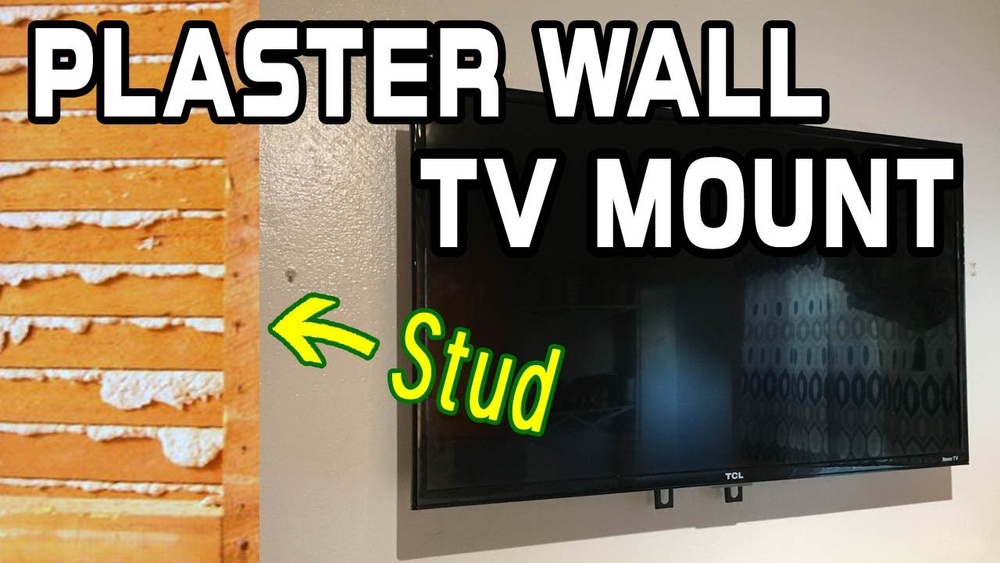
Yes, you can mount a TV on a plaster wall, but only if the mount is anchored into the studs or solid masonry behind the … Read more

Yes, you can mount a TV on a plaster wall, but only if the mount is anchored into the studs or solid masonry behind the … Read more
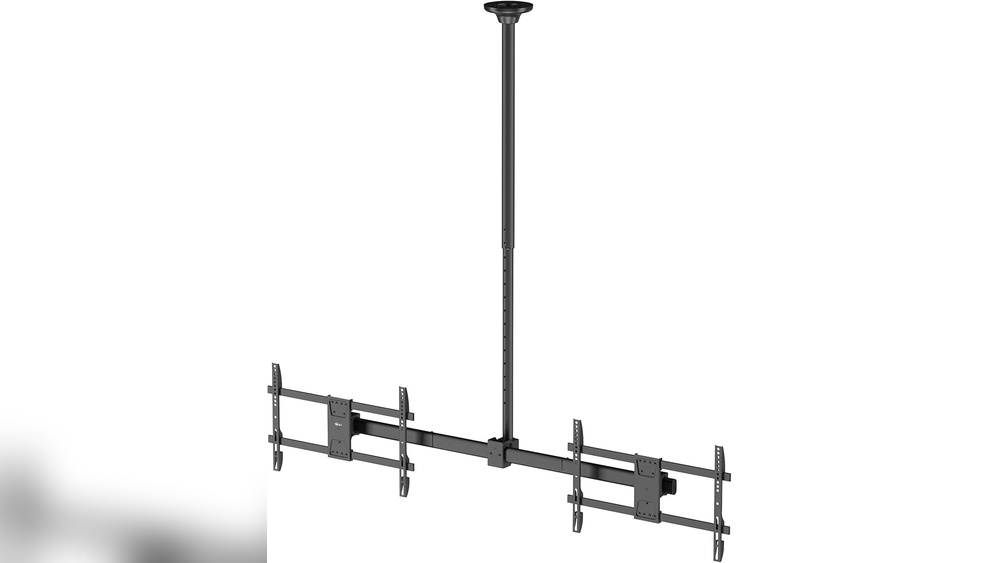
Mount a 60-inch TV so the center of the screen sits at your seated eye level, usually about 40–45 inches from the floor. In most … Read more
Yes, a 100-inch TV can be wall mounted, but it needs a heavy-duty mount that matches the TV’s VESA pattern and is rated far above … Read more
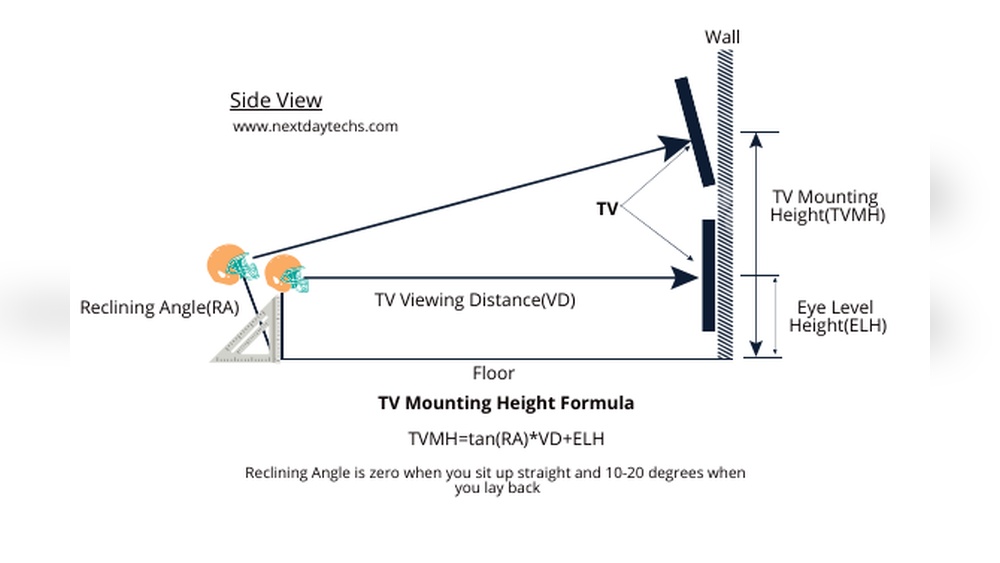
Mount your TV so the center of the screen is at your eye level when you’re seated, which is usually about 40–45 inches from the … Read more
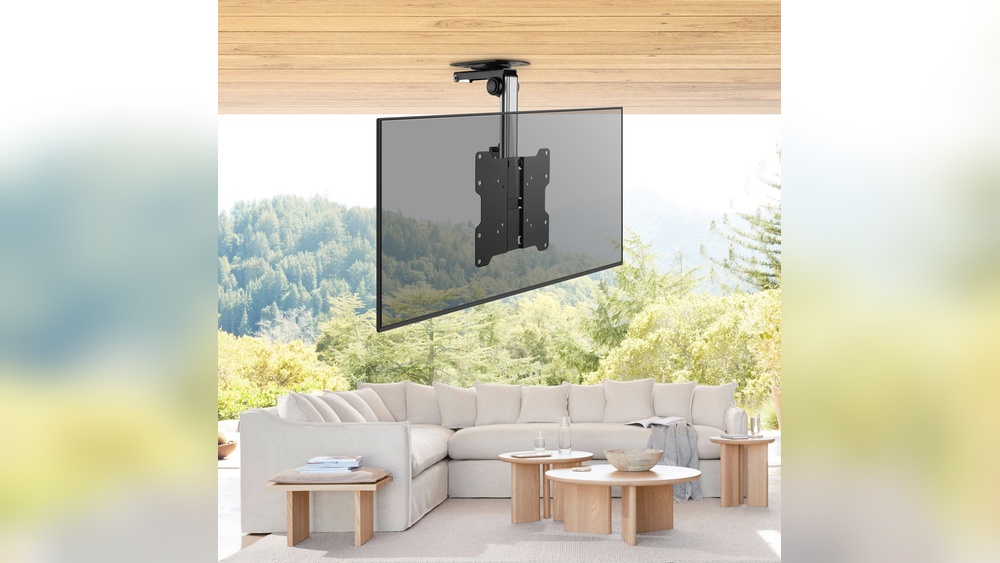
Yes, ceiling TV mounts are safe when they’re rated for your TV’s weight and installed into solid ceiling joists or concrete—not drywall alone. A proper … Read more
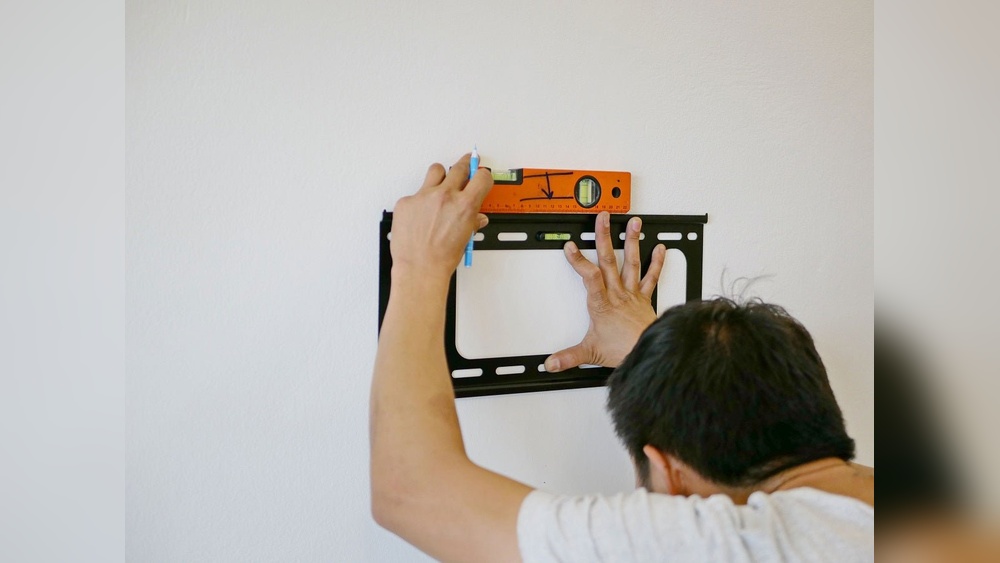
No-stud TV mounts can be safe for small, lightweight TVs when they’re installed exactly as directed and your wall is in good shape, but they’re … Read more
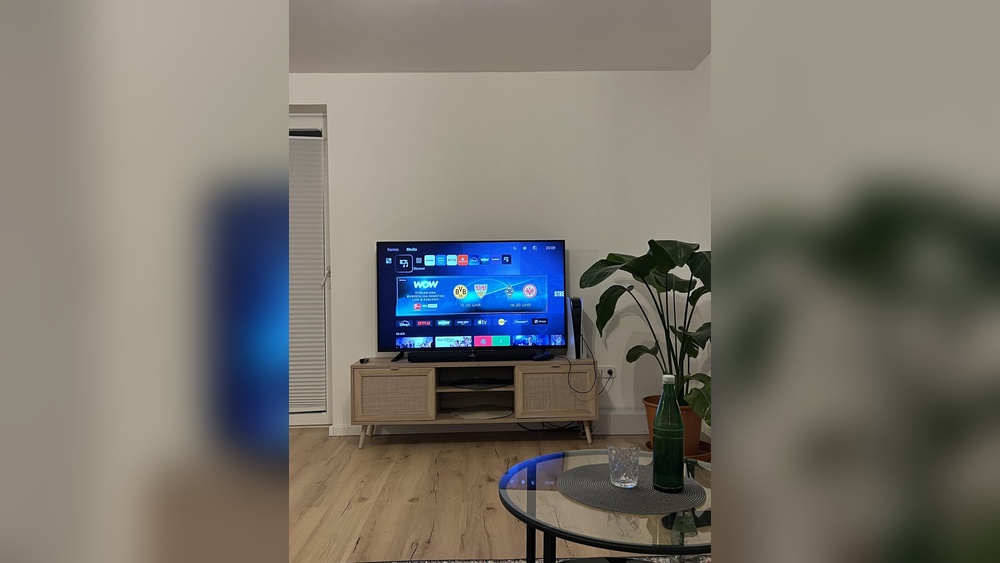
To mount a TV on the wall, pick a mount that matches your TV’s VESA pattern and weight, then bolt the wall plate into studs … Read more
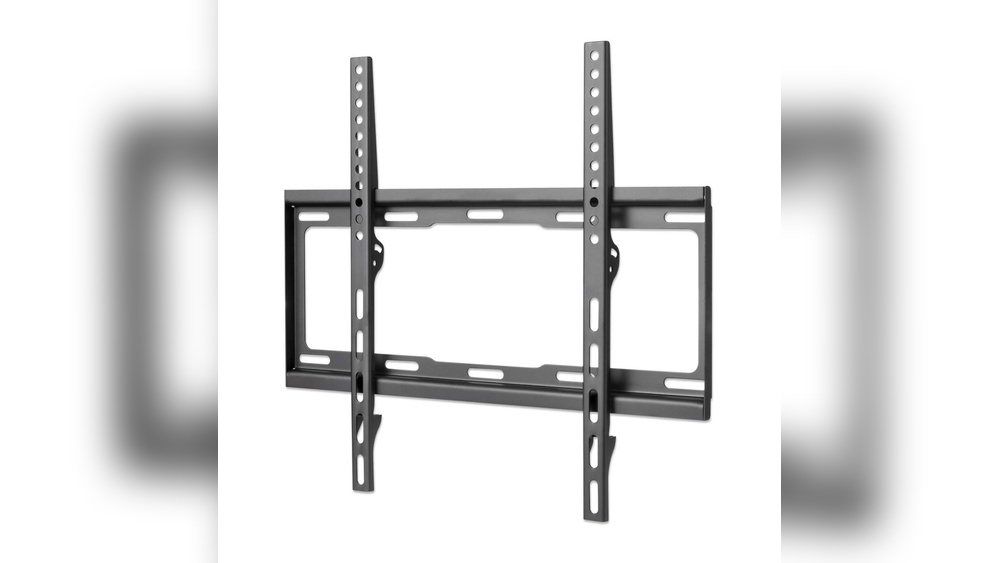
Most flat screen TV wall mounts are “universal,” meaning they fit any TV with a matching VESA hole pattern and a weight within the mount’s … Read more
Thinking about mounting your TV on a plasterboard wall but unsure if it’s safe or even possible? You’re not alone. Plasterboard walls can feel tricky—they’re … Read more
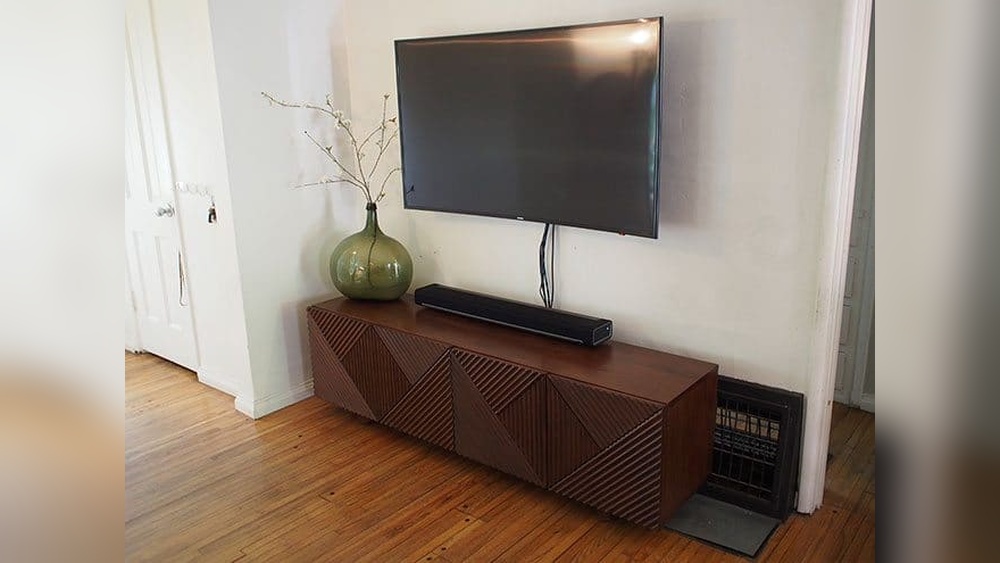
Curved TV wall mounts usually aren’t special or “curved” themselves—most curved TVs use the same VESA screw pattern as flat TVs, so a regular mount … Read more
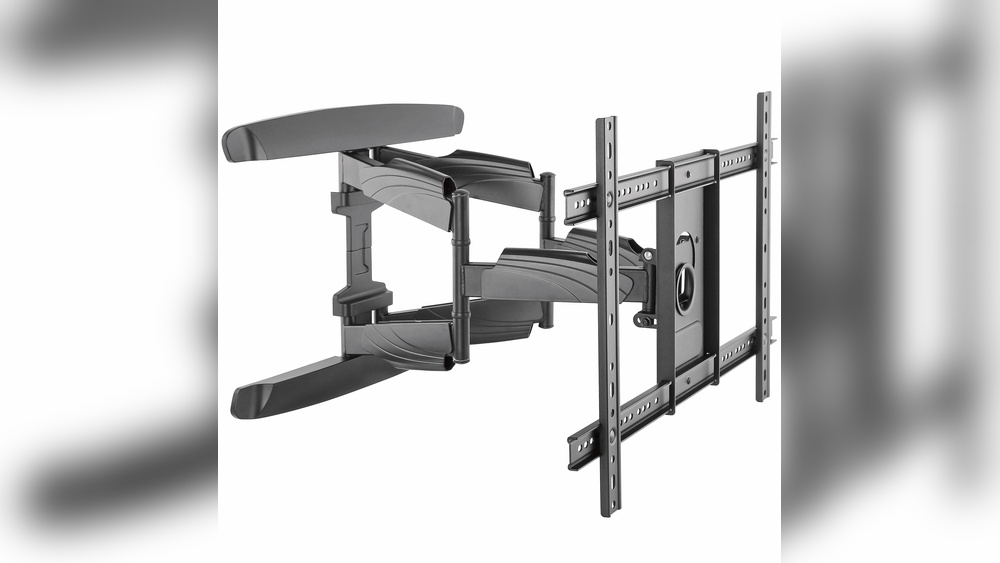
Full motion TV mounts work like a hinged arm: a wall plate bolts into studs, an extendable arm swings out, and a TV plate attaches … Read more
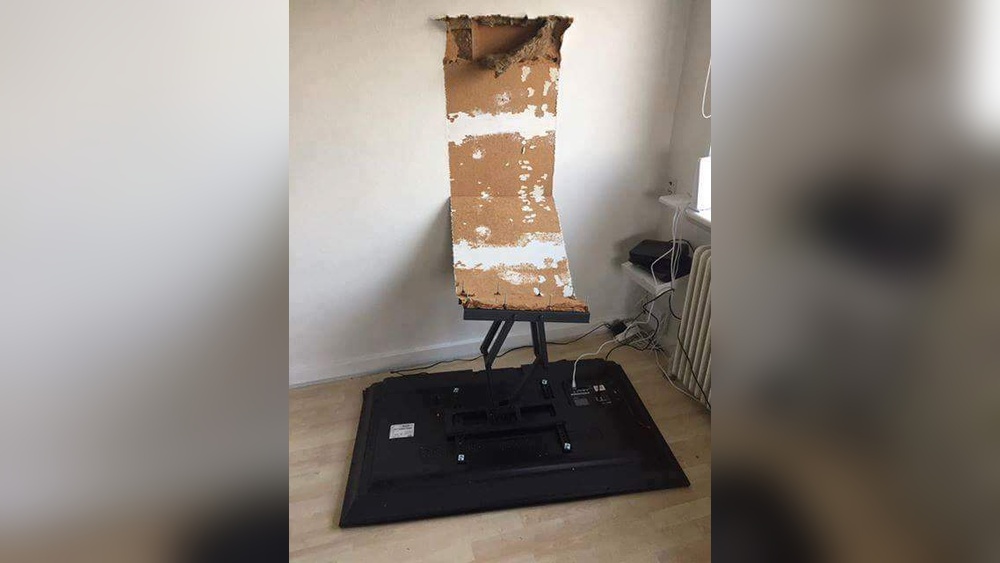
Yes, a wall mounted TV can fall, but it usually happens because of installation or hardware problems, not the mount itself. Common causes include missing … Read more