
Yes, ceiling TV mounts are safe when they’re rated for your TV’s weight and installed into solid ceiling joists or concrete—not drywall alone. A proper mount uses heavy-duty bolts, stays stable when tilted or rotated, and won’t wobble when the TV moves.
For the safest setup, choose a trusted brand, follow the bolt size and spacing in the manual, and leave enough clearance so the TV can swing without hitting walls or lights. If you’re unsure about joist placement or ceiling strength, a professional install is worth it.

Ceiling Mount Basics
Mounting a TV on the ceiling can save space and create a modern look. It requires the right tools and understanding of the mount types and installation methods. Knowing the basics helps ensure safety and stability. Proper installation avoids accidents and damage to the TV or room.
Ceiling mounts come in different designs. Each has its own use depending on the TV size and room setup. Choosing the correct mount and installation method is important for a secure fit.
Types Of Ceiling Mounts
Fixed ceiling mounts hold the TV in one position. They are simple and strong but do not allow movement. Tilting ceiling mounts let you adjust the screen angle up or down. This improves viewing comfort from different spots in the room. Full-motion mounts allow tilting and swiveling. They offer the most flexibility but need a strong ceiling and careful installation. Some mounts include an extension pole to lower the TV for easier access.
Common Installation Methods
Ceiling mounts attach to joists or beams inside the ceiling. These provide the best support and prevent damage. Use a stud finder to locate these joists before drilling. Mounting directly to drywall is unsafe and not recommended. If joists are not accessible, professionals may use special anchors or reinforcement.
Installation starts with securing the mount bracket to the ceiling. Then, connect the TV to the mount following the manufacturer’s instructions. Check that all screws and bolts are tight. Test the mount’s stability by gently moving the TV after installation. Proper tools and careful work reduce risks and keep the TV safe.
Weight Limits And Support
Weight limits and proper support are key factors in mounting a TV to the ceiling safely. The mounting system must hold the TV’s weight without risk of falling. Understanding the capacity of your wall materials helps prevent accidents. Using the right anchors and reinforcements adds strength to the setup. Below are critical points to consider for secure ceiling TV mounting.
Drywall Capacity
Drywall alone cannot hold heavy TV mounts. It is weak and may crumble under too much weight. Heavy-duty drywall anchors like toggle bolts can support moderate weights. Fixed or tilting mounts work best on drywall. Full-motion mounts create leverage and increase the risk of pull-out. Always ensure the drywall is in perfect condition before mounting.
Stud Support Importance
Studs provide strong, reliable support for ceiling mounts. Mounting directly into wooden or metal studs can hold much heavier TVs. Use a stud finder to locate studs behind drywall. Secure the mounting bracket into at least two studs for balance. This method drastically reduces the chance of the TV falling.
Using Reinforcement Plates
Reinforcement plates spread the TV’s weight across a larger area. They add extra support between the mount and the ceiling surface. These plates are helpful when studs are not ideally placed. Reinforcement can also protect drywall from damage. Always choose plates rated for your TV’s weight and size.
Safety Concerns
Ceiling TV mounts offer a unique way to save space and improve viewing angles. Yet, safety concerns must be a priority before installation. Understanding these concerns helps prevent accidents and damage. The risks mainly come from incorrect mounting and poor-quality materials.
Proper installation is crucial to ensure the TV stays secure. Without it, the mount could fail, causing serious consequences. Let’s explore the common safety issues linked to ceiling TV mounts.
Risks Of Improper Installation
Incorrect installation is the main cause of ceiling TV mount failures. If the mount is not fixed to a strong support beam, it can come loose. Using the wrong screws or anchors reduces the mount’s strength. Uneven mounting may cause the TV to tilt or fall unexpectedly. Lack of proper tools and experience increases these risks. Always follow the manufacturer’s instructions carefully.
Potential Injuries
A falling TV can cause serious injuries. Heavy screens can hurt people standing or walking underneath. Head injuries, cuts, or bruises are common in such accidents. Children and pets are especially vulnerable. Secure mounting reduces the chance of these injuries. Regular checks of the mount’s stability add extra safety.
Damage To Walls And Equipment
Poor installation can also damage walls and the TV itself. If the mount pulls away, it can create holes or cracks in drywall or ceilings. Water damage or weak materials worsen this problem. The TV may suffer screen cracks or internal damage from falls. Using the right mount for wall type prevents such damage. Professional help can protect both your walls and your equipment.
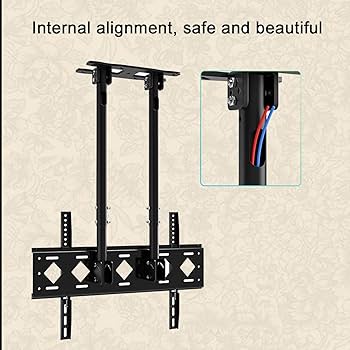
Credit: www.amazon.com
Choosing The Right Mount
Choosing the right ceiling TV mount is essential for safety and performance. The mount must hold the TV securely. It should support the TV’s size and weight well. Selecting the proper type and anchors reduces risks. This section explains key points to consider.
Fixed Vs. Full-motion Mounts
Fixed mounts keep the TV in one position. They are simple and very stable. Full-motion mounts allow tilting and swiveling. They offer flexible viewing angles but add stress on anchors. Choose fixed mounts for heavier TVs or weaker ceilings. Use full-motion mounts only if the ceiling and anchors are strong.
Heavy-duty Anchors
Anchors must support the mount and TV weight. Use heavy-duty anchors like toggle bolts or molly bolts. Drywall alone cannot hold heavy TVs safely. Find ceiling joists or beams for strong support. Secure anchors directly into these structures. Proper anchors prevent the TV from falling.
Compatibility With Tv Size And Weight
Check the mount’s weight limit before buying. Match it with your TV’s weight. Also, consider the TV’s size for fit and balance. Larger TVs need stronger mounts and anchors. Follow the manufacturer’s guidelines carefully. This ensures the mount holds the TV safely and steadily.
Installation Tips
Installing a ceiling TV mount requires care and precision for safety. Proper installation ensures the TV stays secure and avoids accidents. Follow these tips to mount your TV safely on the ceiling.
Locating Ceiling Joists
Find the ceiling joists before drilling or mounting. Joists are strong wooden beams that support the ceiling. Use a stud finder to locate them accurately. Mark the joist positions clearly. Mounting directly into joists provides the best support for your TV.
Using Toggle Bolts And Molly Bolts
Toggle bolts and molly bolts help secure mounts when joists are not available. Toggle bolts expand behind the drywall, offering strong support. Molly bolts create a firm grip inside the drywall. Use heavy-duty versions suitable for your TV’s weight. Always check the weight capacity of the bolts before use.
Tools Needed For Secure Mounting
Gather the right tools to ensure a secure ceiling mount. You will need a stud finder, drill, screwdriver, level, measuring tape, and pencil. A socket wrench may help tighten bolts firmly. Having these tools ready makes the process easier and safer.

Credit: www.amazon.com
Professional Installation Benefits
Professional installation offers clear benefits for ceiling TV mounts. Experts ensure your TV is mounted securely and safely. This reduces risks of accidents and damage. A professional knows how to handle different ceiling types and TV weights. Their skills provide peace of mind and a clean look.
When To Hire Experts
Hire experts if you are unsure about mounting the TV. Complex ceilings or heavy TVs need special care. If you lack tools or experience, a professional is best. They can avoid common mistakes that cause falls. Experts save time and prevent costly errors.
Ensuring Proper Safety Standards
Professionals follow safety rules and building codes strictly. They use the right anchors and mounts for your ceiling type. Proper installation prevents the TV from falling unexpectedly. Experts check the ceiling structure before mounting. Their work meets safety standards to protect your home and family.
Maintenance And Checks
Maintaining a ceiling TV mount is key to its safety and longevity. Regular checks help spot problems early. Simple upkeep keeps your TV secure and prevents accidents.
Regular Stability Inspections
Check the mount’s stability often. Gently shake the TV to see if it moves. Any wobbling or loose parts need immediate attention. Look for signs of rust or damage on screws and brackets. Tighten all fasteners regularly to keep the mount firm. A stable mount ensures your TV stays safely in place.
Addressing Wear And Tear
Wear and tear can weaken the mount over time. Inspect cables for fraying and replace them if needed. Check the mounting plate for cracks or bending. If you spot any damage, replace the part right away. Lubricate moving parts to reduce friction and wear. Timely repairs extend the mount’s life and keep your TV safe.
Conclusion
Ceiling TV mounts can be safe when installed correctly and securely. Always use the right mount for your TV’s weight and ceiling type. Mounting directly into studs offers the strongest support. Drywall requires heavy-duty anchors and must be in good condition.
Poor installation or weak materials increase safety risks. If unsure, ask a professional to install your ceiling mount. Safety matters most to protect your home and family. A well-mounted ceiling TV provides great viewing and peace of mind.