
Thinking about mounting your TV on a plasterboard wall but unsure if it’s safe or even possible? You’re not alone.
Plasterboard walls can feel tricky—they’re thinner and less sturdy than solid walls, which makes many people wonder if their TV will hold up or come crashing down. But here’s the good news: with the right tools and techniques, you can securely mount your TV without worrying about damage or accidents.
You’ll discover exactly how to mount your TV on plasterboard safely, what materials you need, and key tips to make sure your setup stays strong and stable. Keep reading, and you’ll gain the confidence to transform your space with a perfectly mounted TV—no guesswork, no stress.
Mounting Challenges On Plasterboard
Mounting a TV on a plasterboard wall comes with unique challenges. Plasterboard, also called drywall, is not as strong as solid walls. It requires careful planning to hold the weight of a TV safely. Understanding these challenges helps avoid damage and accidents.
Weight Limits Of Plasterboard
Plasterboard walls can only support limited weight. Most plasterboards hold about 20 to 30 pounds per anchor point. TVs often weigh more than this limit. Mounting a heavy TV without proper support can cause the wall to crack or the TV to fall. Using the right anchors and finding studs behind the plasterboard increases weight capacity.
Risks Of Improper Installation
Incorrect mounting can lead to serious risks. The TV may fall, damaging the wall and the device. Loose anchors can create holes and weaken the plasterboard further. Poor installation also risks personal injury if the TV drops suddenly. Hiring a professional or using specialized mounting kits reduces these dangers and ensures a secure fit.

Credit: www.youtube.com
Studs And Their Importance
Studs are vertical wooden or metal beams behind plasterboard walls. They form the main structure that holds the wall strong. Mounting a TV on plasterboard alone is risky. The plasterboard is thin and cannot support heavy weight. Attaching the TV mount directly to studs ensures it stays secure. Understanding studs helps avoid wall damage and keeps your TV safe.
Finding and using studs is key for a safe and lasting TV installation. Studs carry the weight and prevent the wall from collapsing. Using the right tools and methods to locate studs makes mounting easier and safer. This section explains how to find studs and why they matter.
Locating Studs Behind Plasterboard
Studs are usually spaced 16 or 24 inches apart. Use a stud finder device to locate them quickly. Move the finder slowly across the wall until it signals a stud. You can also tap the wall and listen for a solid sound. Another way is to look for nails or screws in the plasterboard. These marks often show where studs are.
Mark the stud edges with a pencil before drilling. Check the stud width by measuring between the edges. This helps place the TV mount screws properly. Taking time to locate studs saves time and prevents mistakes.
Why Studs Provide Better Support
Studs offer a strong base for mounting heavy items like TVs. The plasterboard alone cannot hold much weight. Mounting on studs spreads the load across the frame of the wall. This reduces stress and prevents damage.
Screws driven into studs grip firmly and do not pull out easily. This keeps the TV stable and safe from falling. Stud support also protects the plasterboard from cracking or breaking. Using studs gives peace of mind that your TV is securely mounted.
Mounting Without Studs
Mounting a TV on plasterboard walls without studs requires careful choice of anchors. Regular drywall anchors cannot support the weight of a TV safely. Special hardware and methods create a strong hold in hollow walls. This section covers three reliable options to mount without studs.
Heavy-duty Toggle Bolts
Heavy-duty toggle bolts expand behind the plasterboard, creating a strong grip. First, drill a pilot hole to fit the folded toggle. Insert the toggle bolt and push it through the hole until it springs open behind the wall. Tighten the bolt carefully, pulling the toggle flush against the back of the plasterboard. This method spreads the load over a wide area, holding significant weight safely.
Molly Bolts And Their Use
Molly bolts are metal anchors that expand inside the wall cavity. Drill a hole slightly smaller than the molly bolt diameter. Insert the bolt and tighten the screw, causing the anchor to flare out behind the plasterboard. This expansion locks the bolt securely in place. Molly bolts work well for medium-weight TVs and provide a stable base for mounting brackets.
Specialized No-stud Mounts
No-stud mounts are designed to spread the TV’s weight across a larger wall surface. They use multiple anchors combined with wide brackets. These mounts reduce stress on any single point of the plasterboard. Some models include built-in heavy-duty anchors or support bars. They offer a safer alternative for mounting heavier TVs where studs are not available.
Alternative Mounting Techniques
Mounting a TV on plasterboard walls requires care to avoid damage or accidents. Alternative mounting techniques help spread the TV’s weight safely. These methods increase support and reduce pressure on weak spots. They provide secure options beyond simple drywall anchors. Below are two effective techniques that offer stability and peace of mind.
Using Plywood For Added Support
Plywood adds a strong backing behind the plasterboard. It spreads the weight over a wider area of the wall. First, fix a plywood sheet to the studs inside the wall. Then attach the TV mount to the plywood. This method reduces stress on plasterboard and prevents cracking.
Plywood thickness should be at least 12mm for best results. Use wood screws to secure the plywood firmly. Ensure the plywood covers several studs for maximum strength. This technique works well for large or heavy TVs.
Anchor Plates Spanning Multiple Studs
Anchor plates are metal or wooden plates that connect several studs. They distribute the load across multiple points inside the wall. Fix the plate horizontally across two or more studs behind the plasterboard. Attach the TV mount directly to this plate.
This method lowers the risk of wall damage and increases holding power. Anchor plates are ideal if studs are spaced far apart. Use long screws to secure the plate to each stud tightly. This creates a strong base for your TV.
Safety Tips For Secure Mounting
Mounting a TV on a plasterboard wall requires careful attention to safety. Improper mounting can lead to accidents and damage. Following key safety tips ensures a secure and stable installation. Use the right tools and materials designed for plasterboard. Always respect weight limits and anchor types. These steps help protect your TV, wall, and everyone around.
Checking Weight Ratings
Always check the weight rating of your TV mount. The mount must support more weight than your TV. Look for clear labels on the mount packaging. Exceeding weight limits risks the mount pulling out of the wall. Confirm the plasterboard can hold the combined weight. Use mounts rated for plasterboard or hollow walls specifically.
Avoiding Full-motion Mounts
Full-motion mounts put extra strain on plasterboard walls. They allow the TV to swing and extend away from the wall. This movement increases the risk of failure or damage. Use fixed or tilting mounts instead. These apply less stress and keep the TV closer to the wall. This choice improves safety and long-term stability.
Using Multiple Anchors
Spread the TV’s weight using multiple anchors. Use at least two or more anchors for better load distribution. This reduces pressure on any single point. Place anchors into wall studs if possible. If not, use heavy-duty anchors designed for plasterboard. Multiple anchors improve the hold and reduce the chance of wall damage.
Avoiding Standard Drywall Anchors
Standard drywall anchors cannot support heavy TV mounts. They often fail under the TV’s weight. Avoid plastic expansion anchors or small self-drilling anchors. Use heavy-duty toggle bolts or molly bolts instead. These anchors expand behind the plasterboard for a stronger grip. Proper anchors prevent the TV from falling and protect your wall.
Tools And Materials Needed
Mounting a TV on a plasterboard wall requires the right tools and materials. Using proper equipment ensures the TV stays secure and the wall remains undamaged. This section covers the essential items needed for a safe and effective installation.
Drills And Pilot Holes
A drill is necessary to make holes in the plasterboard. Start by drilling small pilot holes to guide screws and prevent cracking. The pilot holes also help you place anchors or bolts accurately. Choose a drill bit size that matches the anchors you will use.
Washers And Screws
Washers spread the pressure of screws over a larger area. This prevents the plasterboard from breaking or crumbling under the weight of the TV. Use screws that are long enough to reach the wall studs or anchors behind the plasterboard. Make sure the screws are strong and suitable for mounting heavy objects.
Mounting Brackets
Select mounting brackets designed for plasterboard walls. These brackets often include extra supports or use special anchors. The bracket must support the TV’s weight safely. Check the bracket’s weight rating before buying. Some brackets also allow tilting or swiveling for better viewing angles.
When To Hire A Professional
Mounting a TV on a plasterboard wall can be tricky. Knowing when to hire a professional helps avoid damage and safety risks. Some situations clearly need expert skills to ensure a safe installation. A professional can assess the wall and choose the right mounting method. This section explains when expert help is necessary and the benefits of professional installation.
Signs You Need Expert Help
Heavy TVs need strong support. Plasterboard alone may not hold the weight. If you cannot find studs or the wall uses dot-and-dab plaster, call a pro. Walls with hidden wiring or pipes also require expert care. A shaky or cracked wall is a warning sign. If you lack tools or experience, hiring a professional is safer. Incorrect installation risks the TV falling and wall damage.
Benefits Of Professional Installation
Professionals use proper tools and techniques. They know how to find studs or use the right anchors. A secure mount means no worries about falls or damage. Professionals work faster, saving time and effort. They can hide cables neatly for a clean look. Insurance may cover damage during professional installation. Overall, experts provide peace of mind and a quality result.
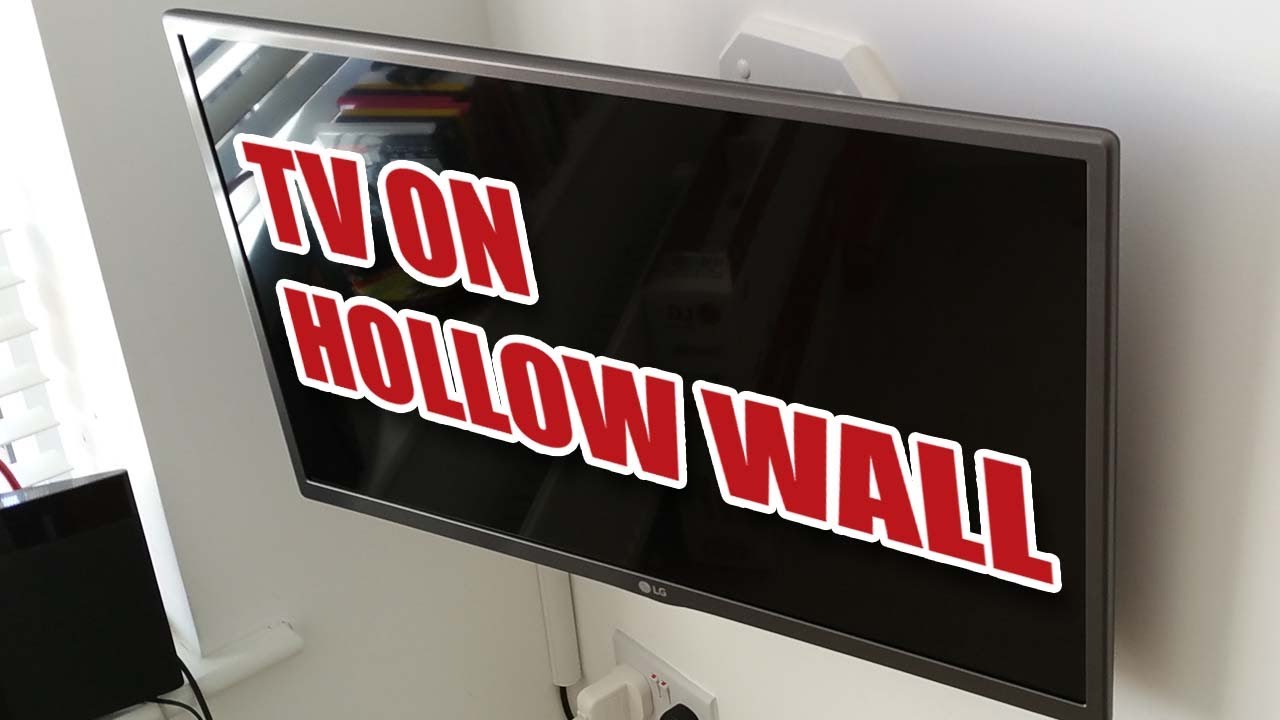
Credit: www.youtube.com

Credit: www.reddit.com
Conclusion
Mounting a TV on a plasterboard wall is possible with the right tools. Choose strong anchors like heavy-duty toggle bolts for safety. Always check the TV’s weight before selecting mounts. Spread the load using plywood or special mounting plates if needed.
Take your time drilling and securing the mount carefully. This approach keeps your TV stable and protects the wall. With proper preparation, your plasterboard wall can hold your TV securely.