
Yes, a TV can be mounted over a fireplace, but it’s only a good idea if heat and viewing height are handled correctly. The TV should sit above the fireplace opening with enough clearance, and the wall must stay within the TV’s allowed temperature range.
Use a mantel or heat shield if needed, and consider a pull-down mount to reduce neck strain. Always mount into studs or masonry, and keep cables away from heat.
Heat Risks And Protection
Mounting a TV over a fireplace exposes it to heat, which can harm its performance and lifespan. Understanding heat risks and ways to protect your TV is vital. Different fireplaces produce varying heat levels, requiring specific precautions. Heat protection helps keep your TV safe and functioning well.
Heat Impact On Electronics
Heat can damage a TV’s internal parts. Prolonged exposure to high temperatures may cause screen discoloration and reduce lifespan. Electronic components like circuits and chips are sensitive to heat. Overheating may lead to malfunction or permanent failure. Keeping the TV cool is essential to avoid costly repairs or replacements.
Gas Vs Wood-burning Fireplaces
Wood-burning fireplaces generate more heat and smoke than gas ones. Smoke can leave residue on the TV screen and inside the device. Gas fireplaces produce cleaner heat with less smoke. They usually have lower temperatures near the mantel. Choosing a gas fireplace reduces heat risk but does not eliminate it. Always check your TV and fireplace manuals for safety guidelines.
Using Heat Shields And Mantels
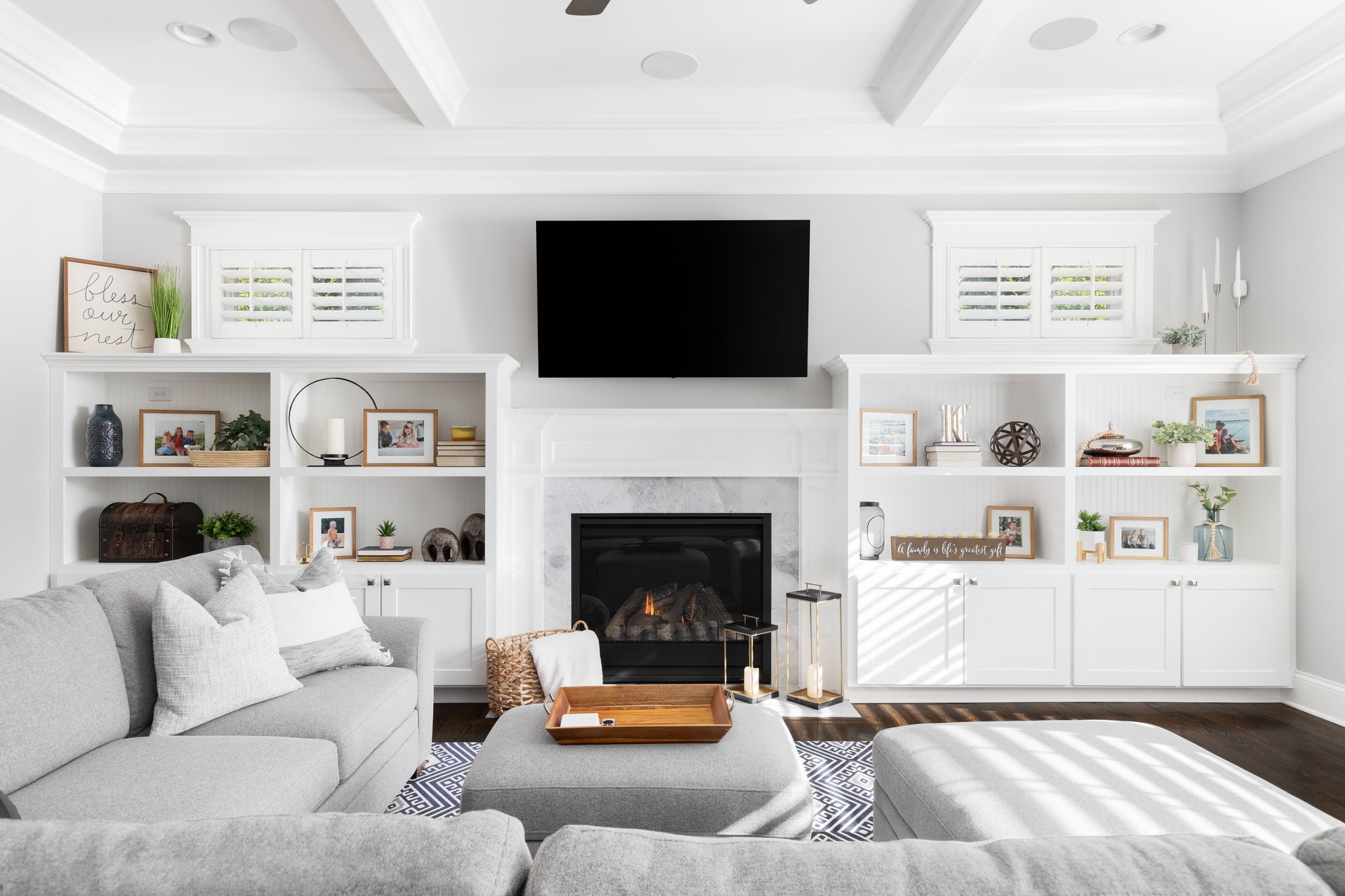
Heat shields protect your TV by blocking or redirecting heat away. They create a barrier between the fireplace and the TV. Mantels act as physical shields and help disperse heat. A large mantel can reduce heat rising directly to the TV. Installing both a heat shield and a mantel offers better protection. These methods lower the chance of heat damage and improve safety.
Credit: www.mantelmount.com
Viewing Angle Challenges
Mounting a TV over a fireplace often creates viewing angle challenges. The TV sits higher than usual, forcing viewers to tilt their heads upward. This angle can cause discomfort during long watching sessions. Proper positioning is key to enjoying your TV without strain or pain.
Choosing the right height and mount can improve comfort and viewing quality. Adjusting the TV angle helps reduce neck and eye strain. Understanding these factors helps create a better home entertainment experience.
Ideal Tv Height For Comfort
The ideal TV height places the center of the screen at eye level. For most people sitting on a couch, this is about 42 to 48 inches from the floor. Mounting too high forces the neck to bend upwards, causing discomfort. Adjusting TV height to match seating positions improves comfort and viewing pleasure.
Adjustable Mounts Benefits
Adjustable mounts allow tilting and swiveling the TV screen. This flexibility helps you set the perfect angle for your seating area. You can easily change the tilt to reduce glare and improve visibility. Adjustable mounts also help protect the TV from heat by allowing space between the screen and the fireplace.
Avoiding Neck And Eye Strain
Looking up at a TV for long periods strains the neck muscles. Eye strain happens if the screen is too far or tilted awkwardly. To avoid this, keep the screen at eye level or slightly below. Use mounts that let you tilt the TV downward. Taking breaks and adjusting seating also helps reduce discomfort.
Ventilation And Clearance
Ventilation and clearance are key factors when mounting a TV over a fireplace. Heat from the fireplace can damage your TV if it is not properly ventilated. Clearance ensures there is enough space to protect the TV from heat and allows air to circulate. Understanding these elements helps keep your TV safe and working well.
Importance Of Proper Ventilation
Fireplaces produce heat that rises and can harm electronic devices. Proper ventilation helps move hot air away from the TV. Without good airflow, heat can build up behind the screen. This can cause the TV to overheat and shorten its life. Ventilation also prevents damage to internal parts of the TV. A well-ventilated space keeps temperatures lower and protects your investment.
Manufacturer Clearance Guidelines
Every TV and fireplace has specific clearance rules. These guidelines tell you the minimum distance needed between the TV and fireplace. Following these rules is essential for safety and warranty protection. TV manufacturers often recommend at least a few inches of space above and behind the TV. Fireplace makers also provide limits on how close objects can be to the heat source. Ignoring these guidelines can lead to overheating and void warranties.
Maintaining Safe Distances
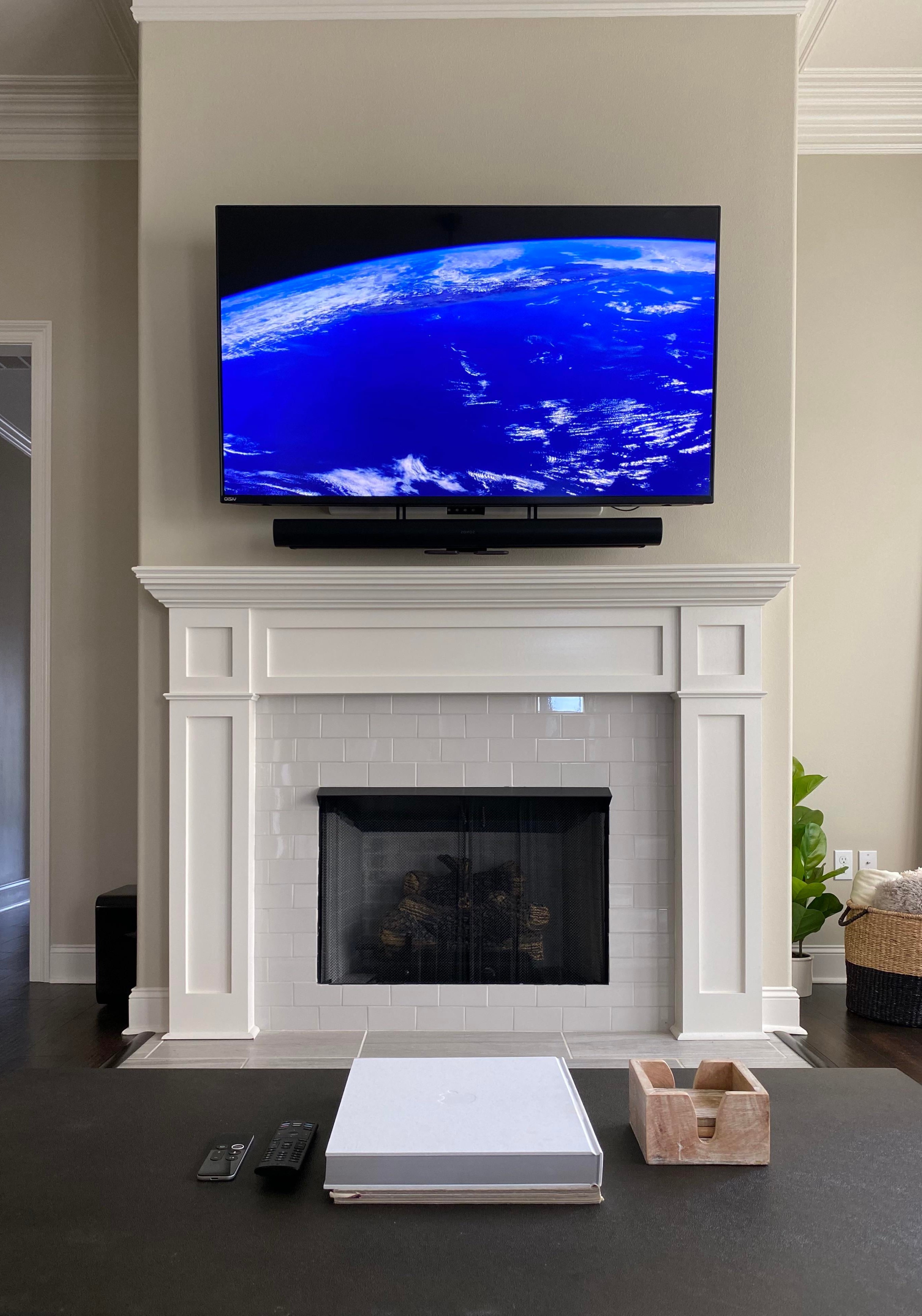
Keep a safe distance between the TV and fireplace to avoid heat damage. Measure the space carefully before installation. Use a mantel or heat shield to increase the gap if needed. Make sure the TV is not directly above the flames or heat vents. Safe distances prevent heat from reaching sensitive TV parts. This simple step helps keep your screen clear and your device running longer.
Credit: www.fireplacedoorsonline.com
Aesthetic Considerations
Mounting a TV over a fireplace changes the room’s look. It affects how the space feels and functions. Aesthetic choices matter as much as safety. Careful planning helps the TV and fireplace work well together. The goal is a balanced, inviting room where both features shine.
Visual Impact On Room Design
The TV becomes a main focus when placed above the fireplace. It draws attention away from other décor. The size and style of the TV affect the room’s style. A large screen can overwhelm a small space. Choosing a frame or bezel that matches the room helps. The fireplace’s design also shapes the room’s look. Both elements need to complement, not compete, with each other.
Balancing Fireplace And Tv
Balance means neither the TV nor the fireplace dominates. Position the TV so it aligns with the mantel or wall art. Use color and texture to link the two features visually. For example, match the TV frame with fireplace trim. Lighting plays a role too. Soft lights near the fireplace soften the TV’s presence. This balance creates a warm, cozy atmosphere in the room.
Alternative Placement Ideas
Sometimes, mounting the TV above the fireplace is not ideal. Consider placing the TV on a nearby wall. A swivel mount can allow viewing from different angles. Another option is a media console below or beside the fireplace. This keeps the TV at eye level and avoids heat damage. These alternatives maintain the room’s flow and comfort while protecting electronics.
Choosing The Right Fireplace
Selecting the right fireplace is essential when planning to mount a TV above it. The type of fireplace affects heat output and safety. Heat can damage your TV over time. Some fireplaces produce less heat and smoke. This makes them better choices for mounting a TV.
Understanding the benefits and risks of each fireplace type helps protect your electronics. It also ensures a safer and more comfortable viewing experience. Below are key points to consider for different fireplaces.
Advantages Of Gas Fireplaces
Gas fireplaces offer steady heat with less smoke than wood-burning ones. They heat the room quickly and evenly. Gas fireplaces also create less soot and ash. This reduces cleaning and maintenance efforts. Their controlled flame helps protect your TV from extreme heat. Many models come with built-in safety features. These include automatic shut-off and glass barriers.
Electric Fireplace Safety
Electric fireplaces produce the least heat among all options. This makes them very safe for mounting a TV nearby. They do not emit smoke or fumes. Electric models are easy to install and move if needed. Their low heat output reduces the risk of damage to electronics. Many electric fireplaces come with cool-to-touch surfaces. This adds an extra layer of safety for homes with children or pets.
Avoiding Wood-burning Risks
Wood-burning fireplaces generate high heat and smoke. This can harm your TV and indoor air quality. Soot and creosote buildup pose fire hazards. The uneven heat can cause hot spots near the TV. Wood fireplaces need frequent cleaning and maintenance. They also require good ventilation to prevent smoke damage. For these reasons, wood-burning fireplaces are less ideal for mounting a TV above.
Mounting Equipment Options
Choosing the right mounting equipment is key to safely install a TV above a fireplace. The mount must support the TV’s weight and allow adjustments for better viewing. Proper mounting gear helps protect the TV from heat and improves comfort while watching.
Full-motion And Articulating Mounts
Full-motion mounts let you move the TV in many directions. You can tilt, swivel, and pull the TV closer. This flexibility helps fix the high angle problem above a fireplace. Articulating mounts are a type of full-motion mount with extendable arms. They offer more options to adjust the screen for a better view.
Heat Sensor Features
Some mounts come with built-in heat sensors. These sensors detect when the fireplace gets too hot. They alert you to turn off the fireplace or move the TV. Heat sensors add a safety layer to prevent heat damage. They are very useful for wood-burning fireplaces that get very hot.
Installation Tips
Secure the mount to a strong wall stud, not just drywall. Use a stud finder to locate the studs behind the fireplace. Check the TV and mount weight limits before starting. Keep enough clearance between the fireplace and TV. Install a mantel or heat shield to protect the TV from heat. Make sure cables are long enough and hidden for a clean look.
Pros And Cons Summary
Mounting a TV above a fireplace is a popular choice for many homeowners. It can save space and create a stylish focal point. There are clear advantages and disadvantages to consider. This summary highlights the main benefits and potential drawbacks.
Benefits Of Mounting Above Fireplace
Saves floor space, making rooms feel larger and less cluttered. Creates a central viewing spot that draws attention and unifies the room’s design. Keeps the TV away from kids and pets, reducing the risk of damage. Offers a sleek, modern look that fits many home styles. Allows for a higher placement, which can work well in rooms with low furniture.
Potential Drawbacks To Consider
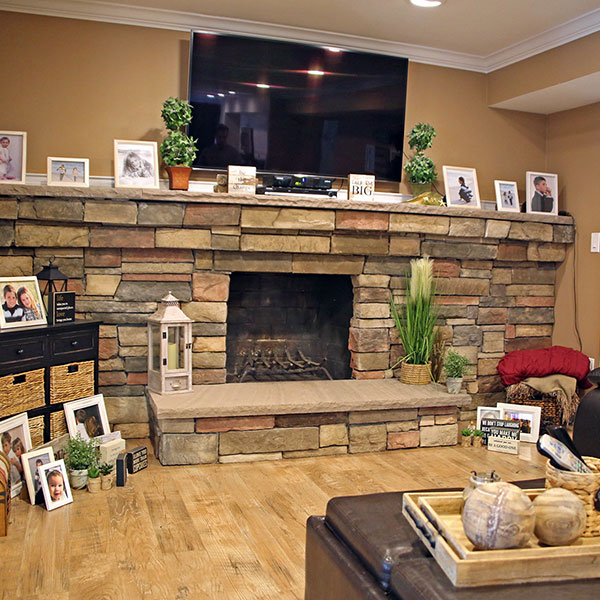
Heat from the fireplace can damage the TV over time. High placement may cause neck and eye strain during long viewing sessions. Viewing angle is often less than ideal, reducing picture quality and comfort. Smoke and soot from wood fireplaces might harm the screen and electronics. The TV can overpower the room’s décor, especially when turned off.
Credit: www.mercercountychimneyservices.com
Designers’ Opinions
Designers have mixed opinions about mounting a TV over a fireplace. Some see it as practical, while others find it challenging for aesthetics and comfort. The main issues they point out involve heat damage, viewing angles, and the overall look of the room. Designers often emphasize the need to balance function with style to create a pleasing space.
Common Criticisms
Many designers warn about the heat rising from the fireplace. This heat can harm the TV’s internal parts over time. Another concern is the high placement of the TV, which can cause neck pain from looking up. Designers also note that the TV can overpower the room’s decor, making the space feel less inviting.
When It Looks Tacky
A TV above a fireplace may look tacky if it does not fit the room’s style. Poor cable management and mismatched frames can distract from the room’s beauty. Sometimes, the TV size is too large or too small, making the setup unbalanced. Designers say that ignoring scale and proportion leads to a messy look.
How To Avoid Design Pitfalls
Designers suggest keeping the TV and fireplace balanced in size and style. Using built-in cabinets or shelves can hide cables and devices neatly. Installing a mantel can help protect the TV from heat while adding a design element. Choosing an adjustable mount allows you to set a comfortable viewing angle. These tips help keep the space functional and attractive.
Conclusion
Mounting a TV over a fireplace can work well with proper care. Keep the TV safe from heat by using a heat shield or large mantel. Choose a gas or electric fireplace to reduce risk. Use an adjustable mount to keep the screen at a good angle.
Make sure to leave enough space between the TV and fireplace. These steps help protect your TV and improve your viewing comfort. Think about your room’s design and comfort before making the final choice. Safety and good setup lead to a better TV experience.