
Yes, floating TV stands can be safe when they’re mounted correctly into wall studs and rated for the weight of your TV and equipment. Most problems happen when people anchor them only into drywall, use the wrong screws, or overload the shelf. For the safest setup, choose a solid bracket design, mount into studs (or use heavy-duty anchors if studs aren’t possible), and keep heavy items like receivers or consoles near the wall side. If installed properly, floating stands are stable and secure.
Safety Concerns
Floating TV stands offer a sleek look, but safety is a key concern. Understanding potential risks helps ensure your setup is secure. This section covers important safety points.
Weight Limits
Floating TV stands have specific weight limits. Exceeding these can cause damage or accidents. Always check the stand’s maximum weight capacity. Consider the weight of your TV and any devices placed on the stand. Choosing a stand that supports your TV’s weight is essential for safety.
Wall Support Requirements
Proper wall support is critical for floating stands. These stands rely on strong wall anchors to hold weight. Mounting only on drywall is unsafe and can lead to falls. Studs or solid wall materials must be used for installation. Using the correct hardware and mounting in the right spots keeps the stand secure.
Risk Of Tipping
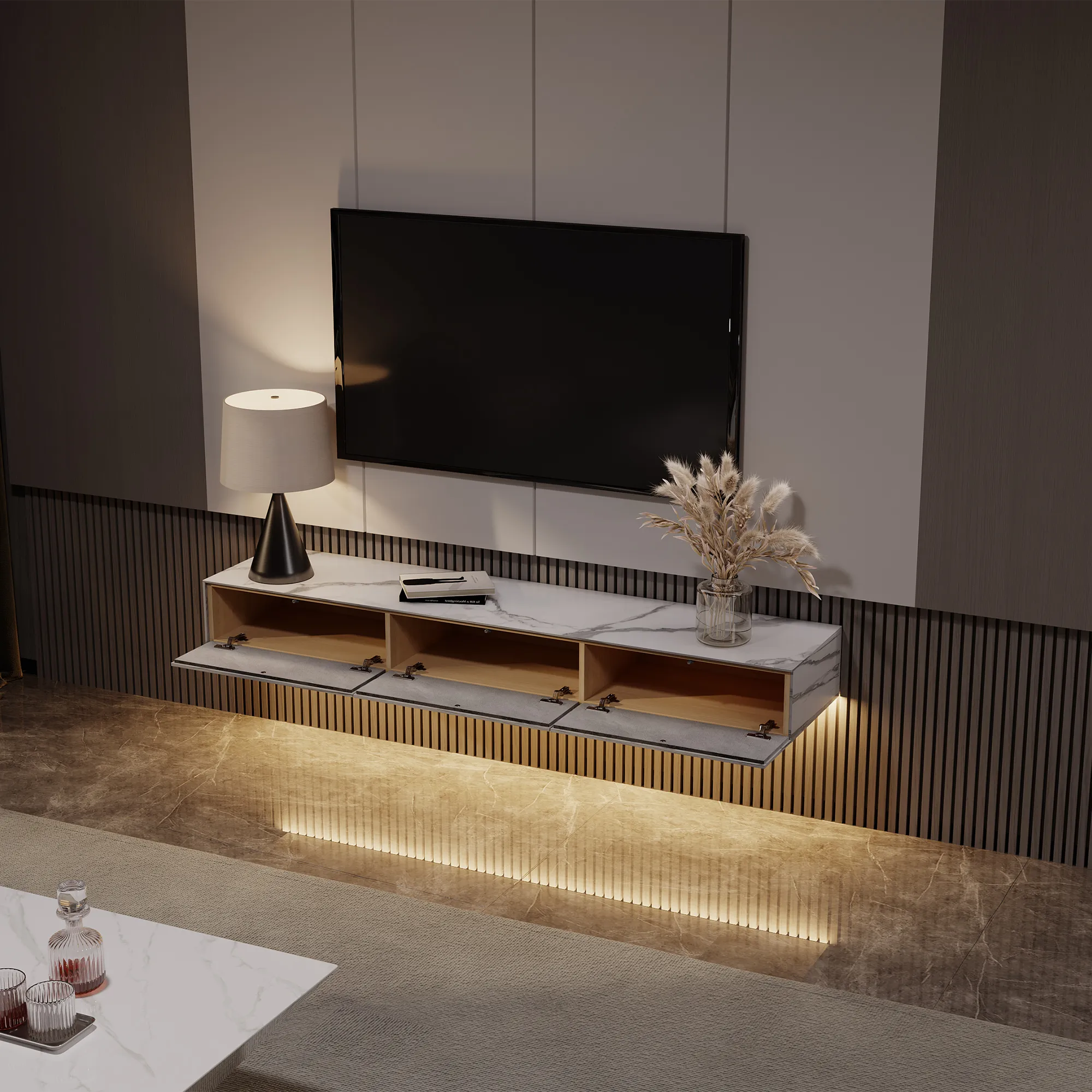
Tipping risk increases if the TV or stand is unstable. Floating stands with narrow bases can tip if bumped or pulled. Securing the TV with straps or brackets adds stability. Make sure the stand is level and firmly attached to the wall. This reduces the chance of accidents, especially in homes with children or pets.
Credit: www.povison.com
Installation Essentials
Installing a floating TV stand requires careful planning to ensure safety and stability. The installation essentials focus on secure mounting, correct dimensions, and sometimes expert assistance. Each factor plays a key role in making your floating TV stand safe and functional.
Anchoring To Wall Studs
Wall studs provide the strongest support for floating TV stands. Screwing the stand directly into studs prevents it from falling. Drywall alone cannot hold the weight of the TV and stand safely. Use a stud finder to locate the studs before installation. Proper anchoring reduces the risk of accidents and damage.
Shelf Dimensions
The shelf must be wide and deep enough to hold the TV base securely. A too-small shelf can cause the TV to tip or fall. Measure your TV’s base and compare it to the shelf size before buying or installing. Ensure the shelf supports the TV weight without bending or sagging.
Professional Help
Hiring a professional installer can ensure the floating TV stand is mounted safely. Experts know how to find studs and use the correct hardware. They also check if the wall can hold the weight. Professional help reduces mistakes and increases peace of mind.
Design And Function
Floating TV stands blend modern design with practical use. They offer a sleek look and can fit in many room styles. Understanding their design and function helps decide if they fit your needs. Safety depends on smart design choices and proper installation. The right stand supports your TV firmly while adding style and space-saving benefits.
Storage Options
Floating TV stands often have limited storage space. They usually include small shelves or compartments. These spaces hold media players, remotes, or small decor. Some models have hidden storage to keep clutter out of sight. Choose a design that fits your storage needs without crowding your space.
Aesthetic Appeal
These stands give a clean, modern look to any room. They create a floating effect, making the TV appear to hover. This design adds a sense of openness and lightness. Floating stands come in various colors and materials. They can match wood, metal, or glass decor styles.
Space Efficiency
Floating TV stands save floor space by mounting on walls. This frees up room for other furniture or activities. They work well in small rooms or apartments. The design keeps your floor clear and easier to clean. Space efficiency is a key reason many choose floating stands.
Safety Enhancements
Safety enhancements play a crucial role in making floating TV stands secure. These stands offer a sleek look but require extra care to avoid accidents. Proper safety measures protect your TV and your home.
Using Safety Straps
Safety straps keep the TV firmly attached to the stand. They prevent the TV from tipping over during bumps or earthquakes. Straps are easy to install and add a strong layer of protection. This is especially important in homes with children or pets.
Choosing Reinforced Shelves
Reinforced shelves are built with stronger materials and extra support. They hold heavier TVs without bending or breaking. Look for shelves made from solid wood or metal brackets. Reinforced shelves ensure the stand stays stable over time.
Regular Maintenance
Regular maintenance keeps the floating stand safe and sturdy. Check the mounting screws and brackets often to see if they are tight. Clean the shelves to prevent dust buildup that can weaken materials. Fix any signs of wear immediately to avoid accidents.
Alternatives To Floating Stands
Floating TV stands offer a sleek, modern look but may not suit every home or TV size. Exploring other options helps find a safe and practical setup. Alternatives to floating stands provide different benefits and ease of use. These choices can match your style and safety needs without complex installation.
Wall-mounted Tvs
Wall-mounted TVs save space and keep the screen secure. Mounting brackets attach the TV firmly to wall studs. This reduces the risk of tipping or falling. It also frees up floor space for other furniture. Wall mounts come in fixed, tilting, or full-motion styles. Choose one that fits your viewing angle and room layout. Professional installation is recommended for heavy or large TVs.
Traditional Floor Stands
Traditional floor stands provide stable support without wall mounting. They come in various sizes and designs to fit different rooms. These stands often include shelves or cabinets for extra storage. Setting up is simple and does not require drilling into walls. Floor stands work well in rental homes or rooms with fragile walls. They offer flexibility to move the TV around easily.

Credit: www.amazon.com
Placement Tips
Proper placement of a floating TV stand is vital for safety and viewing comfort. Careful positioning helps avoid accidents and enhances your watching experience. Consider height, distance, and clear space around the TV stand. These tips guide you to set up your floating TV stand securely and enjoyably.
Ideal Height For Viewing
Place the TV so the center is at eye level when seated. This reduces neck strain and improves comfort. For most people, that means about 42 to 48 inches from the floor. Adjust based on your sofa height and seating arrangement. A well-placed TV keeps your posture natural and relaxed.
Distance From Floor And Wall
Keep the floating stand at least 12 inches above the floor. This height prevents damage from cleaning or pets. The stand must be flush against the wall for stability. Ensure the wall anchors hold the stand firmly to avoid wobbling. Proper distance supports safety and looks neat.
Avoiding Obstructions
Clear the area around the floating TV stand to prevent accidents. Avoid placing objects that block ventilation vents on the TV. Keep cables organized to stop tripping hazards. Make sure nothing can fall on or damage the TV. Clear space helps maintain safety and device performance.

Credit: www.amazon.com
Conclusion
Floating TV stands can be safe if installed properly and used correctly. Always check the weight limit and anchor the stand to wall studs. Using safety straps adds extra protection against tipping. Consider professional help if unsure about installation steps.
Remember, floating stands suit lighter TVs and offer a modern look but less storage. Choose the option that fits your space and safety needs best. Safety matters most to enjoy your TV setup without worries.