
Are you wondering if using a TV antenna is legal where you live? You’re not alone.
Many people want to cut cable costs but worry about the rules around antennas. The good news is, understanding the legality of TV antennas is simpler than you might think. You’ll get clear answers to your questions and learn what you need to know before setting up your antenna.
Keep reading to find out how you can enjoy free TV worry-free!
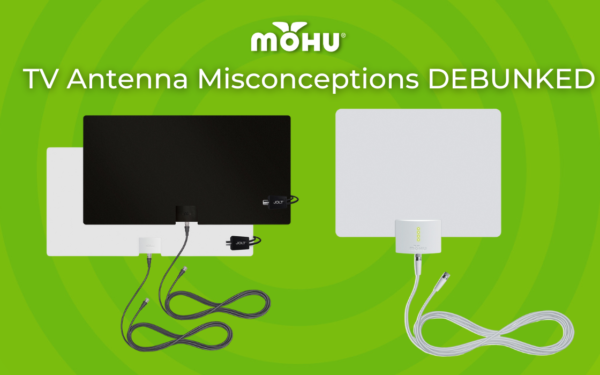
Credit: www.gomohu.com
Legality Of Tv Antennas
Many people wonder if TV antennas are legal to use. The answer is yes, TV antennas are legal in most places. They allow users to receive free broadcast signals from local TV stations.
Using a TV antenna does not break any laws. It simply captures signals that are openly available. This makes antennas a popular choice for free TV access.
Is It Legal To Install A Tv Antenna?
Installing a TV antenna is legal on private property. Homeowners can place antennas on rooftops or yards. Some rules may apply depending on local building codes or homeowner associations.
Restrictions On Tv Antennas In Apartments
Apartment renters might face restrictions. Some landlords limit antenna installations. Checking lease agreements before installing is important. Portable antennas or indoor models can be alternatives.
Can Tv Antennas Interfere With Other Devices?
TV antennas should not cause interference. Laws prevent antennas from disrupting other signals. Proper installation helps avoid signal problems. If issues arise, adjusting antenna placement can fix them.
Regulations On Antenna Size And Placement
Some areas regulate antenna size and height. These rules protect neighborhood views and safety. Local authorities provide guidelines on acceptable antenna dimensions. Following these rules keeps installations legal.
Federal Regulations
Federal regulations set the rules for using TV antennas in the United States. These rules help protect broadcasters and viewers. They make sure antennas do not interfere with other signals. Understanding these regulations is important for legal and safe antenna use.
Fcc Rules
The Federal Communications Commission (FCC) oversees TV antennas. It ensures antennas follow technical standards. These standards prevent signal interference. The FCC allows consumers to install antennas at home. They must not cause harm to other communication devices. Antennas must meet safety and placement guidelines set by the FCC.
Broadcasting Rights
Broadcasting companies own the rights to their TV signals. These rights protect their content from unauthorized use. Using a TV antenna to receive free broadcast signals is legal. It does not violate broadcasting rights. Antennas only capture signals meant for public reception. They do not record or redistribute content illegally.
Local Laws And Restrictions
Understanding local laws and restrictions is important before installing a TV antenna. These rules vary by location and can affect where and how you place your antenna. Knowing the laws helps you avoid fines and conflicts.
Zoning Laws
Zoning laws control how property is used in different areas. Some zones have rules about the height and placement of antennas. These laws protect neighborhood aesthetics and safety. Check with your city or county office for specific rules.
Hoa Guidelines
Homeowners associations (HOAs) often have strict rules on antennas. They may limit antenna size or block visible installations. HOAs want to keep a uniform look in the community. Review your HOA’s guidelines before setting up an antenna.

Credit: www.youtube.com
Installation Rules
Installing a TV antenna is often simple but must follow certain rules. These rules help keep installations safe and legal. Understanding these rules before starting can save time and trouble.
Installation rules vary by location. Knowing what is required helps ensure your antenna works well and does not cause problems.
Permits Needed
Some areas require permits before installing a TV antenna. This depends on local building codes and homeowner rules. Check with your city or housing association first. Permits ensure the antenna meets all regulations. Skipping this step can lead to fines or removal orders.
Safety Standards
Safety is key when installing antennas. The antenna should be securely mounted to prevent falls. Keep it away from power lines to avoid electric shock. Use proper grounding to protect against lightning strikes. Following safety standards protects your home and family.
Common Misconceptions
Many people have wrong ideas about TV antennas and their legality. These common misconceptions can cause confusion and worry. Clearing up these myths helps you understand the facts about TV antennas.
Are Tv Antennas Illegal To Use?
Some believe TV antennas are illegal. This is not true. TV antennas are legal to use everywhere in the United States. You can install one on your home or apartment without breaking any laws.
Do Tv Antennas Violate Copyright Laws?
Another myth says TV antennas break copyright rules. Antennas only receive free broadcast signals. They do not record or share copyrighted content. Using an antenna does not violate copyright laws.
Is A Permit Needed To Install A Tv Antenna?
Many think you need a special permit for installation. Most places allow you to install antennas without a permit. Some apartment buildings or neighborhoods may have rules. Always check local rules before installing.
Can Tv Antennas Interfere With Other Devices?
Some worry antennas cause interference with phones or internet. Modern TV antennas are designed to avoid interference. Proper installation can prevent any signal problems. Antennas generally do not affect other devices.
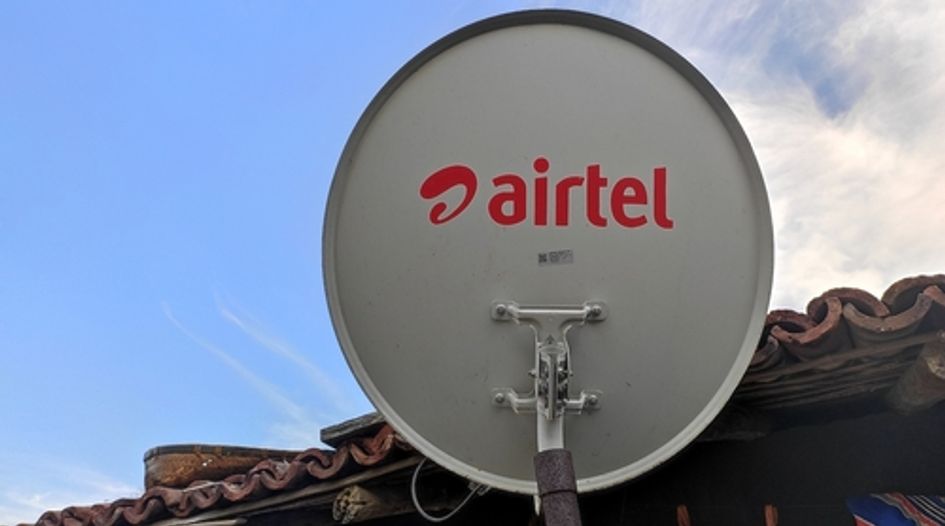
Credit: globalcompetitionreview.com
Alternatives To Tv Antennas
Many people wonder about other ways to watch TV without using an antenna. Several options exist that provide good picture quality and a variety of channels. These choices suit different needs and budgets. Understanding these alternatives helps you find the best way to enjoy your favorite shows.
Streaming Services
Streaming services offer many TV shows and movies online. They need an internet connection and a smart device. Platforms like Netflix, Hulu, and Amazon Prime provide on-demand content. Users can watch anytime, pause, or rewind shows. Some services also offer live TV channels. Streaming is flexible and often cheaper than cable. It allows viewers to pick what to watch easily.
Cable And Satellite
Cable and satellite TV provide a wide range of channels. They deliver signals through wires or satellite dishes. These services often include news, sports, and entertainment channels. Subscriptions can be monthly or yearly. Cable and satellite offer reliable reception and many channel choices. They are a traditional option for watching live TV. Packages vary based on what channels you want.
Conclusion
TV antennas are legal to use in most places. They let you watch free local channels without any fees. You do not need special permission or licenses to install one at home. Just follow local rules about where to place the antenna.
Using a TV antenna is a simple and safe way to get TV signals. Many people enjoy clear pictures without paying cable bills. So, TV antennas remain a good choice for easy, legal TV access.