
“Antenna DTV” and “Antenna TV” usually mean the same thing: watching free over-the-air channels with an antenna. “DTV” just stands for digital television, which is the current broadcast standard, while “antenna TV” is the general term people use for local channels you pick up without cable.
As long as your TV has a built-in digital tuner (or you use a converter box), both refer to the same free local broadcasts.
Basics Of Tv Antennas
Understanding the basics of TV antennas helps you choose the right one for your needs. TV antennas capture signals and send them to your television. These signals carry the shows and channels you watch. Different antennas work for different types of signals and locations. Knowing how antennas work makes picking the best option easier.
What Is A Tv Antenna
A TV antenna is a device that receives broadcast signals. It catches radio waves sent by TV stations. The antenna then sends these signals to your TV set. This allows you to watch free over-the-air channels. Antennas do not need cable or internet to work.
Antennas vary in size and shape. Some are small and indoor, others are large and outdoor. All antennas aim to get the strongest signal possible. Their effectiveness depends on distance from the broadcast tower and obstacles.
Types Of Tv Antennas
There are two main types of TV antennas: indoor and outdoor. Indoor antennas are small and easy to install inside your home. They work well in areas close to broadcast towers. Outdoor antennas are larger and mount outside the house. They capture signals better in remote or weak signal areas.
Another type is the DTV antenna, designed for digital signals. It is more efficient at receiving high-definition channels. Older antennas may not work well with digital signals. Choosing the right type depends on your location and signal needs.
Digital Tv Antennas
Digital TV antennas have changed how we receive television signals. They provide clear, high-quality images and sound. These antennas capture digital signals broadcast over the air. No cable or satellite subscription needed.
Many homes now use digital TV antennas for free access to local channels. Understanding their function helps to pick the right model. Let’s explore how these antennas work and their main features.
How Dtv Antennas Work
Digital TV antennas catch signals sent by local TV stations. These signals are digital, not analog. The antenna picks up the digital waves and sends them to the TV. The TV then decodes the signals into video and sound.
Signals travel through the air as radio waves. The antenna’s shape and size affect how well it catches these waves. Stronger signals mean better picture and sound quality. Positioning the antenna correctly improves reception.
Features Of Dtv Antennas
Digital TV antennas often have a slim, flat design. This makes them easy to place indoors or outdoors. Some models include amplifiers to boost weak signals. Amplifiers help in areas far from broadcast towers.
Many antennas support multiple channels and frequencies. They are built to resist weather for outdoor use. Some come with adjustable parts to fine-tune signal reception. Easy installation is common to help users set up quickly.
Analog Tv Antennas
Analog TV antennas played a key role before digital signals became popular. They capture radio waves carrying TV programs. These antennas helped households receive clear images and sound on their analog TVs. Understanding analog antennas helps compare them with digital TV antennas.
Functionality Of Analog Antennas
Analog antennas catch broadcast signals in a specific frequency range. These signals carry audio and video information. The antenna converts radio waves into electrical signals. The TV then processes these signals to show images and play sound. Signal strength affects picture quality. Stronger signals give clearer images. Weak signals cause fuzzy or snowy screens.
Design Characteristics
Analog antennas often have simple designs. Common types include rabbit ears and loop antennas. They use metal rods or wires to catch signals. Size and shape matter for signal reception. Longer rods help catch lower frequencies. Directional antennas point toward TV stations for better reception. Easy to install and adjust. No power source needed for basic models.
Credit: www.antennasdirect.com
Signal Reception Differences
Understanding the signal reception differences between Antenna DTV and Antenna TV helps in choosing the right device. Signal reception affects picture clarity and sound quality. Each type of antenna handles signals in a unique way. These differences impact your viewing experience significantly.
Digital Signal Quality
Antenna DTV receives digital signals. These signals deliver clear and sharp images. The digital signal resists interference better than analog. It maintains consistent quality even with weak signals. Digital antennas show no static or noise. Picture and sound remain stable once locked on a channel. This makes digital antennas ideal for modern TVs.
Analog Signal Quality
Antenna TV receives analog signals. These signals are more prone to interference. Picture quality may blur or flicker during weak reception. Static noise can appear on the screen and in audio. Analog signals lose quality over distance. The image may become grainy or distorted. Older TVs often rely on analog antennas for reception.
Compatibility And Usage
Understanding compatibility and usage is key when choosing between an antenna DTV and antenna TV. Both types serve to capture broadcast signals, but their design and technology differ. This affects how well they work with various televisions and setups.
Knowing which antenna fits your TV helps avoid frustration and ensures you get clear channels. It also guides you in adapting older antennas for modern use. This section explains these points clearly.
Which Antenna Works With Which Tv
Digital TVs need antennas designed to pick up digital signals. Antenna DTVs are made for this purpose. They capture digital broadcasts better than old-style antennas.
Older analog TVs can still use traditional antenna TVs. These antennas work fine for analog signals but may struggle with digital ones. Using an antenna DTV with a digital TV usually gives better picture and sound quality.
Most new TVs have a built-in digital tuner. This means they need an antenna DTV or a digital-ready antenna. Without the right antenna, the TV may not show any channels.
Adapting Old Antennas For Digital Use
Old antennas designed for analog signals can sometimes work for digital TV. You may need a digital converter box to make the signals compatible. This box changes digital signals to analog for old TVs.
Another option is to check if the old antenna supports UHF signals. Digital TV signals are mainly on UHF frequencies. If the old antenna covers UHF, it might pick up digital channels well.
Placement and orientation matter a lot. Adjusting the antenna direction can improve digital signal strength. Sometimes, upgrading the cable or connectors also helps.

Credit: www.amazon.com
Installation Tips
Installing an antenna, whether DTV or TV, needs care and some know-how. Proper setup improves signal strength and picture quality. Follow these tips to get the best results from your antenna system.
Placement For Optimal Reception
Place your antenna high and near a window. Walls and furniture can block signals. Point the antenna toward the broadcast towers. Use online tools to find tower locations. Test different spots to see where the signal is strongest. Keep the antenna away from metal objects.
Avoiding Common Interference
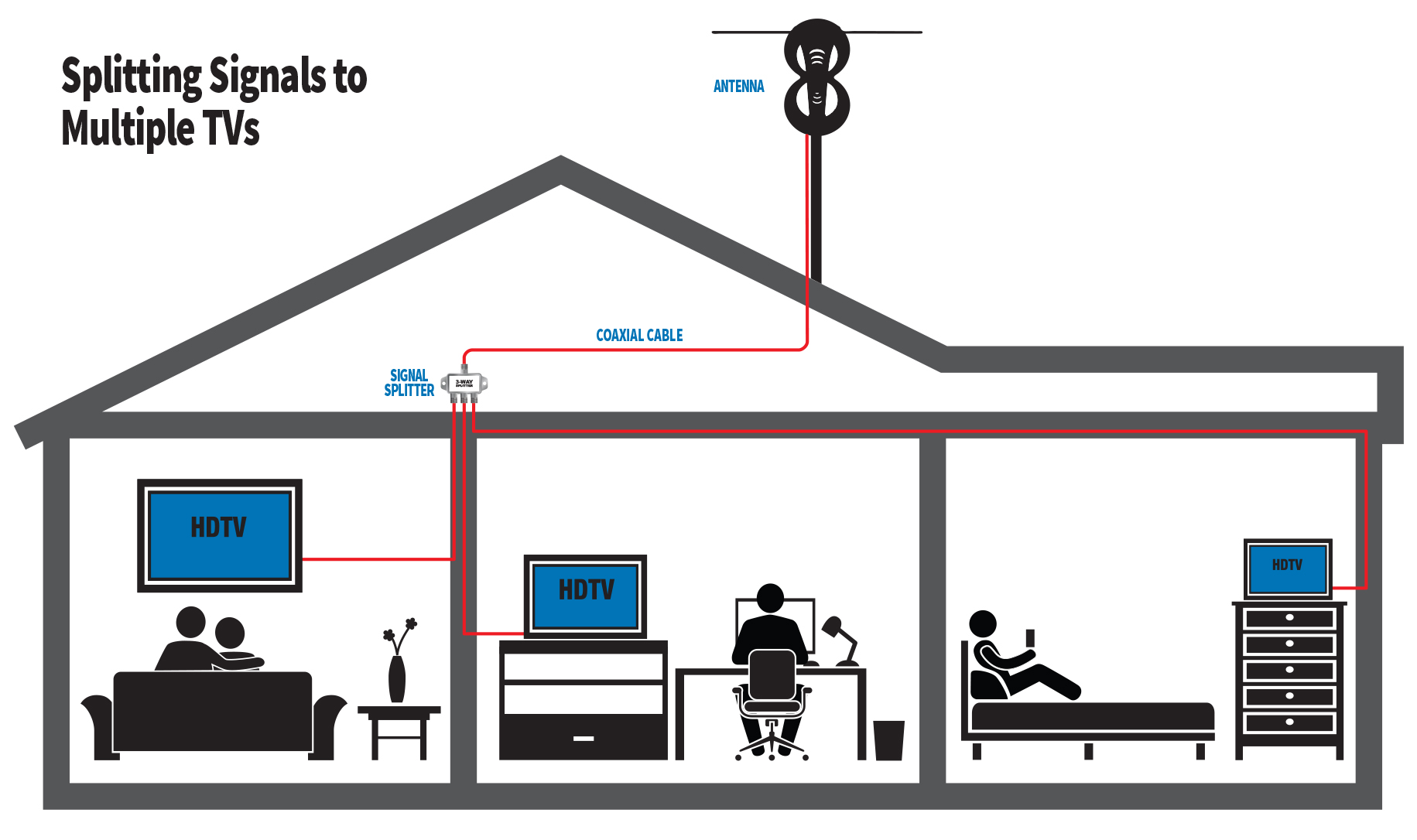
Avoid placing your antenna near devices like microwaves or cordless phones. These can disrupt the signal. Large appliances and thick walls cause interference too. Keep cables short and use quality coaxial cables. Check for loose connections regularly. This helps keep a clear, stable signal.
Cost And Availability
Understanding the cost and availability of Antenna DTV and Antenna TV helps you make the right choice. Both types offer free access to local channels but differ in price and where you can buy them. Knowing these details saves time and money.
Price Comparison
Antenna DTV usually costs a bit more than traditional Antenna TV. This is because DTV antennas are designed to capture digital signals clearly. Prices for DTV antennas range from $20 to $100. Basic Antenna TV models can cost as low as $10. The price depends on brand, range, and features. Spending more may give better reception and durability.
Where To Buy
You can find both Antenna DTV and Antenna TV in many places. Electronics stores often carry a wide selection. Online marketplaces offer many options with customer reviews. Some big box retailers have dedicated sections for antennas. Local stores may have fewer choices but allow hands-on inspection. Checking availability before buying ensures you get the right model fast.
Future Trends In Tv Antennas
TV antennas have changed a lot over the years. The future shows even more changes. New ideas and tools will shape how antennas work. Understanding these trends helps viewers choose the best option.
Technology keeps getting better. Antennas will be smarter and easier to use. They will fit in homes in new ways. These changes affect how people watch TV.
Advancements In Antenna Technology
Antennas will become more powerful and smaller. New materials will make them stronger. Some will use AI to find the best signal. This means clearer pictures and less interference. Designs will focus on indoor use and easy setup. Antennas may connect to apps for control and updates.
Impact Of Streaming On Antenna Use
Streaming is very popular today. It changes how people watch TV. Antennas will work with streaming devices more. Some antennas will help find local channels online. Users may use antennas for free channels and streaming for others. This mix gives more choice and saves money.
:max_bytes(150000):strip_icc()/amplify-digital-tv-signal-3276115-c51983bec9ea4ec0ad0d447a52cfdc6a.png "Antenna DTV vs Antenna TV 3")
Credit: www.lifewire.com
Conclusion
Choosing between Antenna DTV and Antenna TV depends on your needs. DTV antennas receive digital signals for clearer picture and sound. Traditional TV antennas work with older analog signals but may have lower quality. Think about your location and the channels you want.
Digital antennas often offer more options and better quality. Still, some areas might only support analog signals. Weigh your priorities carefully to pick the best antenna for your home. Simple steps lead to better TV viewing experiences.