
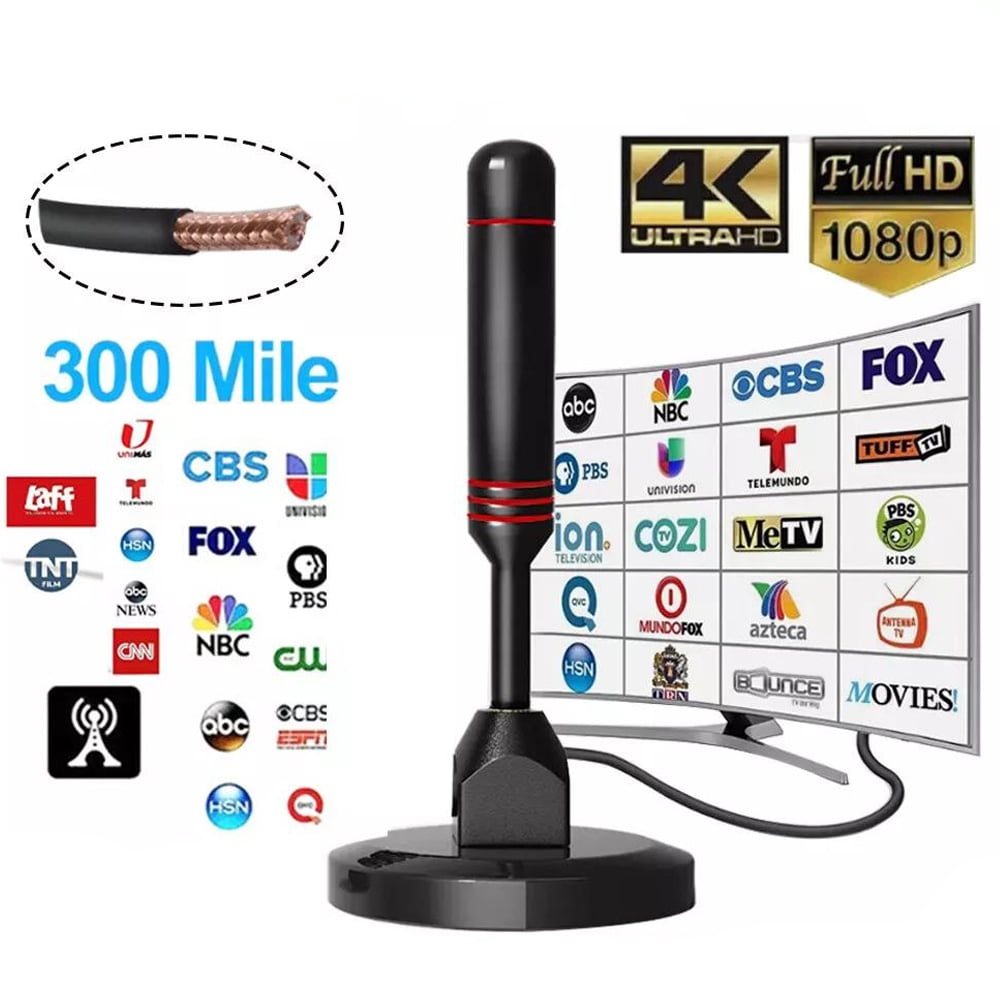
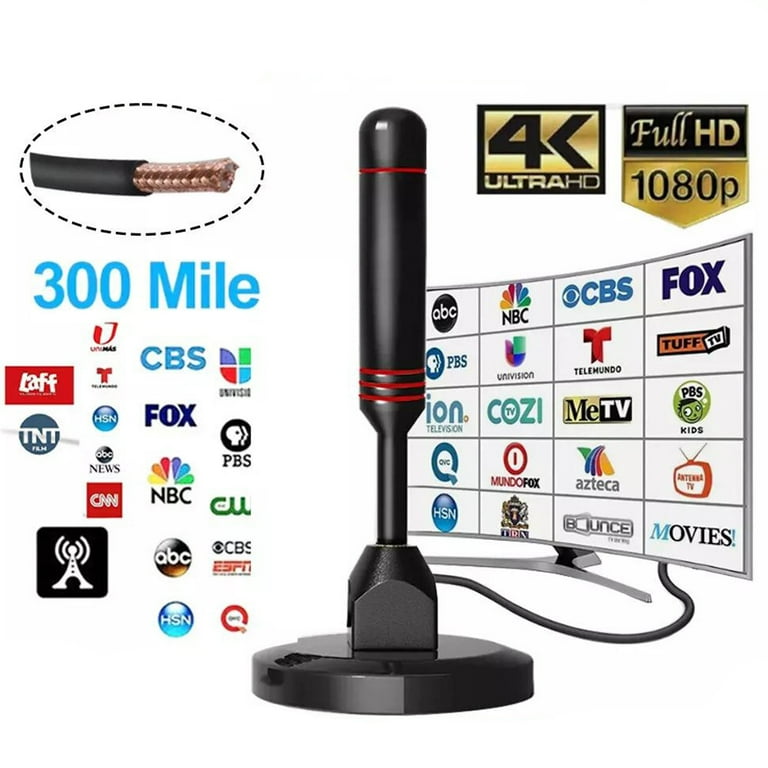
No, a regular outdoor TV antenna can’t reliably reach 300 miles in real-world use. Most antennas that claim 300 miles are using marketing, because over-the-air TV is limited by the curvature of the earth, terrain, and signal strength, and typical reliable ranges are closer to 30–80 miles for most setups.
In rare conditions, signals can travel farther due to atmospheric “ducting,” but it’s unpredictable and not something you can count on. For consistent reception, focus on a quality antenna, good placement, and proper cabling—not extreme range claims.
Signal Range Basics
Understanding signal range is key to using an outdoor TV antenna well. Signal range means how far the antenna can pick up TV signals from broadcast towers. Many people wonder if antennas can reach 300 miles. The answer depends on many things, such as signal strength and environment.
Knowing the basics helps set the right expectations. It also helps you choose the best antenna for your needs. The range is not just about distance but also about clear signal paths and fewer blocks.
Factors Affecting Antenna Range
The antenna type plays a big role in range. Larger antennas with more elements catch signals better. Signal strength from the tower also matters. Stronger signals travel farther and are easier to receive.
Weather can impact signal quality. Rain, snow, and wind may reduce range. The antenna’s height helps too. Higher placement often means better reception and longer range.
Line Of Sight Importance
Clear line of sight between the antenna and tower is crucial. Signals travel in straight lines and need open paths. Trees, buildings, and hills can block signals completely. Even small obstacles can weaken the signal.
Placing the antenna on a rooftop or a tall pole improves line of sight. This setup helps the antenna catch signals that are far away.
Terrain And Obstructions
Hilly or mountainous areas reduce signal range. Signals may bounce off or be absorbed by terrain. Urban areas with many buildings also cause signal loss. Metal and concrete are strong blockers.
Open fields and flat land allow signals to travel farther. Knowing the terrain helps predict how far your antenna can reach. Use maps or online tools to check for obstacles near you.

Credit: www.amazon.com
Technical Limits Of Antennas
The technical limits of outdoor TV antennas define how far they can receive signals. Many factors affect this range. Understanding these helps set clear expectations about antenna performance. Distance alone is not the only key.
Signal quality depends on antenna design, frequency, and power. These elements work together to determine if a TV antenna can reach signals hundreds of miles away. Let’s explore these technical aspects.
Antenna Types And Their Reach
Different antennas serve different purposes. Directional antennas focus on signals from one direction. They can reach farther than omnidirectional types, which capture signals from all around.
High-gain antennas collect more signal strength. This makes them better for long distances. Simple antennas usually work best under 50 miles. Reaching 300 miles needs specialized designs and clear paths.
Frequency Bands And Signal Strength
TV signals travel on VHF and UHF bands. VHF signals go farther but are weaker and prone to noise. UHF signals are stronger but cover shorter distances.
Higher frequencies lose power faster as they travel. Obstacles like buildings or trees reduce signal strength. Weather conditions also impact signal quality over long distances.
Power And Sensitivity
Transmitters send signals at set power levels. Higher power means stronger signals at the antenna’s location. But power is limited by regulations and technology.
Antennas must be sensitive enough to pick weak signals. Amplifiers help boost weak signals but add noise. Sensitivity and power together define how far an antenna can reach.
Realistic Distance Expectations
Understanding how far an outdoor TV antenna can reach is important. Many people wonder if a 300-mile range is possible. Realistic distance expectations help set clear goals. Signal strength and quality depend on many factors. Distance alone does not guarantee good reception.
Antennas have limits. Terrain, weather, and buildings affect signal travel. Knowing typical ranges helps choose the right antenna. Let’s explore what you can expect from outdoor TV antennas.
Typical Maximum Ranges
Most outdoor TV antennas work best within 60 to 80 miles. Some high-quality antennas reach up to 100 miles. Beyond this, signals get weaker and harder to catch. The Earth’s curve also limits how far signals travel. Signals usually come from local broadcast towers nearby.
Challenges At Long Distances
Signals weaken over distance. Hills, trees, and buildings block signals. Weather like rain and snow reduce signal strength. Interference from other electronic devices causes problems. Antennas must be placed high and clear of obstructions. Even then, 300 miles is too far for reliable reception.
Examples Of Long-range Use
Some users report picking up signals beyond 100 miles. This happens in flat areas with strong signals. Mountain tops or open plains help signals travel farther. Large, powerful antennas may reach 150 miles in rare cases. Still, 300 miles is not realistic for typical home use.
Credit: www.walmart.com
Enhancing Antenna Performance
Enhancing antenna performance is key to getting better TV signals. A strong signal means clearer picture and sound. Many factors affect antenna range and quality. Small changes can make a big difference. This section explains easy ways to improve your antenna’s reach and performance.
Antenna Placement Tips
Place your antenna as high as possible. Roofs or attics work well. Avoid metal objects and thick walls nearby. Point the antenna toward the broadcast towers. Use a compass or smartphone app to find tower directions. Clear obstacles like trees or buildings. Signal strength improves with a clear line of sight.
Using Amplifiers And Boosters
Amplifiers increase weak signals. They help if the antenna is far from towers. Boosters reduce signal loss from long cables. Use a low-noise amplifier for better quality. Avoid over-amplifying; it causes interference. Place amplifiers close to the antenna for best results. Check power supply and connections regularly.
Directional Vs Omnidirectional Antennas
Directional antennas point to one direction. They capture signals from distant towers. Best for rural areas or long distances. Omnidirectional antennas receive signals from all directions. Good for urban areas with many towers. Choose based on your location and signal needs. Directional antennas often have better range than omnidirectional ones.
Alternatives For Long Distance Tv Reception
Receiving TV signals from 300 miles away is difficult for most outdoor antennas. Long distance reception needs clear signals and strong equipment. There are other ways to watch TV without relying on far antennas. These options can give you better access to many channels and shows.
Choosing the right method depends on your needs and location. Some options use satellites, others use the internet. Each has its benefits and can provide clear TV reception.
Satellite Tv Options
Satellite TV uses a dish to catch signals from space. These signals cover large areas, including remote places. Satellite service offers many channels and good picture quality. You can watch live shows and sports without signal loss. Setup is simple and works anywhere with a clear sky.
Cable And Streaming Services
Cable TV connects directly to your home, avoiding signal issues. It offers many channels and reliable service. Streaming services use the internet to deliver TV shows and movies. These platforms have flexible plans and on-demand content. They do not depend on antenna distance or weather.
Internet-based Tv Solutions
Internet TV uses your broadband connection for viewing. It includes services like IPTV and apps on smart TVs. You can watch live broadcasts and recorded shows online. This option works well in areas with good internet speed. It often costs less than traditional cable or satellite plans.
Credit: www.walmart.com
Conclusion
Outdoor TV antennas rarely reach 300 miles. Signal strength weakens over long distances. Terrain, weather, and buildings also affect reception. Most antennas work best within 60 to 100 miles. Choosing the right antenna depends on your location. Higher quality antennas can improve range slightly.
Still, expecting a clear signal at 300 miles is unrealistic. For better TV reception, place the antenna high and clear. Understanding these limits helps set real expectations. This way, you can enjoy better TV without frustration.