
If you’re diving into the world of ham radio, understanding the types of connectors you use is key to getting the best performance from your setup. You might already have a radio, but do you know which connector fits your antenna or power supply?
Picking the right ham radio connector can make your equipment more reliable and easier to use. You’ll discover the most common types of ham radio connectors, what makes each one special, and how to choose the right connector for your needs.
By the end, you’ll feel confident connecting your gear like a pro, avoiding costly mistakes, and boosting your signal quality. Keep reading to unlock the secrets behind these essential components!
Common Ham Radio Connectors
Ham radio operators rely on different connectors to link their radios, antennas, and accessories. These connectors ensure a secure and reliable connection for clear communication. Understanding common ham radio connectors helps users pick the right fit for their setup. Here are the most popular types found in many ham radio stations.
Pl-259 (uhf Connector)
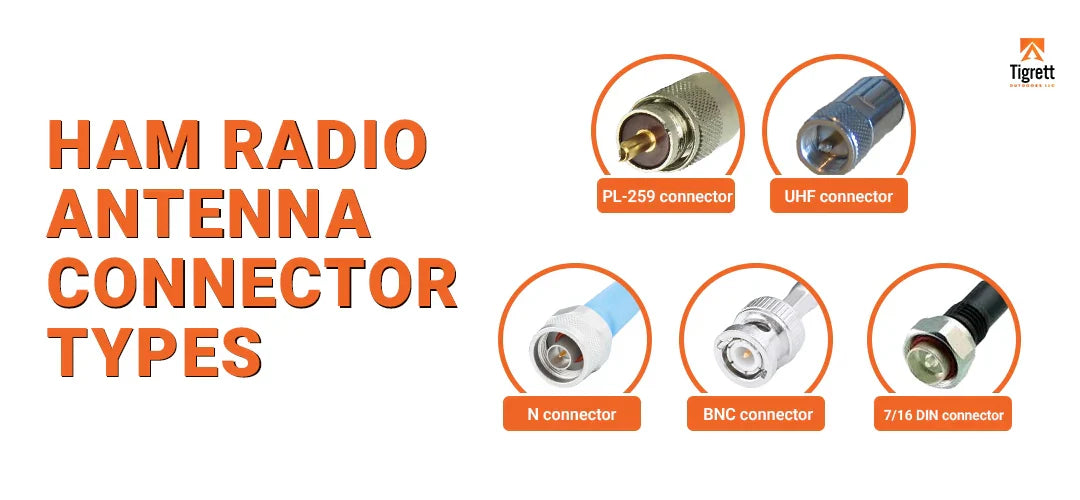
The PL-259 connector is a classic choice for ham radios. It has a threaded design that locks firmly in place. This connector works best for frequencies below 300 MHz. Many operators use it with coaxial cables for antennas and radios. It is simple, durable, and widely available, making it a favorite in the ham community.
Bnc Connectors
BNC connectors are small and easy to connect with a twist-lock mechanism. They handle frequencies up to 4 GHz, suitable for many radio applications. Their compact size makes them perfect for portable radios and test equipment. BNC connectors provide a stable connection while allowing quick disconnects when needed.
N-type Connectors
N-type connectors offer a weather-resistant option for outdoor antennas. They support frequencies up to 11 GHz, ideal for high-frequency ham radio use. These connectors have a threaded coupling that ensures a tight fit. Their rugged design helps maintain signal quality even in harsh conditions.
Sma Connectors
SMA connectors are very small and common in modern ham radios and antennas. They handle frequencies up to 18 GHz, making them suitable for advanced radio setups. SMA connectors use a threaded design for secure connections. Their size makes them ideal for handheld radios and compact devices.

Power Connectors In Ham Radio
Power connectors play a vital role in ham radio setups. They supply the necessary electricity to keep your radio gear running. Choosing the right power connector ensures safe and reliable connections. Different types suit various needs and equipment. Below are some common power connectors used in ham radio.
Anderson Powerpole
Anderson Powerpole connectors are popular among ham radio operators. They offer a secure and easy-to-use connection for DC power. These connectors are color-coded to prevent wiring mistakes. You can connect and disconnect them quickly without tools. Their high current rating makes them ideal for many radio setups.
Barrel Connectors
Barrel connectors are simple and widely used in low-power devices. They consist of a cylindrical plug and socket. These connectors fit easily into power jacks on radios and accessories. While not as robust as others, barrel connectors are convenient for portable radios. They are common in commercial power supplies and adapters.
Alligator Clips
Alligator clips provide a flexible and quick way to connect power. They clip onto battery terminals or wire ends without soldering. These clips are useful for temporary or test setups. Alligator clips allow you to connect to various battery types fast. Their grip strength and insulation vary, so use caution to avoid shorts.
Antenna Connector Types
Choosing the right antenna connector is vital for ham radio setups. Connectors link your radio to the antenna, ensuring clear signals and strong connections. Different connectors suit different radios and antennas. Understanding common types helps you pick the best match for your gear.
So-239 Socket
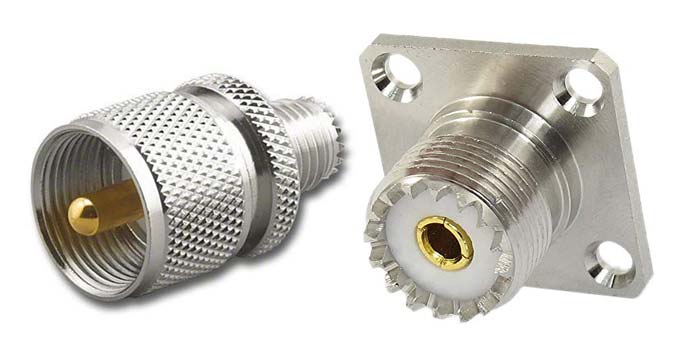
The SO-239 socket is a popular antenna connector in ham radio. It has a round shape with a threaded outer shell. This design helps secure the plug firmly to prevent signal loss. The SO-239 connects to a PL-259 plug, making it common on many radios and antennas. It handles high power well, making it ideal for base stations and mobile setups.
Type-f Connectors
Type-F connectors are simple and easy to use. They screw on to provide a stable connection. Commonly found in TV and cable applications, some ham radios use them for antennas too. These connectors suit low to medium power levels. They are less bulky, making them useful for compact or portable radios.
Mcx And Mmcx Connectors
MCX and MMCX connectors are very small and lightweight. They fit well on handheld radios and small antennas. MMCX is smaller than MCX, offering a tighter connection in limited spaces. Both connectors snap on quickly without twisting. Their compact size helps reduce cable clutter and signal loss.
Wire-to-wire Connectors
Wire-to-wire connectors join two or more wires securely. They ensure reliable electrical connections in ham radio setups. These connectors help maintain signal strength and reduce interference. Choosing the right type affects the performance and durability of your radio system.
Crimp Connectors
Crimp connectors attach wires by compressing metal sleeves around them. They provide strong mechanical and electrical bonds without solder. Use a proper crimping tool for best results. These connectors are popular for quick, durable connections in ham radios. They resist vibration and corrosion well.
Soldered Connections
Soldered connections join wires by melting metal solder onto them. This creates a permanent and conductive bond. Soldering requires a soldering iron and some skill. It offers excellent electrical conductivity and strength. Proper insulation after soldering prevents shorts and protects the joint.
Quick Disconnects
Quick disconnects allow fast wire connection and disconnection. They are ideal for parts that need frequent removal. These connectors often use snap-on or slide-on designs. Quick disconnects save time during maintenance or upgrades. They come in various sizes to fit different wire gauges.
Wire-to-board Connectors
Wire-to-board connectors form a critical link between the radio’s internal wiring and its circuit boards. They ensure secure electrical connections in ham radios, helping maintain signal clarity and device reliability. These connectors come in various types, each suited for specific applications and ease of use.
The two common types of wire-to-board connectors are pin headers and terminal blocks. Both provide stable connections but differ in design and installation methods.
Pin Headers
Pin headers consist of rows of metal pins mounted on a plastic base. These pins plug directly into matching sockets on circuit boards. They offer a compact and reliable connection for low-voltage signals. Pin headers allow easy insertion and removal of wires, making them ideal for testing and prototyping.
They come in single or double rows and various pin counts. Their small size saves space inside ham radio equipment. Pin headers work well with ribbon cables or individual wire connectors. They provide a solid connection but require careful alignment during installation.
Terminal Blocks
Terminal blocks secure wires using screws or clamps. They provide a strong mechanical hold and are perfect for heavier gauge wires. Terminal blocks simplify maintenance by allowing quick wire changes without soldering. This makes them popular in ham radios for power connections or antenna wiring.
They come in multiple positions, allowing several wires to connect on one block. Terminal blocks also help organize wiring neatly. Their robust design ensures a stable connection even in harsh environments. Using terminal blocks reduces the risk of loose wires and signal interruptions.
Board-to-board Connectors
Board-to-board connectors link two printed circuit boards (PCBs) directly. These connectors save space and improve signal integrity in ham radio equipment. They offer reliable mechanical and electrical connections between circuit boards. This makes them essential in compact and complex radio designs.
Ribbon Cable Connectors
Ribbon cable connectors connect PCBs using flat, multi-wire cables. These cables organize many wires in a neat row, making wiring simpler. Ribbon connectors allow flexible board layouts and easy maintenance. They ensure good contact and signal flow between boards. These connectors are common in ham radios for internal connections.
Edge Connectors
Edge connectors join PCBs by sliding one board’s edge into a socket on another board. The board edge has conductive strips that fit snugly into the socket contacts. This design provides a strong, stable connection with minimal space use. Edge connectors are durable and easy to connect or disconnect. Many ham radios use edge connectors for modular components and upgrades.
Choosing Connectors For Your Setup
Choosing the right connectors for your ham radio setup is essential for clear communication. Connectors link your radio to antennas and other equipment. The right choice improves signal quality and system reliability. Consider several key factors to pick connectors that meet your needs.
Frequency And Power Considerations
Connectors must handle the frequency range of your radio signals. Some connectors work better at high frequencies. Others support higher power levels without signal loss. Choose connectors rated for your radio’s frequency and power. This ensures strong, clear transmissions and prevents damage.
Durability And Weather Resistance
Ham radios often operate outdoors or in harsh conditions. Connectors should resist moisture, dust, and temperature changes. Metal connectors with corrosion-resistant coatings last longer. Weatherproof connectors keep signals stable in rain or snow. Durable connectors reduce maintenance and improve system uptime.
Ease Of Use And Compatibility
Simple connectors save time during setup and repairs. Look for connectors that fit your cables and devices easily. Standard connector types offer broad compatibility. Avoid connectors that require special tools or adapters. Easy-to-use connectors help maintain a reliable and flexible ham radio system.
Adapter Connectors And Converters
Adapter connectors and converters play a vital role in ham radio setups. They allow different types of connectors to link together. This helps users connect radios, antennas, and accessories with mismatched connectors. Without adapters, many connections would be impossible or require costly new equipment.
These adapters come in many styles and sizes. They convert one connector type to another. This flexibility makes ham radio systems more versatile and user-friendly. Understanding adapter connectors helps maintain strong signal quality and equipment compatibility.
Common Adapter Types
PL-259 to BNC adapters are popular for linking coax cables to radios. SMA to N-type adapters help connect smaller antennas to larger connectors. SO-239 to UHF adapters adjust radio ports for different cables. There are also adapters for F-type, RCA, and MCX connectors. Each type solves a specific connection challenge.
Converters often handle impedance or signal type changes. For example, some convert between 50-ohm and 75-ohm systems. Others adapt balanced to unbalanced lines. Choosing the right adapter ensures clear transmissions and stable connections.
When To Use Adapters
Use adapters when radio and antenna connectors do not match. They save money by avoiding new cables or equipment. Adapters also help test and troubleshoot radio setups quickly. They enable temporary or permanent changes in the system.
Adapting connectors is useful during upgrades or repairs. It keeps your ham radio station flexible and ready for different tasks. Proper adapters prevent signal loss and reduce interference. Always check adapter quality to maintain strong, reliable connections.
Frequently Asked Questions
What Are The Different Types Of Ham Radio Power Connectors?
Common ham radio power connectors include Anderson Powerpole, SO-239, UHF, and DC barrel plugs. Anderson Powerpole connectors offer secure, genderless connections and are widely used. SO-239 and UHF connectors suit coaxial cables for antennas. DC barrel plugs provide simple power input for radios.
What Is The 333 Rule For Ham Radio?
The 333 rule for ham radio means: listen for 3 minutes, transmit for 3 minutes, and repeat 3 times. This method conserves battery and ensures clear communication.
What Are The Three Types Of Connectors?
The three main types of connectors are Wire-to-Wire (WTW), Wire-to-Board (WTB), and Board-to-Board (BTB). WTW joins cables, WTB links wires to PCBs, and BTB connects multiple PCBs. These types support different electronic system connections efficiently.
What Is The Difference Between F Type And N-type Connectors?
F-type connectors suit coaxial cables for TV and satellite signals with screw-on design. N-type connectors handle higher frequencies in radio and wireless setups with a threaded, weatherproof build.
Conclusion
Choosing the right ham radio connector matters for clear, reliable signals. Different types fit various radios and antennas. Some connectors suit handheld radios, others fit base stations. Knowing connector types helps avoid mismatches and signal loss. Always check compatibility before buying or installing.
Proper connectors improve your radio’s performance and ease of use. Keep your setup simple and efficient. Understanding connectors makes your ham radio experience better.