
If you’re considering getting a CB radio, you might wonder which type suits your needs best. Whether you want to stay connected on the road, communicate during outdoor adventures, or set up a reliable base station at home, knowing the different types of CB radios is key.
You’ll discover how each option offers unique features that can boost your communication range, clarity, and convenience. Keep reading to find out which CB radio fits your lifestyle and how to get the most out of your setup. Your perfect connection is just a few clicks away!
Mobile Cb Radios
Mobile CB radios are designed for use in vehicles. They offer reliable communication on the road. These radios are compact and easy to use. They connect to your vehicle’s power and use an external antenna for better signal. Mobile CB radios help drivers stay in touch over long distances. They work well for trucks, cars, and off-road vehicles.
Features And Benefits
Mobile CB radios have clear sound and strong signal reception. They include features like noise filters and automatic squelch. Many models have easy-to-read displays and quick channel scanning. They use 12-volt power from your vehicle, so no batteries are needed. These radios improve safety by keeping drivers connected. They also help coordinate trips and share road information.
Installation Tips
Choose a spot with easy access for mounting your radio. Secure the unit to avoid vibrations while driving. Connect the power cable directly to the vehicle’s battery or fuse box. Use a good quality coaxial cable for the antenna connection. Place the antenna outside, on the roof or trunk for best range. Test the radio after installation to check signal strength and clarity.
Best Use Cases
Mobile CB radios work best for truck drivers on highways. They help off-road enthusiasts communicate in remote areas. Travelers in RVs use them to stay in touch on long journeys. Emergency responders also rely on mobile CB radios for quick updates. They are useful in areas with poor cell phone coverage. Overall, mobile CB radios are ideal for road communication and safety.
Handheld Cb Radios
Handheld CB radios offer a compact and convenient way to stay connected. These devices fit easily into your hand or pocket. They provide freedom from vehicle installation or fixed locations. Many users appreciate their ease of use and portability. Handheld CB radios are perfect for quick communication on the go.
Portability Advantages
Handheld CB radios are light and small. You can carry them anywhere without hassle. No need for a vehicle or large setup. They work well for outdoor activities and emergencies. Carrying one is simple during hiking or camping. Their compact design makes them ideal for travel.
Battery Life Considerations
Battery life varies by model and usage. Many handheld CB radios use rechargeable batteries. Some last for several hours on a full charge. Turning off the radio when not in use saves power. Keeping spare batteries helps during long trips. Choose models with good battery performance for best results.
Ideal Scenarios
Handheld CB radios suit outdoor adventures like hiking and camping. They help stay in touch in remote areas. Also useful at events or large gatherings for quick contact. Emergency preparedness kits often include handheld CB radios. They provide communication when cell phones fail. Their versatility makes them valuable in many situations.
Base Station Cb Radios
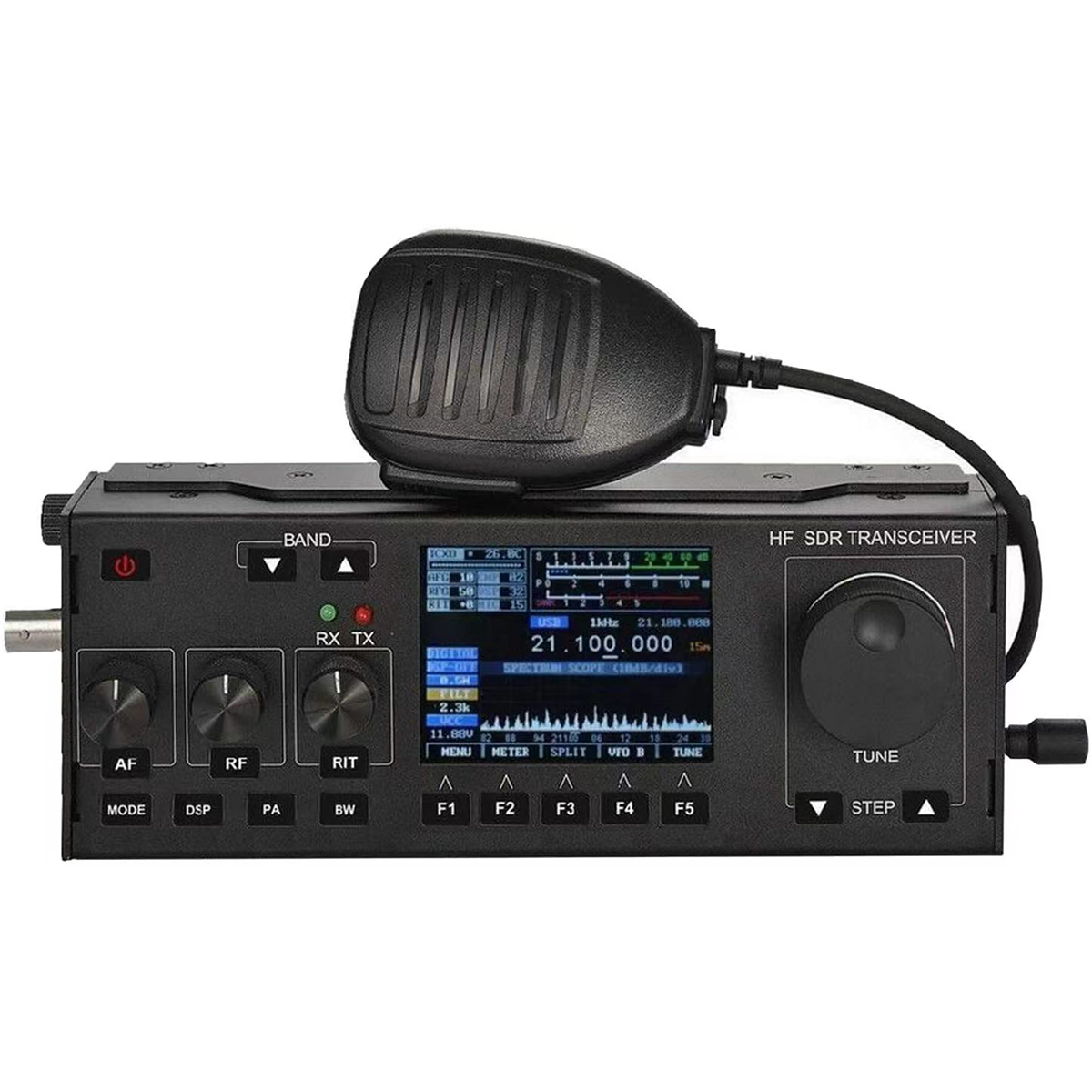
Base station CB radios serve as the main communication hub for many users. These radios remain fixed in one location, such as a home or office. They provide strong signals and reliable communication over longer distances. Designed for stability and power, base station CB radios offer features not commonly found in mobile or handheld units. Users who need consistent and clear communication often prefer these radios. They support a variety of uses, from emergency communication to hobbyist networks.
Power And Range
Base station CB radios typically have higher power outputs than other types. This power allows them to send signals farther and with better clarity. The range can reach up to 20 miles or more in open areas. Antenna quality and placement greatly affect the actual range. These radios often have adjustable power settings for different needs. Strong power combined with a good antenna ensures reliable communication.
Setup Requirements
Setting up a base station CB radio requires more effort than mobile units. Users must install a proper antenna, usually on a roof or tall pole. The radio needs a stable power source, often a dedicated power supply. Cables and connectors must be correctly attached to avoid signal loss. Some radios require grounding for safety and performance. Proper setup maximizes range and signal quality.
Common Applications
Base station CB radios are popular in several areas. Emergency responders use them for reliable local communication. Hobbyists enjoy long-distance talking with other CB enthusiasts. Businesses use base stations for coordinating work sites or fleets. Rural homes rely on them when other communication means fail. These radios offer a steady and powerful communication option for many users.
Cb Radio Antennas
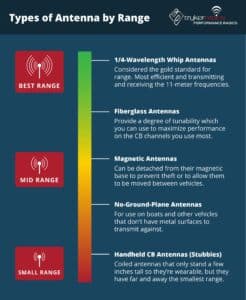
CB radio antennas play a vital role in the overall communication experience. They send and receive radio signals, affecting range and clarity. Choosing the right antenna and placing it well can improve your CB radio’s performance significantly. Understanding different antenna types and their placement helps users get the most out of their equipment.
Types Of Antennas
There are several antenna types for CB radios. The most common include whip antennas, magnetic mount antennas, and base station antennas. Whip antennas are long and flexible, often used on vehicles. Magnetic mount antennas attach easily to metal surfaces and are portable. Base station antennas are larger and fixed, providing better range from a home or office.
Antenna Placement
Proper antenna placement is crucial for good signal quality. Mount antennas as high as possible and in an open area. Avoid metal objects nearby that can block signals. For vehicles, the roof is the best spot. At home, use a tall mast or rooftop mount. Clear line of sight helps reduce signal loss and interference.
Impact On Performance
Antenna choice and placement directly affect CB radio performance. A good antenna improves signal strength and clarity. Poor placement or a low-quality antenna limits range and causes static. Matching the antenna to your radio and setup ensures better communication. Simple adjustments can result in clearer, farther-reaching conversations.
Range And Signal Factors
Range and signal quality are key factors for any CB radio user. Understanding what affects these elements helps improve communication. Several elements influence how far your signal travels and how clear it remains. These include the environment, radio setup, and technology used.
Terrain Effects
Hills, buildings, and trees block or weaken CB radio signals. Flat open areas let signals travel farther. Mountains can stop signals completely. Urban areas cause signal reflection and interference. Water bodies like lakes may help signals travel farther by reflecting waves. Choose your location and antenna position carefully to reduce terrain impact.
Propagation Modes
CB radios mainly use ground wave and skywave propagation. Ground waves follow the Earth’s surface and work best for short distances. Skywave signals bounce off the ionosphere, reaching much farther. This mode depends on weather and solar activity. Nighttime often improves skywave reach. Knowing these modes helps predict how your signal will behave.
Power Vs. Antenna Quality
More power does not always mean better range. The Federal Communications Commission limits CB radio power to 4 watts. Antenna quality and placement often matter more. A good antenna matches your radio and sits high and clear of obstructions. Proper tuning and a sturdy mount improve signal strength. Focus on antenna setup to get the best signal from your CB radio.
Legal And Regulatory Aspects
Understanding the legal and regulatory aspects of CB radios is crucial for safe and lawful operation. These rules help prevent interference with other communications and ensure fair use of the radio spectrum. Knowing these basics protects you from fines and legal trouble.
Licensing Rules
Most countries allow CB radios to be used without a license. Users must follow specific rules about power limits and equipment types. Some regions require a license for certain frequencies or higher power levels. Always check local laws before using a CB radio.
Frequency Restrictions
CB radios operate on designated channels set by authorities. Users must stay within these channels to avoid interfering with emergency or commercial services. Certain frequencies are reserved and off-limits to the public. Respecting these limits keeps communication clear for everyone.
Monitoring Practices
Monitoring CB channels is common for safety and coordination. Users listen before speaking to avoid interrupting ongoing conversations. Some services monitor emergency channels for distress signals. Following proper etiquette improves communication and helps in emergencies.
Emergency Use Of Cb Radios
CB radios serve as vital tools during emergencies. They provide a simple way to send and receive messages when other communication methods fail. In storms, accidents, or remote locations, CB radios keep people connected. Understanding their emergency use can save lives and reduce panic.
When To Use Cb Radios
Use CB radios in situations where cell phones do not work. Examples include natural disasters, road accidents, or power outages. They are also useful in rural areas with poor coverage. Always switch to emergency channels to reach help quickly. Keep your radio on to listen for urgent alerts.
Effective Communication Tips
Speak clearly and keep messages short. Use simple words to avoid confusion. Identify yourself and your location before sharing details. Stay calm and avoid unnecessary chatter. Repeat important information to ensure it is understood. Use the correct channel for emergencies only.
Role Of Volunteer Networks
Volunteer radio networks support emergency communication efforts. They help coordinate rescue and relief teams. These volunteers monitor emergency channels 24/7. They pass on critical information to authorities and victims. Being part of such a network increases your chances of receiving help fast. Many communities rely on these dedicated volunteers.
Choosing The Right Cb Radio
Choosing the right CB radio is important for clear communication. Different radios suit different needs. Picking one that fits your use ensures better performance and satisfaction. Consider what features you need, your budget, and trusted brands before buying.
Matching Features To Needs
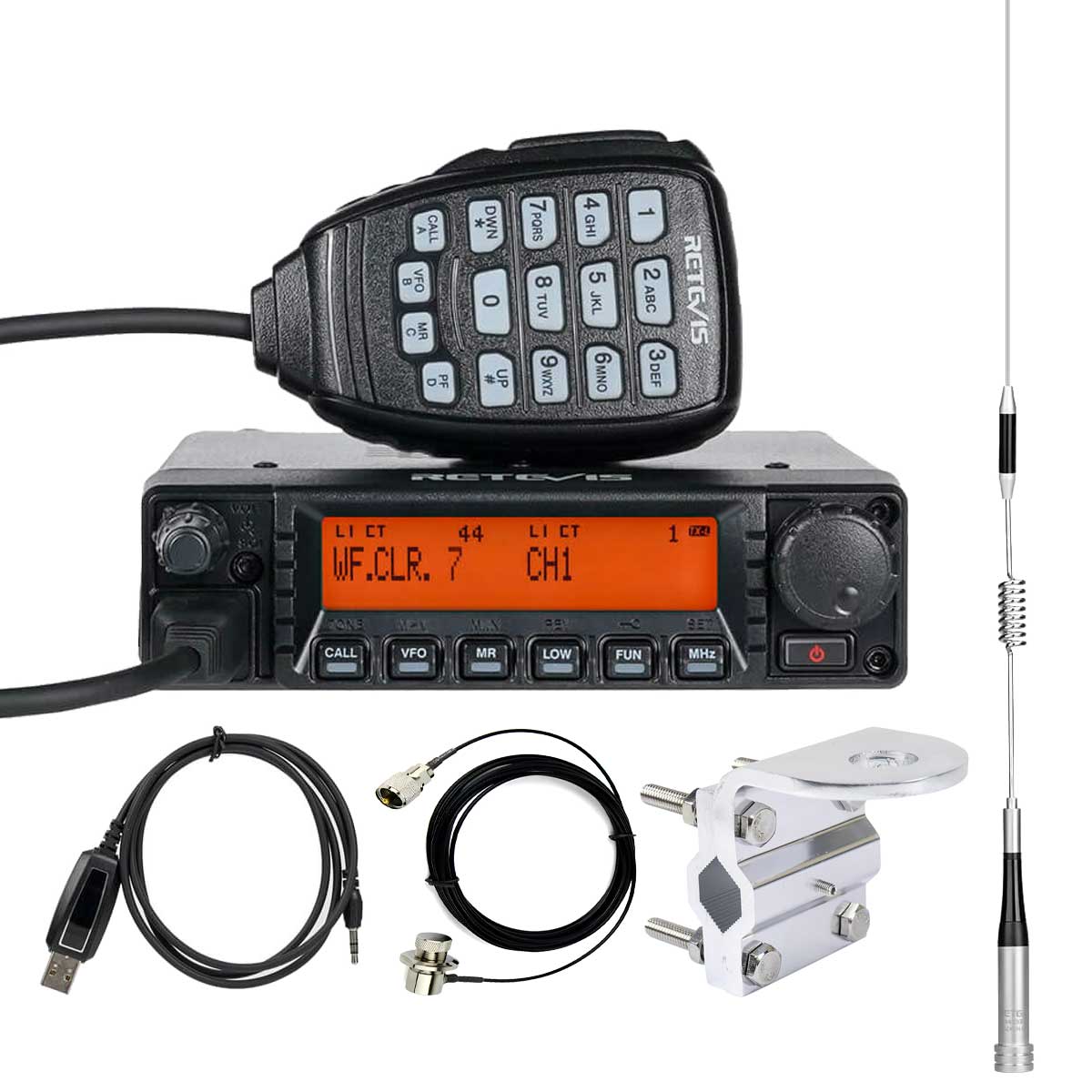
Think about how you will use the CB radio. Mobile radios work well in vehicles. Handheld radios are good for portability. Base station radios offer the best power and range but need a fixed spot. Look for features like channel scanning, noise filters, and power output. Choose features that match your daily use and environment.
Budget Considerations
CB radios come at many price points. Basic models are affordable and cover essential functions. Mid-range radios offer extra features and better sound. High-end radios provide top performance and durability. Set a clear budget before shopping. Balance cost with the features you really need to avoid overspending.
Popular Brands And Models
Some brands have earned trust for quality and reliability. Cobra, Uniden, and Midland are popular choices. Cobra radios are known for easy use and solid performance. Uniden offers advanced features and clear sound. Midland radios are budget-friendly with good basics. Research models with good reviews and user feedback.
Frequently Asked Questions
What Are The Different Types Of Cb Radios?
CB radios come in three main types: mobile, handheld, and base station. Mobile units suit vehicles, handhelds offer portability, and base stations provide powerful, stationary communication. Each type fits different needs and environments for effective two-way radio communication.
What Is The 3 3 3 Rule For Radio?
The 3 3 3 rule for radio means listening for 3 minutes, speaking for 3 minutes, then switching channels every 3 minutes. This keeps communication clear and efficient.
How Far Will A 100 Watt Cb Transmit?
A 100 watt CB radio typically transmits 3 to 20 miles on flat terrain. Range depends on antenna quality, terrain, and atmospheric conditions.
Is Cb Channel 9 Still Monitored?
CB channel 9 is rarely monitored officially today. Most law enforcement uses digital systems and cell phones instead. Some rural areas may still monitor it occasionally.
Conclusion
Choosing the right type of CB radio depends on your needs and usage. Mobile radios fit well in vehicles for easy communication on the road. Handheld radios offer portability and convenience for quick chats. Base station radios work best for home or fixed locations with powerful signals.
Each type has clear benefits to match different situations. Understanding these options helps you pick the best radio for clear and reliable communication. Keep your setup simple and suited to your lifestyle for the best results.