
When it comes to army communications, the right radio can make all the difference between mission success and failure. You might wonder, what types of army radios are out there, and how do they keep soldiers connected in the toughest conditions?
Whether you’re curious about the handheld radios soldiers carry, the powerful systems installed in vehicles, or the advanced satellite communication setups, this guide will walk you through the key types you need to know. By understanding these radios, you’ll see how technology ensures your team stays linked, safe, and effective on the battlefield.
Ready to explore the radios that keep armies connected? Let’s dive in.
Radio Frequency Bands
Army radios operate over different radio frequency bands. Each band serves unique communication needs. Frequency bands affect range, clarity, and signal strength. Choosing the right band ensures effective communication in diverse environments.
Very High Frequency (vhf)
VHF radios work between 30 MHz and 300 MHz. They offer good range and clear voice quality. VHF signals travel well over open terrain and water. These radios suit ground troops and vehicles in the field. VHF radios are common for tactical communication.
Ultra High Frequency (uhf)
UHF radios operate from 300 MHz to 3 GHz. They penetrate buildings and urban areas better than VHF. UHF bands support shorter-range communication with less interference. These radios are widely used in close combat and urban missions. UHF helps maintain secure links in complex environments.
Super High Frequency (shf)
SHF radios cover 3 GHz to 30 GHz frequencies. They enable high-data-rate transmission and point-to-point links. SHF is ideal for satellite communication and radar systems. These radios provide fast, reliable connections in battlefield networks. SHF radios support advanced military technologies.
Extremely High Frequency (ehf)
EHF radios use frequencies from 30 GHz to 300 GHz. They offer secure, jam-resistant communication channels. EHF is often used for satellite and missile communication. These radios perform well despite electronic warfare threats. EHF ensures critical command and control links stay open.
Form Factors Of Army Radios
Army radios come in various shapes and sizes. These shapes are called form factors. Each form factor serves a specific role on the battlefield. They meet different communication needs for soldiers and units. Understanding these helps reveal how the army stays connected during missions.
The form factors range from small radios for individual soldiers to large systems for vehicles and aircraft. Each type balances portability, power, and range. The right radio form factor can make a big difference in communication effectiveness.
Individual Soldier Radios
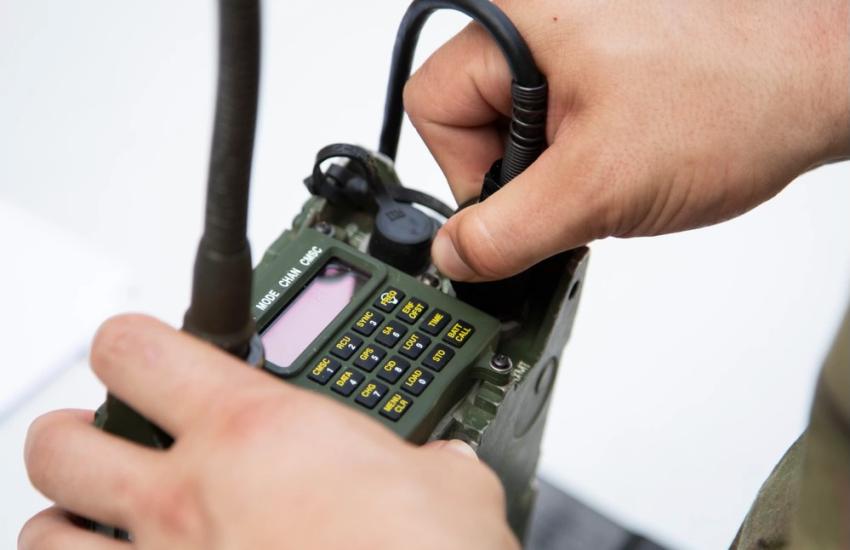
These radios are compact and lightweight. Soldiers carry them on their person. They provide short-range communication within squads. Many models support two or more channels. This lets soldiers communicate on multiple networks at once. They have simple controls for quick use in combat. Battery life is optimized for long missions.
Backpack-carried Radios
These radios are larger and more powerful. Soldiers wear them like backpacks. They offer longer range and stronger signals. These radios support advanced waveforms and encryption. They connect units over greater distances. The radios are rugged to survive harsh conditions. They require more power and often include larger batteries.
Vehicle And Ground Mobile Radios
Mounted in vehicles or ground stations, these radios provide high power. They cover wide areas and support many users. Vehicles use them to link troops and command centers. These radios handle multiple channels and complex data streams. They have stable antennas and power sources. Their size allows advanced features and higher transmission power.
Airborne Radios
Designed for aircraft, these radios support fast-moving units. They maintain communication at high speeds and altitudes. Airborne radios handle voice, data, and navigation signals. They are built to resist vibration and extreme conditions. These radios often connect air units with ground forces. Secure and reliable links are critical in air missions.
Key Technologies And Waveforms
Army radios rely on advanced technologies and specialized waveforms to maintain clear, secure communication. These systems adapt to complex environments and provide reliable links between soldiers, vehicles, and command centers. Understanding key technologies and waveforms helps explain how modern military radios achieve this performance.
Each technology focuses on specific communication needs, such as range, security, or network flexibility. Waveforms define how signals are structured and transmitted over the air. Together, they form the backbone of tactical radio communication.
Software-defined Radio (sdr)
Software-Defined Radio uses software to control radio functions. This design allows radios to switch frequencies and waveforms easily. SDR radios are flexible and can be updated without changing hardware. They support multiple communication standards in one device. This adaptability makes SDR vital for modern military operations.
Sincgars Waveform
The Single Channel Ground and Airborne Radio System (SINCGARS) waveform is common in Army radios. It works in the VHF band and provides secure voice and data links. SINCGARS uses frequency hopping to avoid jamming and interception. This waveform supports reliable communication on the battlefield.
Soldier Radio Waveform (srw)
Soldier Radio Waveform is designed for mobile, tactical networks. It enables soldiers to form ad-hoc networks without fixed infrastructure. SRW supports voice, data, and position information sharing. The waveform adapts to changing network conditions for continuous communication. This makes it ideal for small units on the move.
Mobile User Objective System (muos)
MUOS is a satellite communication system for global coverage. It uses geosynchronous satellites to connect radios worldwide. MUOS provides secure, high-capacity voice and data links. This technology extends communication beyond line-of-sight limits. It is essential for long-distance and remote operations.
Satellite Communications (satcom)
SATCOM radios link users via satellites in various orbits. They enable communication across vast distances and difficult terrain. SATCOM supports voice, video, and data transmissions with high security. These systems are key for command and control at strategic levels. They ensure connectivity in isolated or hostile areas.
Mobile Ad-hoc Networking (manet)
MANET technology lets radios form self-configuring networks. Each radio acts as a node that forwards data to others. This creates a flexible network with no central control. MANET improves communication in dynamic, dispersed environments. It helps maintain links even if some radios fail or move away.

Common Army Radio Models
Army radios play a vital role in military communication. They ensure troops stay connected during missions. Different radio models serve unique purposes. Each model offers specific features for various combat needs. Understanding common army radio models helps grasp how communication works in the field.
These radios vary in size, range, and technology. Some are portable for soldiers on foot. Others are vehicle-mounted or airborne. The choice depends on mission type and terrain. Below are some widely used army radio models.
Single Channel Ground And Airborne Radio System (sincgars)
SINCGARS is a very high frequency radio system. It supports secure voice and data transmission. This model helps ground and air units communicate easily. It uses frequency hopping to avoid enemy jamming. Its rugged design withstands harsh battlefield conditions. SINCGARS remains a standard for many armies worldwide.
Joint Tactical Radio System (jtrs)
JTRS is a software-defined radio system. It supports multiple waveforms and networks. This flexibility allows forces to adapt quickly. JTRS radios connect different military branches seamlessly. They provide both voice and data services. The system enhances interoperability among allied forces.
Small Form Fit (sff) Radios
SFF radios are compact and lightweight. They fit easily on a soldier’s gear. Despite their size, they deliver reliable communication. These radios often include encryption for security. Their small size helps soldiers stay agile. SFF radios suit close combat and reconnaissance missions.
Tactical Scalable Manet (tsm)
TSM radios create a mobile ad hoc network (MANET). They allow units to form a flexible communication mesh. This network adapts as troops move in the field. TSM supports real-time data sharing and voice calls. It enhances situational awareness among soldiers. The system scales to cover large or small groups.
Features And Benefits
Army radios come with features designed to support soldiers under tough conditions. These features improve communication, safety, and mission success. Understanding the benefits helps appreciate why each type of radio is chosen for specific roles.
Battery Conservation
Many army radios use power-saving modes to extend battery life. This feature is vital during long missions with limited charging options. Radios switch to low power when inactive, preserving energy for urgent communication. Soldiers rely on this to stay connected without quickly draining batteries.
Secure Encryption
Encryption protects messages from interception by enemies. Army radios use strong encryption methods to keep conversations private. Secure communication prevents sensitive information from falling into the wrong hands. This builds trust among troops and commanders alike.
Interoperability
Radios must work with different systems and units to ensure smooth teamwork. Interoperability allows radios from various manufacturers to connect easily. This feature supports joint missions with allies and different army branches. It reduces communication breakdowns in the field.
Range And Power
Army radios vary in range depending on their power output and design. Some radios cover short distances for squad-level talks. Others reach miles to connect command centers and distant units. Powerful radios maintain signal strength in challenging environments.
Ease Of Use In Combat
Radios are designed for quick and simple operation under stress. Large buttons and clear displays help soldiers use radios with gloves or in low light. Intuitive controls reduce errors and save time during combat. Reliable radios keep communication steady in chaos.
Frequently Asked Questions
What Are The Different Types Of Military Radios?
Military radios include handheld, backpack, vehicle-mounted, and airborne types. Key technologies feature SINCGARS, SDR, SRW, MUOS, SATCOM, and MANET for secure, versatile communication.
What Is The 3 3 3 Rule For Radio?
The 3-3-3 rule in radio means: listen for 3 minutes, transmit for 3 minutes, then wait 3 minutes before repeating. It helps manage communication efficiently.
What Are The Different Types Of Radios?
Different types of radios include AM, FM, shortwave, longwave, satellite, Ham, DAB, walkie-talkies, and HD radio. Each uses distinct frequencies or technologies for communication.
What Is The Army Radio Called?
The Army radio is called SINCGARS (Single Channel Ground and Airborne Radio System). It is a VHF combat-net radio used for secure voice and data communication by U. S. and allied forces.
Conclusion
Army radios come in many types, each serving a clear purpose. Some are small and fit in a soldier’s hand, while others are larger and carried on the back. Vehicle and airborne radios help maintain communication across wider areas. Technologies like software-defined radios make communication flexible and reliable.
Understanding these types helps appreciate how soldiers stay connected. Clear and steady communication is vital for success and safety in the field. Choosing the right radio depends on the mission’s needs and environment. This knowledge ensures effective use of army radios in any situation.