
If you’re curious about shortwave radios and wonder which type suits your needs best, you’re in the right place. Shortwave radios aren’t just gadgets; they’re powerful tools that connect you to the world in ways few other devices can.
Whether you want to listen to distant broadcasts, stay informed during emergencies, or dive into the hobby of amateur radio, understanding the different types of shortwave radios is key. You’ll discover the main categories of shortwave radios, what makes each unique, and how to choose the perfect one for your listening style.
Keep reading to unlock the full potential of your shortwave radio experience!
Shortwave Radio Varieties
Shortwave radios come in many types. Each type fits different needs and uses. Some radios are simple and easy to carry. Others offer advanced features for serious listeners. Understanding these varieties helps you pick the right one. Here are the main shortwave radio types you can find.
Portable Radios
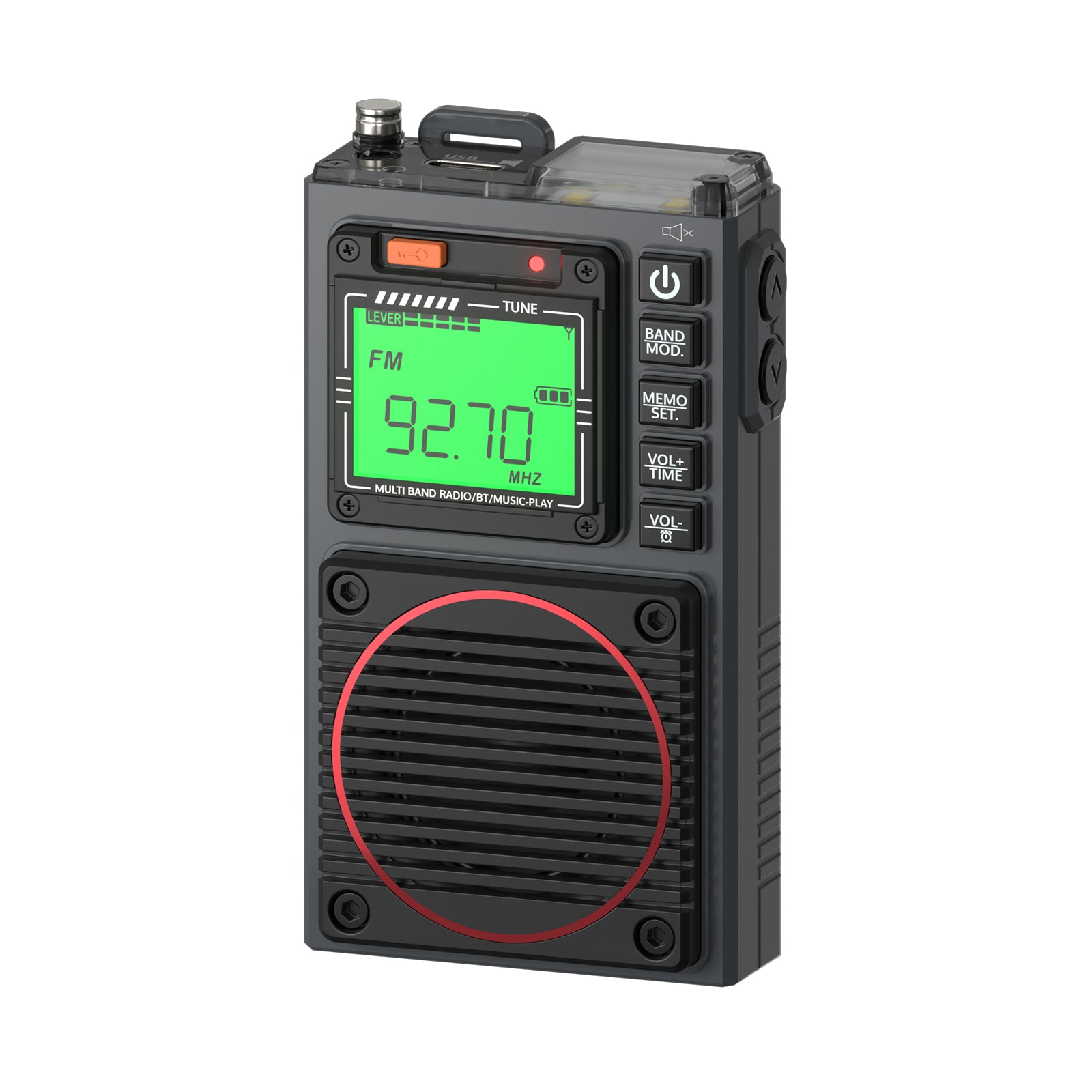
Portable radios are small and light. They run on batteries, making them easy to use outside. These radios work well for travel and outdoor activities. Many have basic controls and decent reception. Some include features like digital tuning and backlit displays.
Desktop Models
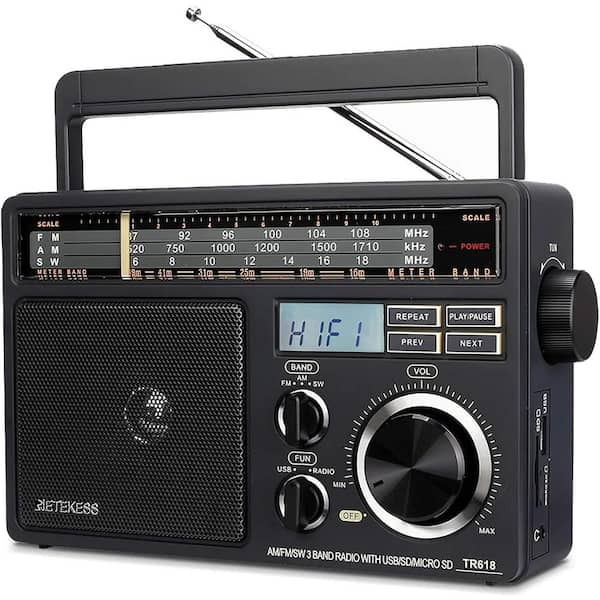
Desktop models are larger and stay in one place. They provide stronger signals and clearer sound. These radios have more controls and better speakers. Many come with antennas for improved reception. They suit home use and serious shortwave listening.
Software Defined Radios
Software Defined Radios (SDRs) use a computer or smartphone. They convert radio signals into digital data. SDRs offer flexible tuning and advanced features. Users can see signal patterns and record broadcasts. They are popular among hobbyists and tech enthusiasts.
Emergency Radios
Emergency radios focus on safety and preparedness. They include features like NOAA weather alerts and flashlights. Many have hand-crank or solar power options. These radios are reliable when power is out. They are essential for emergency kits and outdoor survival.
Key Features To Look For
Choosing the right shortwave radio means understanding which features matter most. These features affect reception quality, ease of use, and overall experience. Focus on technology that enhances clarity and expands listening options. Look for radios built to support various signals and connections. The right features make a big difference in enjoying shortwave broadcasts.
Single Sideband (ssb)
SSB is a key feature for serious listeners. It allows you to receive amateur radio and utility stations clearly. Many shortwave broadcasts use SSB to reduce noise and interference. Radios with SSB help you hear distant signals better. This feature is essential for hobbyists and emergency communication.
Digital Signal Processing (dsp)
DSP improves audio quality by filtering unwanted noise. It makes weak signals easier to hear. Radios with DSP offer sharper sound and better selectivity. This means you can tune into crowded bands without overlap. DSP enhances your listening experience by cleaning up the signal.
External Antenna Support
An external antenna jack boosts reception range and signal strength. It allows connection to larger antennas for clearer audio. This feature is useful in areas with weak signals. External antennas improve the radio’s performance outdoors and indoors. Radios supporting this feature give more flexibility in setup.
Bluetooth And Connectivity
Bluetooth lets you connect your radio to headphones or speakers wirelessly. Some radios also support USB or SD card slots for recording or playback. Connectivity features add convenience and modern use to traditional radios. They allow you to enjoy shortwave listening in new ways. Easy connections make radios more versatile for daily use.
Top Shortwave Radio Brands
Choosing the right shortwave radio brand matters for performance and reliability. Some brands stand out for quality, features, and user experience. These top brands offer radios that suit beginners and experts alike. They focus on clear reception, durability, and ease of use. Explore the best shortwave radio brands below to find your perfect match.
Eton Radios
Eton Radios are well-known for durability and clear sound. They offer models with strong reception and simple controls. Many come with extra features like weather alerts. Eton radios suit outdoor use and emergency situations. Their designs focus on user comfort and long battery life.
C. Crane
C. Crane radios deliver excellent audio and advanced tuning options. They include radios with digital signal processing to reduce noise. Many models support external antennas for better reception. C. Crane radios are popular among hobbyists and travelers. Their products balance performance with ease of use.
Radioddity
Radioddity makes budget-friendly radios with solid features. They include portable and desktop models with wide frequency coverage. Radioddity radios often support single sideband (SSB) for amateur radio listening. These radios appeal to those starting in shortwave listening. Their products offer good value without sacrificing quality.
Airspy Hf+ Discovery
AirSpy HF+ Discovery is a software-defined radio (SDR) for serious listeners. It captures a wide frequency range with high sensitivity. This radio offers clear audio with low noise levels. It works well with computers for advanced signal analysis. AirSpy suits enthusiasts who want detailed control over reception.
User Groups And Uses
Shortwave radios serve many groups worldwide. Each user group relies on specific features and capabilities. Understanding these groups helps you choose the right radio. Uses vary from hobby listening to critical communication.
Amateur Radio Enthusiasts
Amateur radio users enjoy talking across long distances. They use shortwave radios to connect with others globally. Single Sideband (SSB) is vital for clear voice signals. Many enjoy experimenting with antennas and frequencies. This group values radios with strong reception and transmission.
Emergency Responders
Emergency teams depend on shortwave radios for reliable communication. Radios work well even when other networks fail. They use them during natural disasters and crises. Portability and durability are key features for responders. Clear audio and easy tuning help save lives.
Maritime And Aviation
Ships and planes use shortwave radios to stay in touch. Long-distance communication is crucial at sea and in the air. Radios provide weather reports, navigation updates, and emergency alerts. These users need radios with stable reception and good range. Many radios include features for safety and monitoring.
Government And Diplomacy
Governments use shortwave radios for secure and global communication. Diplomats rely on radios to receive news and official messages. Radios help monitor international broadcasts and signals. Reliability and signal clarity are top priorities. This group often uses advanced and encrypted models.
Developing Regions
Shortwave radios provide vital access to news and education. They reach remote areas without internet or phone service. Radios help people stay informed about health, weather, and local events. Simple and affordable radios are popular in these regions. They support community connection and learning.
Recent Trends And Changes
Shortwave radio has experienced many changes in recent years. These shifts shape how people use and listen to shortwave radios today. The technology and the audience both evolve. Understanding these trends helps enthusiasts and newcomers alike to stay informed about the current state of shortwave listening.
Broadcast Reductions In The West
Many Western countries have cut back on shortwave broadcasts. Governments and broadcasters find other ways to reach audiences. Budget cuts and new technologies affect these decisions. This has led to fewer stations transmitting on traditional shortwave bands. Listeners must adapt to a smaller selection of Western broadcasts.
Rise Of Internet Streaming
The internet has changed how people listen to radio. Streaming allows access to stations worldwide without shortwave radios. Many broadcasters now offer live streams and podcasts online. This shift attracts younger listeners and those without radio equipment. Internet streaming complements shortwave listening rather than replacing it completely.
Survival Of Dedicated Broadcasters
Some broadcasters continue to support shortwave transmissions strongly. They serve remote areas and emergency communication needs. These stations keep shortwave alive for specific audiences. Enthusiasts appreciate the unique experience shortwave offers. Dedicated broadcasters focus on quality and reliability in their signals.
Choosing The Right Shortwave Radio
Choosing the right shortwave radio depends on your needs and budget. Radios vary in features, size, and price. Some are simple and affordable, while others offer advanced options for experts. Understanding these types helps you pick a model that fits your lifestyle.
Consider how often you will use the radio and where. Travel, casual listening, or serious hobbyist use all require different models. Power source, sound quality, and ease of use also matter. Let’s explore popular categories to guide your choice.
Budget Options
Budget radios offer basic shortwave reception at low prices. They are easy to use and good for beginners. Expect decent sound but fewer advanced features. Most budget models run on batteries and have built-in antennas. These radios suit casual listeners or first-time buyers.
Premium Picks
Premium radios provide better sound and more functions. They include digital tuning, external antenna ports, and multiple bands. These radios are built with durable materials for long use. Ideal for users who want clear reception and advanced controls. Premium models often support SSB (Single Sideband) for better signal clarity.
Travel-friendly Models
Travel radios are compact and lightweight for easy carrying. They often have rechargeable batteries or USB charging. These models focus on portability without losing reception quality. Some include AM/FM and weather bands. Great for travelers who want to stay connected worldwide.
Radios For Serious Listeners
Serious listeners prefer radios with advanced features like DSP (Digital Signal Processing). These radios pick up weak signals with high clarity. They may support software-defined radio (SDR) functions. These models allow fine-tuning and logging of stations. Perfect for hobbyists and professionals who want the best experience.
Where To Find Shortwave Stations
Finding shortwave stations is the first step to enjoying shortwave radio. Many stations broadcast worldwide at different times and frequencies. Some focus on news, culture, or music. Others share local stories or amateur radio signals. Knowing where to tune helps you catch clear signals and diverse content.
Active International Broadcasters
Many countries run shortwave broadcasters to reach global listeners. These include the BBC World Service, Voice of America, and Radio Japan. They send programs in several languages. Their schedules change by season and time zone. Tuning in early morning or late evening often works best. These stations offer news, music, and cultural shows from around the world.
Community And Amateur Stations
Community stations serve local or regional audiences with unique content. They often share local news and events. Amateur radio operators also use shortwave bands to chat worldwide. They send voice, Morse code, or digital signals. These stations appear at random times. Listening requires patience and some trial tuning. They add variety and excitement to shortwave listening.
Online Resources And Forums
Websites and forums help listeners find and track shortwave stations. Sites like The SWLing Post and RadioReference.com list station schedules. They also offer tips on reception and equipment. Online communities share real-time reception reports and advice. Forums connect beginners and experts for support. These resources keep you updated and improve your listening experience.

Frequently Asked Questions
What Is The Best Shortwave Radio?
The best shortwave radio depends on needs. AirSpy HF+ Discovery suits serious enthusiasts. Eton Elite offers great value. Choose radios with SSB, DSP, and external antenna for optimal reception. Portable models excel for travel and outdoor use.
What Is Sw1 And Sw2 Radio?
SW1 and SW2 radios are shortwave receivers covering different frequency bands. They enable long-distance communication and global radio listening.
Do People Still Use Shortwave Radios?
Yes, people still use shortwave radios for amateur communication, emergency services, maritime, aviation, and global broadcasts. They provide reliable, long-distance signals where internet access is limited. Hobbyists enjoy connecting worldwide, while authorities rely on shortwave for secure and resilient communication during disasters and remote operations.
How To Choose A Shortwave Radio?
Choose a shortwave radio by considering SSB capability, DSP features, and external antenna support. Prioritize portability, frequency range, and user reviews. Select based on your budget and intended use, such as travel, hobby, or emergency communication.
Conclusion
Choosing the right shortwave radio depends on your needs and budget. Portable models suit travelers, while premium radios serve serious listeners. Features like SSB and digital signal processing improve listening quality. External antennas help catch distant signals clearly. Shortwave radios remain useful for emergencies and hobbyists worldwide.
Explore options and enjoy the unique experience of global radio waves.