
When it comes to staying connected on the water, choosing the right VHF radio can make all the difference for your safety and communication. But did you know there are several types of VHF radios, each designed to meet different needs?
Whether you’re a seasoned sailor, a weekend boater, or just starting out, understanding the options available will help you pick the perfect radio for your situation. You’ll discover the main types of VHF radios, what makes each unique, and how to decide which one fits your lifestyle and safety requirements.
Keep reading to ensure you have the right tool to stay connected and protected on every voyage.

Handheld Vhf Radios
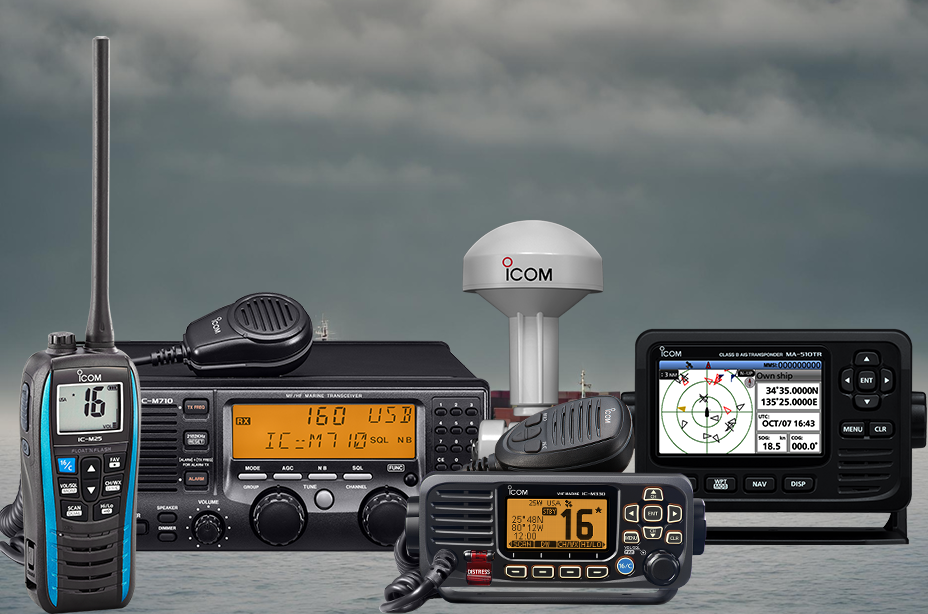
Handheld VHF radios are compact devices designed for communication over short distances. These radios operate on very high frequency (VHF) bands and are popular for marine, outdoor, and emergency use. Their small size allows easy carrying and quick access in urgent situations. They provide reliable communication without the need for fixed installation.
Portability And Features
Handheld VHF radios are light and easy to carry. Their compact design fits in your hand or pocket. Many models include features like waterproof casing, built-in flashlights, and noise-canceling microphones. Some radios also offer weather alerts and channel scanning. These features enhance communication and safety during use.
Battery Life And Durability
These radios use rechargeable batteries that last several hours on a full charge. Battery life varies by model but generally supports a full day of typical use. Handheld VHF radios often have rugged bodies that resist water, dust, and impacts. This durability makes them suitable for harsh environments.
Ideal Uses
Handheld VHF radios work well for boating, hiking, and emergency situations. Boaters use them to communicate with other vessels and coast guards. Outdoor enthusiasts rely on these radios to stay connected in remote areas. Emergency responders find handheld radios helpful for quick, reliable communication during crises.
Fixed Mount Vhf Radios
Fixed mount VHF radios are popular choices for boats and vehicles needing stable communication. These radios are installed in one place and connect to a dedicated antenna. They provide reliable signal strength and clear audio quality. Users often prefer fixed mount radios for their durability and consistent performance during long trips.
Installation And Power
Fixed mount VHF radios require professional or careful installation. They connect directly to the vehicle or boat’s power system. This setup allows continuous power without battery concerns. The radios must be wired to a strong power source for best results. Proper installation ensures stable operation and avoids electrical issues.
Enhanced Range And Performance
Fixed mount radios have larger antennas than handheld models. This boosts their range and signal clarity. The higher power output helps reach distant stations easily. They perform well in rough weather and crowded signal areas. Enhanced range makes them ideal for sea and land communication over wide distances.
Advanced Functions
Many fixed mount VHF radios include advanced features. Digital Selective Calling (DSC) allows quick emergency alerts. Some models integrate GPS for location sharing and tracking. Noise reduction technology improves call clarity in noisy environments. These functions increase safety and ease of use for all operators.
Dsc-enabled Vhf Radios
DSC-enabled VHF radios add a crucial digital feature to traditional marine communication. These radios use Digital Selective Calling (DSC) technology to enhance safety at sea. The system allows users to send automated distress signals and communicate more precisely. DSC radios improve emergency response and make marine communication more reliable.
Digital Selective Calling Basics
DSC is a digital protocol used in marine radios. It sends pre-programmed digital messages to specific stations. This includes distress alerts and routine calls. Each DSC radio has a unique Maritime Mobile Service Identity (MMSI) number. It helps identify the vessel in digital communications. DSC reduces the need for voice calls, making communication faster and clearer.
Emergency Signaling
DSC radios can send instant distress alerts. A simple button press sends a digital SOS message. This alert includes the vessel’s identity and location if GPS is connected. Rescue teams receive the signal immediately. This quick response can save lives during emergencies. DSC radios also allow selective calls to nearby vessels for assistance.
Regulatory Requirements
Many countries require DSC capability on marine VHF radios. International maritime laws support DSC use for safety. The Global Maritime Distress and Safety System (GMDSS) mandates DSC radios on certain vessels. Operators often need a license to use DSC radios. Proper registration of the MMSI number is also required. This ensures effective communication in emergency situations.
Standard Vhf Radios
Standard VHF radios are common communication devices used on land. They provide clear voice transmission over short to medium distances. These radios operate on specific frequency ranges suited for various land-based uses. Their design fits everyday communication needs but lacks features for harsh environments like the sea. Understanding their role helps choose the right VHF radio for different applications.
Land-based Applications
Standard VHF radios serve police, fire, and emergency teams. They are popular in construction, event coordination, and security. These radios help teams stay connected in urban and rural settings. Communication is fast and reliable in these environments. Many personal and business users depend on standard VHF radios daily.
Frequency Bands
Standard VHF radios operate between 30 MHz and 300 MHz. Common channels include business, public safety, and amateur radio bands. These frequencies support various communication needs on land. The channels avoid interference with marine or aviation signals. Frequency use often requires licensing depending on local laws.
Limitations At Sea
Standard VHF radios are not built for marine conditions. They lack waterproofing and corrosion resistance needed at sea. These radios do not include marine-specific channels like weather alerts. Range may be limited due to antenna design and power output. Using standard VHF radios on boats can be unsafe and illegal in many places.
Marine Vhf Radio Features
Marine VHF radios are essential tools for safe communication at sea. They offer features designed specifically for maritime conditions. These radios help boaters stay connected, receive weather updates, and send emergency signals. Understanding key features helps choose the right marine VHF radio for your needs.
Waterproof And Floating Designs
Marine VHF radios often come with waterproof cases. This protects them from water splashes and rain. Some models also float on water. Floating radios prevent loss if dropped overboard. These designs ensure the radio works in tough marine environments.
Noaa Weather Channels
Most marine VHF radios include NOAA weather channels. These channels provide real-time weather alerts. Boaters get warnings about storms, high winds, and other hazards. Access to accurate weather updates improves safety on the water.
Gps Integration
Many marine VHF radios have built-in GPS. GPS helps track your exact location. This feature is useful during emergencies. It allows quick sending of your position to rescue teams. GPS integration also supports Digital Selective Calling (DSC) for automatic distress alerts.

Choosing The Right Vhf Radio
Choosing the right VHF radio is essential for clear and reliable communication. The perfect radio matches your specific needs and environment. Consider your communication goals, legal rules, and budget before buying. This guide helps you pick the best VHF radio for your use.
Assessing Communication Needs
Start by thinking about where and how you will use the radio. Handheld radios work well for short trips and small boats. Fixed-mounted radios suit larger vessels and long-distance communication. Check if you need features like weather alerts or GPS. Knowing your purpose helps narrow down your choices.
Legal And Licensing Considerations
VHF radios often require licenses depending on your location. Some radios need a license to operate on certain channels. Learn the rules in your area to avoid fines. Use radios approved for marine or land use only. Follow local laws for safe and legal communication.
Budget And Brand Options
Set a budget before shopping for a VHF radio. Prices vary by features and brand reputation. Well-known brands offer reliable performance and support. Cheaper models may lack durability or important functions. Choose a radio that balances cost with quality and features.
Frequently Asked Questions
What Are The Different Types Of Vhf Radios?
VHF radios include handheld and fixed-mount types. Handheld models offer portability, while fixed radios provide higher power and range. Marine VHF radios feature waterproof designs, weather channels, and GPS integration for safety and communication at sea.
What Is The Difference Between Vhf Channel 16 And 70?
VHF Channel 16 is the international distress and calling channel for marine communication. Channel 70 is reserved exclusively for digital selective calling (DSC) alerts, enhancing safety by automating emergency signals.
What Is The Difference Between Vhf Radio And Marine Radio?
VHF radios operate on various frequencies for land use, while marine radios are designed for sea communication. Marine radios include weather alerts, GPS, waterproof builds, and meet maritime laws. Standard VHF radios lack marine features and legal approval for maritime use.
What Is The Difference Between 1w And 25w Vhf Radios?
1W VHF radios have lower power, offering shorter range ideal for close communication. 25W radios provide stronger signals and wider range, suitable for open water and emergencies. Higher wattage ensures better clarity and connection over long distances. Choose based on your communication needs and environment.
Conclusion
VHF radios come in different types to fit various needs. Handheld models offer portability and ease of use. Fixed-mount radios provide stronger signals and more features. Marine VHF radios include weather alerts and safety functions. Choosing the right type depends on your situation and use.
Understanding these options helps in making a smart choice. Stay safe and connected with the proper VHF radio.