
Have you ever wondered why some radio stations sound crystal clear while others crackle with static? Or why certain channels reach far beyond your city, while others only play to your neighborhood?
Understanding the different types of radio channels can change the way you listen—and even how you choose what to tune into next. Whether you’re a music lover craving high-quality sound, a news junkie needing reliable updates, or simply curious about how radio waves travel, this guide will give you the inside scoop.
Get ready to explore the unique features of AM, FM, digital, and internet radio channels—and discover which one fits your listening style perfectly. Keep reading, and you’ll never look at your radio dial the same way again!

Am Radio Channels
AM radio channels have been a key part of broadcasting for over a century. They use amplitude modulation to send audio signals over long distances. These channels remain popular for news, talk shows, and sports broadcasts. Their unique transmission method allows them to cover wide areas, especially during nighttime.
Transmission Method
AM radio changes the strength of the signal to carry sound. This method varies the amplitude of the carrier wave. The frequency stays constant while the amplitude shifts. Radios then decode these changes into sound.
Range And Coverage
AM radio signals travel far, especially at night. The waves can bounce off the ionosphere, reaching distant places. This makes AM useful for rural and wide-area coverage. Daytime signals usually cover smaller regions due to interference.
Audio Quality
AM radio sound quality is lower than FM. It often has static and noise. This happens because of interference from electronic devices and weather. The audio is clear enough for speech but less ideal for music.
Common Uses
AM radio mainly broadcasts talk shows, news, and sports. Its long-range ability makes it perfect for emergency alerts. Many local stations use AM to reach broad audiences. It also serves communities in remote areas.
Fm Radio Channels
FM radio channels use frequency modulation to send audio signals. They are common worldwide for music and talk radio. FM delivers clear and crisp sound. It has unique benefits and some limits in coverage. Understanding these aspects helps in choosing the right radio channel for listening or broadcasting.
Transmission Method
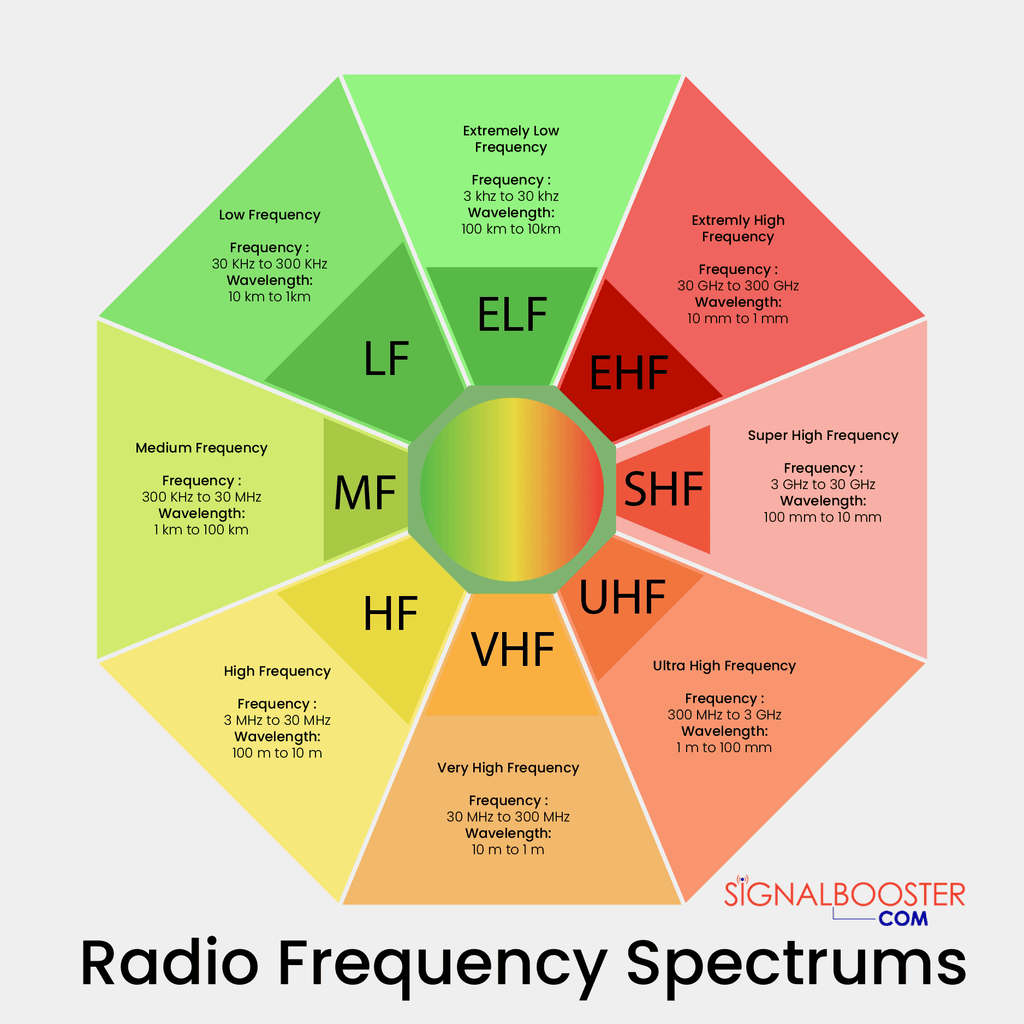
FM radio works by changing the frequency of the carrier wave. The signal’s frequency varies with the audio input. This differs from AM radio, which changes the signal’s amplitude. FM uses Very High Frequency (VHF) bands, usually between 88 and 108 MHz. This method reduces noise and interference during transmission.
Sound Quality Advantages
FM radio offers high-quality sound with less static. It produces clear and sharp audio, especially for music. The signal is less affected by electrical interference. FM also supports stereo sound, improving the listening experience. These qualities make FM popular for entertainment and music stations.
Range Limitations
FM signals travel in straight lines and are blocked by obstacles. Mountains, buildings, and distance reduce the signal strength. Typically, FM radio reaches up to 30 to 40 miles from the transmitter. Weather conditions can also affect the coverage area. These limits make FM less suitable for long-distance broadcasting.
Popular Applications
FM radio is widely used for music and talk shows. Local radio stations prefer FM for its sound clarity. It is common in cars, homes, and portable radios. Many emergency services use FM for reliable local communication. FM channels also support community and educational broadcasts.
Shortwave Radio Channels
Shortwave radio channels use high-frequency waves to send signals across long distances. They can travel beyond national borders and oceans. This ability makes shortwave radio a vital tool for global communication.
Listeners can access broadcasts from various countries. Shortwave radios work well in remote areas where internet and other signals are weak.
Frequency Bands
Shortwave radio operates mainly between 3 MHz and 30 MHz. This range is divided into several smaller bands. Each band serves different purposes and times of day. Broadcasters choose bands based on their target audience and signal reach.
Global Reach
Shortwave signals can travel thousands of miles. They bounce off the Earth’s ionosphere to reach far places. This feature allows radios to receive international news and programs. It supports communication in areas with limited media access.
Propagation Characteristics
Shortwave signals reflect off the ionosphere, enabling long-distance travel. These signals vary with the time of day and solar activity. At night, signals can reach farther due to ionospheric changes. Weather and atmospheric conditions also affect reception.
Typical Content
Shortwave channels often feature news, cultural programs, and music. Many governments use it for international broadcasting. It also carries emergency information and educational content. Listeners enjoy diverse voices and languages from around the world.

Digital Radio Channels
Digital radio channels offer a modern way to enjoy radio broadcasts. They deliver clearer sound and more options than traditional analog radio. These channels use digital signals to transmit audio, reducing noise and interference. Listeners can access a wide variety of stations from different locations easily. Digital radio is becoming more popular worldwide due to its convenience and quality.
Digital Audio Broadcasting (dab)
Digital Audio Broadcasting, or DAB, is a popular digital radio format. It transmits multiple radio stations on a single frequency. DAB offers better sound quality and more channels than analog FM. It also allows broadcasters to send text and images alongside audio. Many countries have adopted DAB for public and commercial radio services.
Internet Radio
Internet radio streams audio over the internet instead of traditional airwaves. It provides access to thousands of stations globally. Listeners can hear niche music, talk shows, and live events anytime. Internet radio works on computers, smartphones, and smart speakers. No antenna is required, making it highly accessible.
Advantages Over Analog
Digital radio delivers clear sound without static or hiss. It uses bandwidth efficiently, allowing more stations to broadcast. Listeners get consistent audio quality regardless of distance. Digital radio can include extra features like song titles and program information. It also supports interactive services and emergency alerts.
Device Compatibility
Many modern devices support digital radio channels. Car stereos, home receivers, and smartphones often include DAB or internet radio apps. Digital radios are simple to use and provide instant station tuning. Some devices combine analog and digital reception for broader access. Compatibility continues to improve as digital radio grows worldwide.
Specialized Radio Channels
Specialized radio channels serve unique communities and purposes beyond mainstream broadcasting. They focus on niche audiences and local interests. These channels provide valuable content often overlooked by commercial stations. Their programming encourages participation and offers a personal touch.
Community Radio
Community radio stations are local and nonprofit. They give a voice to small towns or specific neighborhoods. Programs often include local news, culture, and events. Listeners can contribute by sharing stories or music. These stations build strong community bonds.
Campus And Student Stations
Campus radio is run by students at schools or universities. It offers a platform for young voices and creativity. Music, talk shows, and educational content are common. These stations help students learn broadcasting skills. They connect the campus with the broader public.
Hospital Radio
Hospital radio serves patients and staff in medical facilities. It provides entertainment and comfort during recovery. Programs may include soothing music and health information. Volunteers often produce and present the shows. This service helps improve patient wellbeing.
Public And Non-profit Broadcasting
Public radio is funded by the government or donations. It offers educational and cultural programs without commercial pressure. Non-profit stations focus on serving the public interest. They cover topics like news, arts, and public affairs. These channels promote learning and awareness.
Choosing Between Am And Fm
Choosing between AM and FM radio channels depends on specific needs and situations. Each type offers unique advantages. Understanding these differences helps you pick the best option for your listening experience.
Sound Quality Needs
FM radio delivers clear, crisp sound. It handles music and vocals with high fidelity. AM radio often has static and lower sound quality. It works well for talk shows and news where sound detail is less critical.
Range Requirements
AM radio signals travel farther, especially at night. They cover large areas and rural locations effectively. FM signals have a shorter range but maintain better quality within that range. FM suits urban and suburban areas with many listeners close to the transmitter.
Content Type Considerations
FM stations mostly broadcast music and entertainment. AM stations focus on news, sports, and talk radio. The choice depends on the type of content you prefer. Music lovers often favor FM for its sound clarity.
Environmental Factors
AM signals are affected by electrical interference and weather conditions. FM signals resist static and provide steady sound in urban environments. Mountains and buildings can block FM signals, reducing coverage in some areas.
Frequently Asked Questions
What Are The Different Types Of Radio Channels?
Radio channels include AM (Amplitude Modulation), FM (Frequency Modulation), shortwave, and digital/internet radio. Each type serves different purposes and coverage areas.
What Types Of Radio Stations Are There?
Radio stations include AM (Amplitude Modulation), FM (Frequency Modulation), shortwave, digital, internet, community, public, and campus radio. Each type serves different audiences and purposes, offering varied sound quality, range, and content formats.
What Are The Four Types Of Radio?
The four types of radio are AM (Amplitude Modulation), FM (Frequency Modulation), Digital Audio Broadcasting (DAB), and Internet Radio. Each uses different technology for transmitting audio to listeners.
Which One Is Better, Am Or Fm?
FM provides clearer sound and suits music, while AM covers longer distances, ideal for news and emergencies. Choose based on content needs.
Conclusion
Radio channels come in various types, each with unique features. AM offers long-range signals but more static. FM provides clearer sound but covers smaller areas. Shortwave reaches global audiences, while internet radio streams worldwide instantly. Understanding these helps you appreciate radio’s diversity.
Different channels serve different listening needs. Whether for music, news, or talk shows, radio remains a powerful communication tool. Exploring these types makes tuning in more enjoyable and informed. Radio continues to connect people across distances and cultures every day.