
When you tune into FM radio, you’re stepping into a world full of variety—different stations, sounds, and technologies all designed to bring you the best listening experience. But did you know there are actually several types of FM radio, each with its own unique features and uses?
Whether you’re a casual listener or someone curious about how your favorite music or talk shows reach your ears, understanding these types can change the way you enjoy your radio time. You’ll discover the main types of FM radio, how they work, and why they matter to you.
Ready to explore what makes FM radio more than just background noise? Let’s dive in!
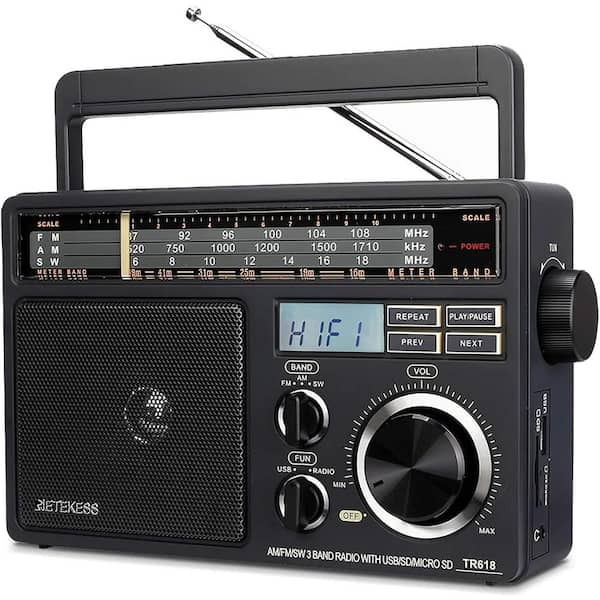
Fm Radio Categories
FM radio offers various categories to serve different audiences and purposes. Each category targets specific listeners and delivers tailored content. Understanding these categories helps appreciate how FM radio connects communities and regions.
Local Stations
Local stations focus on small towns or cities. They play music, news, and events relevant to nearby listeners. These stations create a close bond with their audience. They often feature local artists and community announcements.
Community Stations
Community stations are nonprofit and run by volunteers. They give a voice to diverse groups and cultures. These stations promote local issues and support social causes. Community stations encourage listener participation and local talent.
Regional Stations
Regional stations cover larger areas like counties or states. They offer a mix of music, news, and regional events. These stations balance local content with broader topics. Regional stations often attract advertisers from multiple cities.
National Stations
National stations broadcast across entire countries. They provide popular music, national news, and talk shows. These stations reach millions of listeners daily. National stations shape public opinion and set trends.

Broadcast Types
FM radio offers various broadcast types that serve different audiences and purposes. Each type of broadcast focuses on specific content and funding methods. Understanding these helps listeners find stations that match their interests and needs.
Commercial Radio
Commercial radio stations operate for profit. They air advertisements to earn revenue. These stations play popular music and shows to attract large audiences. They often target broad demographics to maximize listener numbers. The content is designed to entertain and keep listeners tuned in.
Non-commercial Radio
Non-commercial radio stations do not air ads. They rely on donations and grants to operate. These stations often focus on community issues and local news. They provide a platform for voices not heard on commercial stations. Their goal is to serve public interest and education.
Educational Radio
Educational radio broadcasts focus on learning and teaching. Schools and universities often run these stations. They provide lectures, language lessons, and educational programs. These stations aim to inform listeners and promote knowledge. The content is structured to support formal and informal education.
Religious Radio
Religious radio stations share faith-based content. They broadcast sermons, prayers, and religious music. These stations serve specific religious communities and promote spiritual growth. They often encourage community involvement and support. Their purpose is to strengthen faith through radio outreach.
Modulation Varieties
Modulation varieties define how FM radio signals carry information. Different types affect sound quality and bandwidth use. Understanding these helps to choose the right FM system for specific needs.
Wideband Fm
Wideband FM uses a large frequency range to send signals. It offers better sound quality and less noise. This type is common in music and high-fidelity broadcasts. Wideband FM requires more bandwidth but delivers clearer audio. It is popular in commercial radio stations.
Narrowband Fm
Narrowband FM uses a smaller frequency range. It is mostly for voice communication, like in walkie-talkies and two-way radios. Sound quality is lower than wideband FM but bandwidth use is efficient. Narrowband FM helps save spectrum space in crowded radio channels. It suits applications where clarity is less critical.
Stereo And Multiplex Fm
Stereo and Multiplex FM are key developments in FM radio technology. They allow FM stations to broadcast richer and more detailed sound. These systems improve the listening experience by delivering two separate audio channels through a single FM signal.
This technology makes music sound more natural and immersive. It also supports additional audio services alongside the main program. Understanding Stereo and Multiplex FM helps appreciate how modern FM radio works.
Stereo Fm
Stereo FM transmits two audio channels: left and right. This creates a sense of space and direction in sound. Listeners can hear instruments and voices as if they are in a live setting. Stereo FM doubles the audio quality compared to mono FM.
It uses special signal processing to combine both channels into one broadcast. The radio receiver then separates the channels back into stereo sound. This system is common in music radio stations worldwide.
Multiplex Operation
Multiplex FM carries multiple signals on the same frequency. It combines the main audio with extra information like stereo signals or data. This is done by adding subcarriers to the main FM signal.
Multiplexing allows FM stations to transmit stereo sound and additional services. These can include traffic updates or song information. It maximizes the use of the available radio bandwidth efficiently.
Pilot Tone
The pilot tone is a small signal within the FM broadcast. It helps the radio receiver detect and decode stereo signals. This tone usually has a frequency of 19 kHz.
The receiver uses the pilot tone to separate left and right audio channels. Without it, the stereo sound would not work correctly. The pilot tone is essential for clear and stable stereo reception.
Fm Radio Features
FM radio offers various features that make listening enjoyable and practical. Each type of FM radio brings unique benefits and technology. Understanding these features helps to choose the right radio for daily use. The main types include analog, digital, and internet FM radios.
Analog Fm Radios
Analog FM radios use traditional frequency modulation signals. They offer clear sound with minimal interference. Users tune manually to their favorite stations. These radios often have simple controls and long battery life. Analog radios work well in areas with strong signal coverage.
Digital Fm Radios
Digital FM radios provide improved sound quality over analog. They use digital signals to reduce noise and static. Many models feature automatic tuning and station presets. Digital radios can display song titles and station information. They deliver a more consistent listening experience.
Internet Fm Radios
Internet FM radios stream stations through Wi-Fi connections. They access thousands of global stations and podcasts. Users can explore diverse content beyond local broadcast range. These radios often support apps and smart home integration. Internet FM radios require an active internet connection to work.
Specialized Fm Radios
Specialized FM radios serve unique purposes beyond regular music and news broadcasting. These radios cater to hobbyists, professionals, and enthusiasts who need specific features and frequencies. Each type offers unique functions and supports different communication needs.
Ham And Amateur Radios
Ham radios allow users to communicate over long distances. Operators can talk locally or worldwide using various frequency bands. These radios support emergency communication and public service events. They require a license to operate legally.
Shortwave Fm Radios
Shortwave FM radios receive signals from faraway stations. They are popular for listening to international broadcasts. These radios can pick up signals from thousands of miles away. They offer a window to global cultures and news.
Scanner Radios
Scanner radios scan multiple frequencies automatically. They pick up police, fire, and emergency service communications. Many models cover FM and other bands. These radios help users stay informed about local events.
Weather And Marine Fm Radios
Weather FM radios provide real-time weather updates and alerts. They are essential for outdoor activities and emergencies. Marine FM radios support communication on waterways. They ensure safety for boaters and sailors.
Fm Radio Technology
FM radio technology delivers clear sound by varying signal frequency. It transmits music and speech with less noise than AM radio. Understanding its basics helps appreciate how FM works and why it sounds better. The technology uses special techniques to improve audio quality for listeners worldwide.
Frequency Modulation Basics
Frequency modulation changes the radio wave’s frequency to carry sound. Unlike AM, which varies amplitude, FM varies frequency around a center point. This makes FM more resistant to interference and static. The receiver detects these frequency changes and converts them back to sound. This simple method improves clarity and reduces noise.
Pre-emphasis And De-emphasis
Pre-emphasis boosts high-frequency sounds before transmission. This step helps protect these sounds from noise during broadcasting. At the receiver, de-emphasis lowers those high frequencies back to normal. This balance reduces hiss and improves overall sound quality. The process ensures voices and music sound crisp and clear.
Audio Fidelity Factors
Audio fidelity means how accurately sound is reproduced. FM radio uses wide bandwidth to carry more sound detail. The transmitter and receiver quality also affect clarity and richness. Antenna design and signal strength influence the listening experience. Together, these factors create the high-quality sound FM radio is known for.

Frequently Asked Questions
What Are The Different Types Of Fm Radio?
FM radio types include commercial, non-commercial, community, educational, and religious stations. They broadcast in wideband FM for music and narrowband FM for voice communication.
What Are The Types Of Fm?
FM types include wideband FM for high-fidelity broadcasts and narrowband FM for voice communication. FM also supports analog TV sound.
What Are The Four Types Of Radio?
The four types of radio are AM (Amplitude Modulation), FM (Frequency Modulation), Digital Audio Broadcasting (DAB), and Internet Radio. Each type offers unique transmission methods and audio quality suited for different listening experiences.
What Are Different Types Of Radios?
Different types of radios include AM, FM, digital audio broadcasting (DAB), internet radio, shortwave, ham, and two-way radios.
Conclusion
FM radio offers various types to suit different needs and places. Local FM stations serve small communities with targeted content. Regional and national FM stations cover wider areas with diverse programs. Commercial FM radios focus on advertising and entertainment. Non-commercial and educational FM radios provide learning and public service.
Religious FM radios share spiritual messages and music. Each type uses frequency modulation to deliver clear sound. Understanding these types helps you enjoy FM radio better. Choose the right FM radio based on your listening preferences and location.