
Are you thinking about upgrading your TV but feel overwhelmed by all the options? Understanding the different types of QLED TVs can help you make the best choice for your home and budget.
Whether you want stunning picture quality, smart features, or a sleek design, knowing what each type offers will save you time and money. Keep reading to discover the key differences and find the perfect QLED TV that fits your needs perfectly.
Your ideal viewing experience is closer than you think.
Qled Technology Basics
QLED technology has become popular in recent years. It offers bright colors and sharp images. Understanding the basics helps you choose the right TV. QLED stands for Quantum Dot Light Emitting Diode. This technology uses tiny particles called quantum dots.
These dots improve the screen’s color and brightness. They work with LED backlighting to create vivid pictures. Let’s explore how QLED works and its key features.
How Qled Works
QLED TVs use a layer of quantum dots between the LED backlight and the screen. These dots glow when light hits them. Each dot produces a specific color. This makes the colors on the screen brighter and more accurate.
The TV controls the light to make dark and bright areas clear. This results in better contrast and sharp images. The technology also helps the TV display more colors than regular LED TVs.
Key Features
QLED TVs offer high brightness, which is great for well-lit rooms. They show vibrant colors that look natural. The picture stays clear even when viewed from an angle. QLED screens are also durable and last longer than some other types.
They usually have a fast response time, which reduces blurring in fast scenes. Many models support 4K or even 8K resolution for detailed images. QLED technology also saves energy compared to older TV types.
Standard Qled Tvs
Standard QLED TVs offer a great balance of quality and price. They use quantum dot technology to produce bright, vivid colors. These TVs work well in various lighting conditions, making them suitable for most rooms. They deliver sharp images and good contrast, enhancing everyday TV watching. Standard QLED models meet the needs of regular users without extra features found in premium versions.
Display Quality
Standard QLED TVs provide bright screens with rich colors. They show clear details in both dark and bright scenes. The quantum dots improve color accuracy, making images more natural. Motion looks smooth, which is good for sports and movies. These TVs support high dynamic range (HDR), adding more depth to visuals.
Price Range
Prices for standard QLED TVs start at a mid-range level. They are more affordable than premium QLED models but cost more than basic LED TVs. This price range suits people wanting good quality without paying too much. Many brands offer standard QLEDs with different sizes and features to fit various budgets.
Qled 8k Tvs
QLED 8K TVs represent the highest level of television technology today. They offer a resolution that is four times higher than 4K TVs. This means sharper images and more details. The screen is so clear that even large TVs look perfect up close. These TVs use quantum dots to boost brightness and colors. The result is a vivid and lifelike picture that enhances your viewing experience. QLED 8K TVs are ideal for those who want the best picture quality available.
Resolution Benefits
8K resolution shows 7680 x 4320 pixels on the screen. This means more pixels create clearer images. Small details become visible, improving picture depth. Watching sports or nature documentaries feels more real. The extra pixels also reduce blur during fast movements. You see smoother and sharper action scenes. Large screens benefit most from 8K because the image stays clear. QLED technology boosts brightness and color accuracy further.
Content Availability
True 8K content is limited but growing. Some streaming services offer 8K videos. YouTube has 8K videos from creators worldwide. Most movies and shows are still in 4K or lower. QLED 8K TVs use upscaling to improve lower resolution content. Upscaling makes 4K or HD videos look better on 8K screens. This helps users enjoy sharp pictures even without 8K content. New content will increase as 8K TVs become more popular.
Qled Gaming Tvs
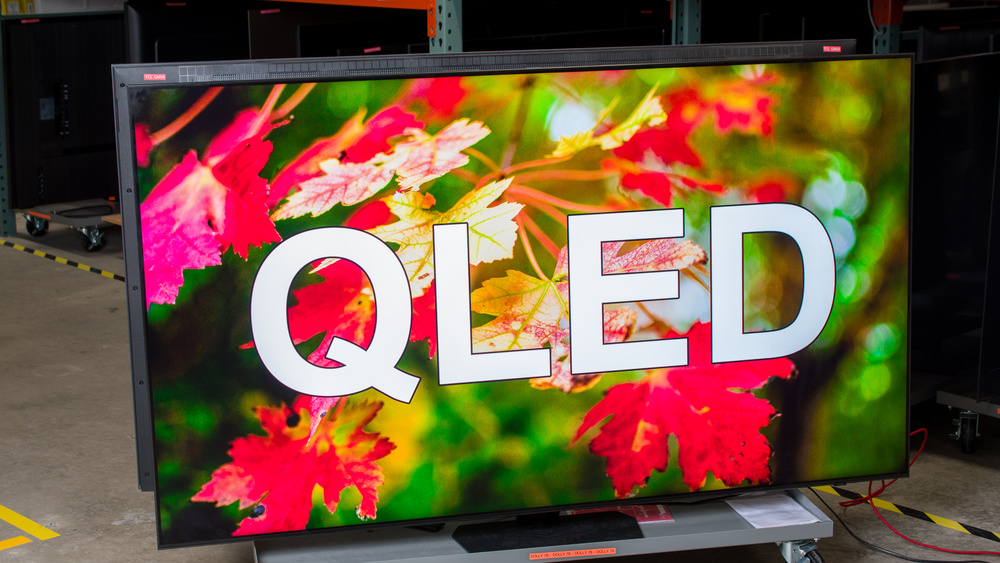
QLED Gaming TVs offer an excellent experience for players who want sharp images and bright colors. These TVs use Quantum Dot technology to show vivid pictures. They handle fast action scenes smoothly, which is important for gaming. Many models come with features designed specifically for gaming, such as low input lag and high refresh rates. These features help make gameplay more responsive and enjoyable.
Refresh Rates
Refresh rate tells how many times the screen updates per second. Higher refresh rates mean smoother motion. Most QLED Gaming TVs support 120Hz or more. This helps reduce blurring during fast scenes. Some models even have variable refresh rates. This matches the TV’s refresh rate with the game’s frame rate. The result is less screen tearing and better visuals.
Input Lag
Input lag is the delay between pressing a button and seeing the action. Low input lag is crucial for gaming. QLED Gaming TVs often have input lag below 20 milliseconds. This ensures quick response times. Many also include a Game Mode to reduce lag. This mode turns off extra processing that slows the picture. Players can enjoy fast and smooth gameplay with minimal delay.
Qled Smart Tvs
QLED Smart TVs combine stunning picture quality with smart features. These TVs use Quantum Dot technology for bright, vibrant colors. They connect to the internet, offering apps and streaming services. Smart functions make watching TV more fun and easier.
Operating Systems
QLED Smart TVs run on different operating systems. Samsung uses Tizen OS, known for its smooth and fast interface. Other brands may use Android TV or Google TV. Each system offers unique features and settings. The choice affects user experience and app availability.
App Support
These TVs support many popular apps. Streaming services like Netflix, YouTube, and Amazon Prime are common. Some models offer app stores for extra downloads. Users can watch movies, listen to music, and play games. Regular updates improve app performance and add new options.
Qled Vs Oled Tvs
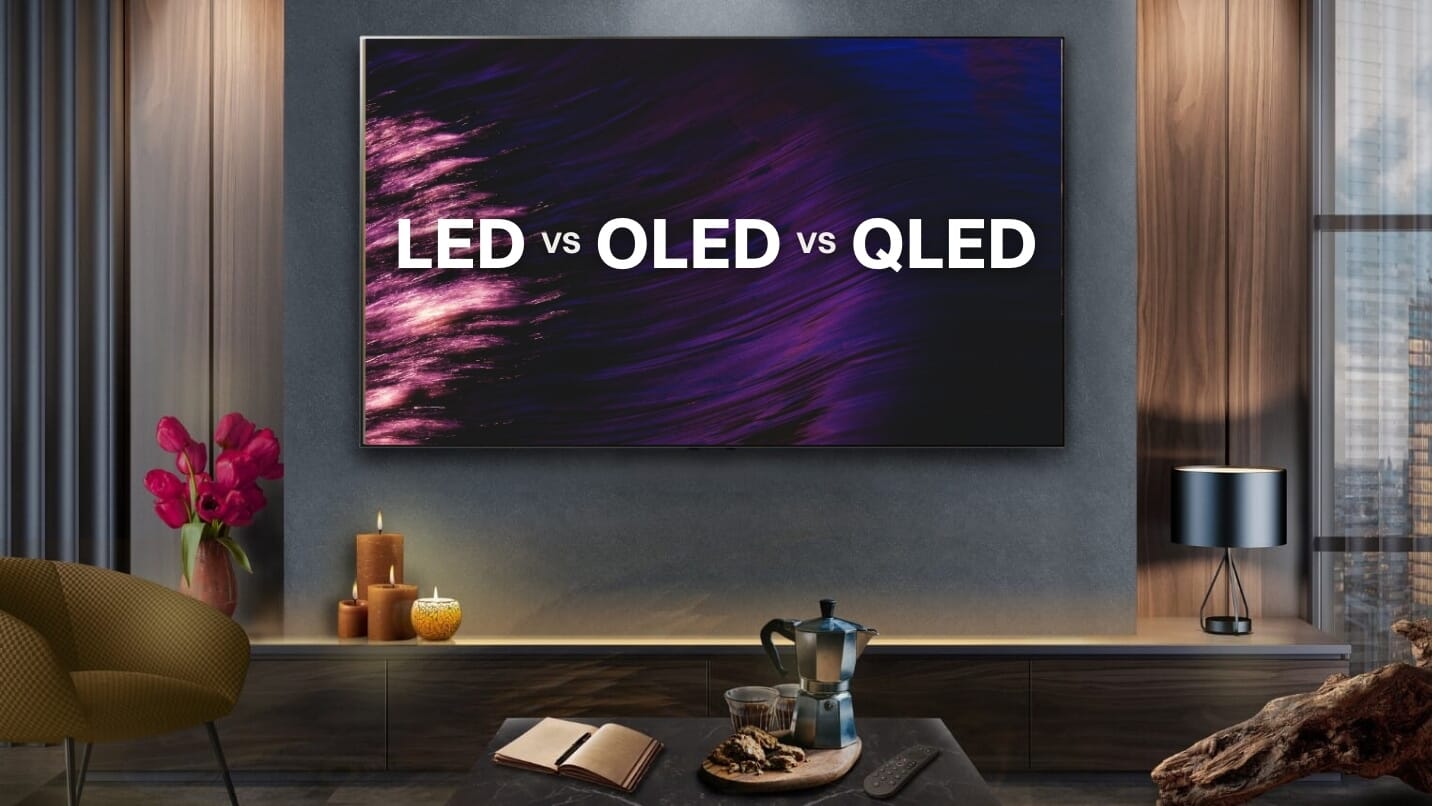
QLED and OLED TVs are popular types of screens. Both offer great picture quality but work differently. Understanding their differences helps in choosing the right TV for your needs.
Brightness And Colors
QLED TVs use a backlight to shine through tiny dots. This makes them very bright. Brightness helps in well-lit rooms. Colors on QLEDs look vivid and sharp. They cover a wide range of colors.
OLED TVs create light from each pixel. This allows perfect black levels and great contrast. Colors on OLEDs appear rich and natural. However, OLEDs are less bright than QLEDs. They work best in darker rooms.
Viewing Angles
QLED screens lose color and brightness at wide angles. Watching from the side can look faded. This can affect group viewing experiences.
OLED TVs keep colors and brightness at almost any angle. You can sit anywhere and see the same picture quality. This makes OLEDs good for wide seating areas.
Choosing The Right Qled Tv
Choosing the right QLED TV can change how you enjoy movies and shows. It is important to find a TV that fits your space and your wallet. Different QLED TVs offer various features and sizes. Knowing what suits your needs helps you pick the best one. Consider where you will place the TV and how much you want to spend. This guide will help you make a good choice.
Room Size Considerations
Measure the room where the TV will go. Small rooms need smaller screens for clear viewing. Large rooms work well with bigger screens for a better view. Also, think about the distance between the TV and where you sit. Sitting too close can hurt your eyes. Sitting too far may make the picture hard to see. Choose a screen size that matches your room and seating.
Budget Factors
QLED TVs come in many price ranges. Decide how much money you want to spend. Higher prices usually mean better picture quality and extra features. Lower-cost models still offer good images but fewer extras. Check for sales and deals to save money. Balance your budget with the features you need. This way, you get a TV that fits your price and needs.
Frequently Asked Questions
What Are The Main Types Of Qled Tvs Available?
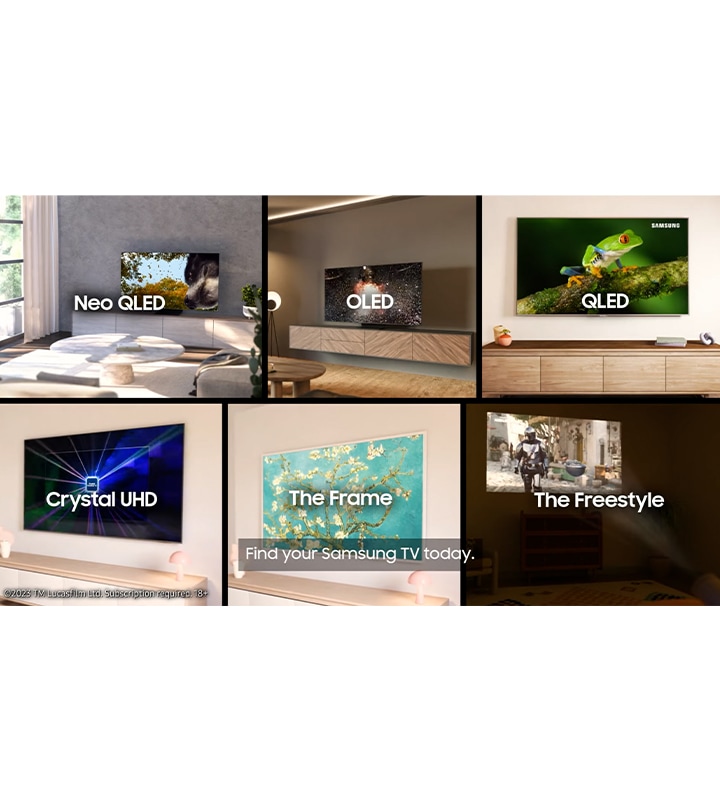
QLED TVs mainly come in standard LED, Mini-LED, and 8K resolution types. Each type offers different brightness and clarity levels. Choosing depends on your budget and viewing needs.
How Does Mini-led Qled Differ From Regular Qled?
Mini-LED uses smaller LEDs for backlighting, giving better brightness and contrast. It improves picture quality in dark scenes and reduces light bleeding. This type is more advanced than regular QLED.
What Benefits Do 8k Qled Tvs Offer?
8K QLED TVs display four times more pixels than 4K models, resulting in sharper images. They provide clearer details on very large screens. However, 8K content is still limited.
Are Qled Tvs Better Than Oled Tvs?
QLED TVs usually offer higher brightness and last longer without burn-in issues. OLEDs have better black levels and wider viewing angles. The choice depends on your viewing habits and room lighting.
Can Qled Tvs Display Hdr Content Effectively?
Yes, QLED TVs support HDR, enhancing color and contrast for a vivid picture. They can show bright highlights and deep shadows well. HDR makes movies and games look more lifelike.
Conclusion
QLED TVs come in different types to suit various needs. Each type offers unique features and picture quality. Choosing the right QLED TV depends on your budget and room size. Remember to consider screen size, resolution, and brightness. This helps you enjoy clear and vibrant images.
Understanding these types makes buying easier and smarter. Explore options carefully to find the best fit for your home. QLED technology brings bright colors and sharp details to your viewing. Now, you can pick a TV that matches your style and preferences.