
Are you confused about which TV provider suits your needs best? With so many options out there, choosing the right one can feel overwhelming.
Whether you want crystal-clear picture quality, a wide range of channels, or budget-friendly plans, knowing the different types of TV providers can help you make the best choice. You’ll discover the main types of TV providers, what they offer, and how to pick the perfect one for your home.
Keep reading to find the TV service that fits your lifestyle and keeps you entertained without any hassle.
Cable Tv Providers
Cable TV providers deliver television services using coaxial or fiber-optic cables. They offer many channels and reliable signals. Cable TV remains popular in urban and suburban areas. It provides access to local, national, and premium channels. Many households still prefer cable for its variety and consistent quality.
Major Cable Companies
Several big companies dominate the cable TV market. Comcast Xfinity is one of the largest providers in the US. Spectrum serves millions with a wide channel selection. Cox Communications offers cable TV mainly in southern states. These companies often bundle TV with internet and phone services. Each company varies by coverage and pricing.
Package Options
Cable providers offer different packages to fit needs and budgets. Basic packages include local channels and some popular networks. Expanded options add sports, movies, and premium channels. Pay-per-view and on-demand services are often available. Customers can choose HD or standard definition plans. Bundling with internet or phone may reduce costs.
Pros And Cons
Cable TV provides steady, high-quality picture and sound. It offers many channels and special features. No internet is needed for cable service. Installation is usually professional and quick. On the downside, cable can be more expensive than other options. Contracts may lock customers in for long periods. Equipment rental fees add to monthly costs. Service outages can occur, though rarely.
Satellite Tv Providers
Satellite TV providers deliver television signals through satellites orbiting Earth. This technology allows access to many channels in areas without cable or fiber internet. Satellite TV works well in rural places and spots with limited internet options. It offers a wide range of channels, including sports, movies, and international content.
Popular Satellite Services
Top satellite TV providers include DIRECTV and Dish Network. They offer many channel packages to suit different tastes and budgets. These services often include HD channels, pay-per-view options, and special sports packages. Customers can pick plans with local and international channels.
Installation And Equipment
Satellite TV needs a dish antenna installed outside your home. The dish points at a satellite in space to receive signals. A set-top box connects the dish to your TV, decoding the channels. Professional installation ensures the dish is correctly aligned. Some providers offer self-install kits for simple setups.
Coverage Areas
Satellite TV covers almost all areas in the country. It works in places where cable and fiber do not reach. Remote and rural locations benefit most from satellite signals. Weather can affect signal quality, causing brief interruptions. Still, satellite TV remains a strong option for wide coverage.
Streaming Tv Services
Streaming TV services have changed how people watch shows and movies. They offer many choices without traditional cable or satellite. Viewers can watch on their own time. This flexibility fits busy schedules and varied tastes.
These services vary in cost and content. Some require a monthly fee, while others are free. Many stream live TV, movies, and exclusive series. The ease of access makes streaming very popular today.
Subscription-based Platforms
Subscription-based platforms charge a monthly fee. Popular examples include Netflix, Hulu, and Disney+. They provide a large library of movies and shows. Many offer original content you cannot find elsewhere. Subscriptions often come with no ads. Some platforms allow downloads for offline viewing.
Free Streaming Options
Free streaming services offer movies and shows without cost. They earn money through ads shown during programs. Examples include Pluto TV, Tubi, and Crackle. Content may include older movies and TV series. These services are good for budget-conscious viewers. The selection changes often, keeping things fresh.
Device Compatibility
Most streaming services work on many devices. Smart TVs, smartphones, tablets, and computers support streaming apps. Some also work with streaming devices like Roku or Chromecast. This wide compatibility lets users watch anywhere. Easy setup helps beginners start watching quickly.
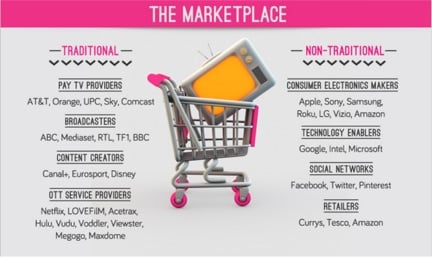
Iptv Providers
IPTV providers deliver television content through the internet. Instead of traditional satellite or cable signals, they use your internet connection. This method allows users to stream live TV and on-demand videos on various devices. IPTV is growing because it offers flexibility and a wide range of channels.
How Iptv Works
IPTV sends TV programs using internet protocol networks. It breaks the video into small data packets. These packets travel through your internet connection to your device. Your device then reassembles the packets to show the video. This process happens in real time, allowing live streaming and video on demand.
Top Iptv Services
Several IPTV providers offer different packages and channels. Popular services include Sling TV, Hulu + Live TV, and YouTube TV. These providers offer a mix of live channels and on-demand content. They support multiple devices such as smart TVs, phones, and tablets. Each service varies in price and channel selection.
Benefits And Drawbacks
IPTV offers many benefits. It provides access to a large variety of channels worldwide. Users can watch shows on multiple devices anywhere with internet. IPTV also allows pausing and recording live TV. However, it depends heavily on internet speed. Slow connections cause buffering and poor video quality. Some services may have limited local channels. Subscription costs can also add up over time.
Over-the-air Tv
Over-the-Air TV offers free access to local television channels. You can watch news, sports, and entertainment without a monthly fee. This type of TV uses signals broadcast by local stations. A digital antenna picks up these signals and sends them to your TV. It is a simple way to enjoy live TV with clear picture quality.
Antenna Types
Indoor antennas are small and easy to install. They work well near broadcast towers. Outdoor antennas are larger and catch signals from far away. They must be mounted outside, often on the roof. Directional antennas focus on signals from one direction. Omnidirectional antennas receive signals from all around. Choosing the right antenna depends on your location and signal strength.
Channel Availability
Channel options vary by location. Big cities usually have many channels. Rural areas may have fewer stations to receive. Channels include local news, weather, sports, and public TV. Digital signals mean better picture and sound than old analog TV. Some channels broadcast in high definition. You can check channel maps online to know what you can get.
Cost Considerations
Over-the-Air TV has low costs. You pay once for the antenna. No monthly subscription fees are needed. Installation costs vary by antenna type. Some antennas are inexpensive and simple to set up. Outdoor antennas might need professional installation, adding to cost. No extra fees for channel packages or equipment rentals.

Frequently Asked Questions
What Are The Main Types Of Tv Providers Available?
TV providers include cable, satellite, IPTV, streaming services, and over-the-air options. Each type offers different channels and features. Choosing depends on your location and viewing habits.
How Does Cable Tv Differ From Satellite Tv?
Cable TV uses underground wires, while satellite TV uses signals from space. Cable offers stable service in cities; satellite works well in remote areas. Prices and channel options may vary.
What Is Iptv And Why Is It Popular?
IPTV delivers TV through the internet rather than cables or satellites. It allows on-demand content and live TV with good internet speed. Many users like its flexibility and variety.
Can Streaming Services Replace Traditional Tv Providers?
Streaming services offer shows and movies online without a cable box. They often cost less and allow watching on many devices. But they need a strong internet connection to work well.
Are Free Over-the-air Tv Channels Still Useful Today?
Yes, over-the-air TV provides local news and major networks for free. It requires an antenna and works without internet or monthly fees. Good option for budget-conscious viewers.
Conclusion
Choosing the right TV provider depends on your needs and budget. Cable, satellite, and streaming each offer unique benefits. Some provide many channels, while others focus on flexibility. Think about what matters most: cost, channel variety, or convenience. Compare options carefully before deciding.
This helps you enjoy TV your way. Stay informed and pick a provider that fits your lifestyle. Watching TV should be simple and fun for everyone.