
When you need to communicate over long distances, choosing the right radio can make all the difference. Whether you’re an outdoor adventurer, a professional on the job, or someone who wants to stay connected during emergencies, understanding the types of long range radios available is key to finding the perfect fit for your needs.
You’ll discover the main categories of long range radios, how they work, and which one suits your situation best. Keep reading to unlock the power of clear, reliable communication no matter where you are.
Frequency Bands
Frequency bands are the backbone of long range radio communication. They determine how far and how well signals travel. Different frequency bands suit different uses and environments. Choosing the right band improves your radio’s performance and range.
Radio signals behave differently across frequency bands. Some bands travel further but need larger antennas. Others work better in cities with many obstacles. Understanding these bands helps you pick the best radio for your needs.
Vhf Radios
VHF stands for Very High Frequency. It covers frequencies from 30 MHz to 300 MHz. VHF radios are ideal for outdoor use and open areas.
These radios work well in forests, fields, and rural locations. VHF signals travel in straight lines and can reach long distances. They handle natural obstacles like trees better than higher frequencies.
VHF radios often have larger antennas. This helps them send and receive signals over many miles. They are popular for boating, hiking, and emergency services.
Uhf Radios
UHF means Ultra High Frequency, ranging from 300 MHz to 3 GHz. UHF radios work best in urban environments with buildings and walls.
Their shorter wavelengths allow signals to pass through obstacles easily. UHF radios provide clear communication inside buildings and crowded areas.
They have smaller antennas, making them more compact and portable. UHF radios are common for business, security, and indoor events.
Hf Radios
HF stands for High Frequency, covering 3 MHz to 30 MHz. These radios can communicate over very long distances, even worldwide.
HF radios use skywave propagation. They bounce signals off the ionosphere, reaching beyond the horizon. This makes HF radios suitable for marine, aviation, and amateur radio use.
HF radios need larger antennas and more power. They also require some knowledge to operate effectively. HF is the best choice for global communication without satellites.
Radio Types
Long range radios come in various types to suit different needs and environments. Each type offers unique features and benefits. Understanding these helps you choose the right radio for your communication goals. Radios vary in size, power, and mobility, affecting range and usability.
Portable Radios
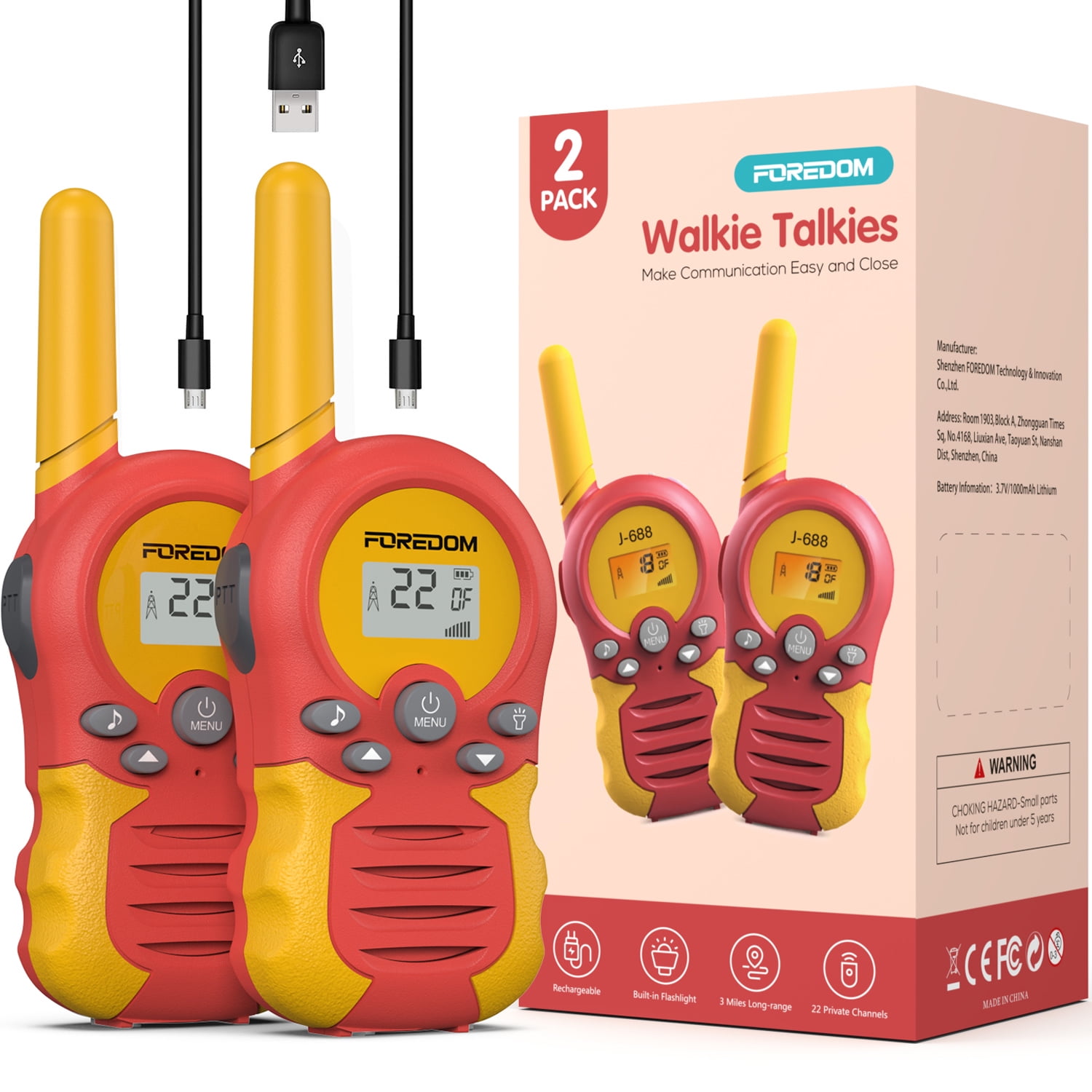
Portable radios are small and easy to carry. They fit in your hand or clip to your belt. These radios are ideal for hikers, campers, and workers on the move. Their battery-powered design allows communication without fixed power sources. Portable radios have shorter ranges but offer great convenience and flexibility.
Mobile Radios
Mobile radios install in vehicles. They use the vehicle’s power for longer use. These radios provide better range than portable types due to higher power output. Mobile radios are common in trucks, emergency vehicles, and boats. They allow communication while traveling over large areas.
Base Station Radios
Base station radios are fixed units set up in a home or office. They connect to powerful antennas for the longest range. These radios need external power and larger antennas. Base stations support clear and strong signals over vast distances. They are perfect for monitoring and coordinating communication in a central location.
License Requirements
Understanding license requirements is crucial before using long range radios. Different types of radios have distinct rules. These rules help manage radio frequencies and avoid interference. Some radios can be used freely, while others need official permission. Knowing these rules ensures legal and safe communication.
Frs Radios
FRS radios do not require a license. They operate on low power and limited channels. This makes them ideal for casual use. Families and friends often use FRS radios for short-range communication. Their simplicity and legal ease make them popular.
Gmrs Radios
GMRS radios need a license from the FCC. The license covers the user and their immediate family. GMRS radios allow higher power and longer range than FRS. This makes them good for outdoor activities and emergencies. Getting a GMRS license is quick and affordable.
Amateur (ham) Radios
Ham radios require passing an exam to get a license. The exam tests knowledge of radio rules and technical skills. Ham radios offer the widest range of frequencies and power levels. They support global communication and emergency services. Licenses come in different classes with varying privileges.

Signal Range Factors
Understanding the factors that affect the signal range of long range radios helps in choosing the right device. Signal range depends on several key elements. Each element plays a role in how far and clear the radio signal travels.
Antenna Types
The antenna type greatly influences signal strength and distance. Whip antennas offer good range for handheld radios. Yagi antennas focus the signal, reaching longer distances. Larger antennas often capture and send signals better. Proper antenna placement also improves range.
Power Output
Power output measures how strong the radio signal is. Radios with higher wattage transmit signals farther. Low power radios work well for short distances. Higher power radios use more battery but cover more ground. Choosing the right power depends on your communication needs.
Repeater Use
Repeaters boost radio signals to extend range. They receive a signal and retransmit it farther. Using a repeater can double or triple your communication distance. Repeaters are common in emergency and outdoor radios. Access to repeaters depends on your location and license.
Digital Vs Analog
Choosing between digital and analog long range radios depends on your specific needs. Both types serve different purposes and offer unique advantages. Understanding their differences helps pick the right radio for clear communication.
Digital Radio Features
Digital radios use digital signals to send clear, crisp audio. They reduce background noise and interference significantly. These radios support text messaging and GPS tracking. Many digital radios offer encryption for secure conversations. Battery life tends to be longer because of efficient power use. Users can access multiple channels without losing signal quality. They also allow software updates to improve functionality over time.
Analog Radio Benefits
Analog radios provide simple, reliable communication. They work well in areas with weak signals. These radios are usually less expensive than digital ones. Users can quickly tune to any frequency without complex settings. Analog radios are compatible with older equipment, ensuring easy integration. They offer smooth audio for short distances. Their straightforward design makes them easy to use for beginners.

Specialized Long Range Radios
Specialized long range radios serve unique purposes beyond standard communication needs. They offer tailored solutions for challenging environments and specific tasks. These radios rely on advanced technology to maintain connections over great distances. Their design often supports critical operations in remote or complex settings.
Satellite Radios
Satellite radios use satellites orbiting Earth to send and receive signals. This technology enables communication across vast areas, including oceans and mountains. Users can stay connected where traditional radios fail. Satellite radios are vital for maritime, aviation, and emergency services. They provide clear audio and reliable links without relying on local towers.
Mesh Network Radios
Mesh network radios create a web of connected devices to extend communication range. Each radio acts as a relay, passing messages along the network. This system adapts dynamically if one device fails, keeping communication intact. Mesh radios suit outdoor events, disaster zones, and tactical operations. They work well in areas with no infrastructure or power supply.
Usage Scenarios
Long range radios serve many purposes across different fields. Their ability to send signals over miles makes them essential in various situations. Understanding where and how to use these radios helps in choosing the right type.
Outdoor Adventures
Long range radios keep groups connected in wide open spaces. Hikers and campers use them to stay in touch beyond cell coverage areas. They provide quick communication for safety and coordination. Radios are lightweight and easy to carry on trails or mountains. Hunters also use them to communicate silently and efficiently.
Emergency Communications
During disasters, cell networks often fail. Long range radios become vital tools for rescue teams and volunteers. They allow communication between first responders and command centers. Radios help coordinate evacuation and deliver urgent messages fast. Their reliability and long battery life make them trusted in crises.
Commercial Applications
Businesses use long range radios to improve operations and safety. Construction sites rely on them to connect workers across large areas. Security teams use radios to respond quickly to incidents. Event organizers manage staff and logistics with instant communication. Radios reduce delays and increase productivity in many industries.
Frequently Asked Questions
What Type Of Radio Has The Longest Range?
Licensed VHF radios with high wattage, a full battery, and a whip antenna offer the longest range. Using a local repeater boosts signal distance further.
What Is The 3 3 3 Rule For Radio?
The 3-3-3 rule for radio means listening for 3 seconds, responding within 3 seconds, and waiting 3 seconds before speaking again. It ensures clear and efficient communication.
Which Is Stronger, Frs Or Gmrs?
GMRS radios are stronger than FRS radios. GMRS offers higher power output and better range. FRS radios have lower power limits and shorter range. GMRS requires a license, while FRS does not. Choose GMRS for longer-distance communication and stronger signals.
Is Vhf Or Uhf Better For Long Distance?
VHF signals travel farther outdoors and over open terrain. UHF performs better in buildings and urban areas. For long distances, VHF usually offers better range.
Conclusion
Long range radios come in many types, each with unique features. Choose based on your needs and environment. Some radios work best in open areas, while others suit urban settings. Battery life and signal strength matter for clear communication. Understanding these basics helps you pick the right radio.
Stay connected over long distances with the proper choice. Keep this guide handy when deciding on long range radios.