
Are you curious about how FM radio transmitters work and what types are available? Whether you’re setting up your own radio station or just want to understand the technology behind the music you enjoy, knowing the different types of FM radio transmitters is essential.
Each type serves a unique purpose, from reaching a small local audience to broadcasting across entire regions. You’ll discover the key types of FM transmitters, what makes each one special, and how to choose the right one for your needs.
Keep reading to unlock the secrets behind clear, strong, and reliable FM radio signals that bring your favorite sounds to life.

Low-power Fm Transmitters
Low-power FM transmitters are compact devices designed to broadcast radio signals at a lower transmission power. These transmitters serve small areas, making them perfect for local broadcasts. Their simple setup and affordable cost attract many users.
They operate within a limited range but still provide clear sound quality. Many communities and small organizations use them to share news, music, and important announcements. Low-power FM transmitters are essential for localized radio communication.
Features And Uses
Low-power FM transmitters usually have a power output under 100 watts. They offer easy installation and low maintenance. These transmitters support stereo sound and stable frequency control. Users often choose them for their reliability and clear audio.
They are commonly used for community radio, campus radio, and event broadcasting. These transmitters help small groups reach their audience effectively. Their features suit environments where high power is unnecessary.
Typical Coverage Area
The coverage area of low-power FM transmitters ranges from one to ten miles. The exact range depends on the transmitter power and local geography. Urban areas with buildings may reduce the signal reach.
In open areas, the signal can cover a wider range. These transmitters work well in neighborhoods, campuses, and small towns. Their limited coverage helps avoid interference with larger stations.
Ideal Applications
Low-power FM transmitters fit well in schools, churches, and local clubs. They support small radio stations that focus on community needs. These transmitters also work for temporary broadcasts at events or festivals.
They provide a cost-effective way to start radio broadcasting. Local businesses use them for promotions and announcements. Their size and power make them suitable for controlled, local broadcasts.

High-power Fm Transmitters
High-power FM transmitters play a vital role in delivering clear radio signals over large distances. They are designed to broadcast strong and stable signals. These transmitters help radio stations reach wide audiences with high-quality sound. Used mainly by commercial broadcasters, they ensure consistent coverage and minimal interference.
Technical Specifications
High-power FM transmitters operate with power levels from 1,000 watts to over 50,000 watts. They use advanced modulation techniques for clear sound quality. These transmitters include features like frequency stability and low distortion. Cooling systems keep the transmitter safe from overheating. Their components are built for durability and long-term use.
Broadcast Range
These transmitters cover large geographical areas, often spanning tens of miles. The broadcast range depends on power output and antenna height. Terrain and weather can also affect signal reach. High-power FM transmitters maintain signal strength over long distances. This helps stations serve both urban and rural listeners effectively.
Commercial Broadcasting
Commercial radio stations depend on high-power FM transmitters to reach mass audiences. They support multiple channels and high-quality audio transmission. Advertisers prefer stations with wide coverage for better reach. These transmitters allow stations to broadcast 24/7 without signal loss. They are essential for professional and reliable radio services.
Personal Fm Transmitters
Personal FM transmitters are small devices designed for individual use. They let you broadcast audio signals over short distances. These transmitters are popular for private listening or sharing music with nearby radios. Their compact size and ease of use make them a favorite choice.
Personal FM transmitters come in different forms, each suited to a specific setting. They work well in various places such as outdoors, cars, or homes. Their flexibility allows users to enjoy clear FM audio without complex setups.
Portable Models
Portable personal FM transmitters are lightweight and easy to carry. They often run on batteries, making them ideal for outdoor activities. You can use them during picnics, hiking, or small gatherings. These models offer simple controls and quick setup for instant broadcasting.
Vehicle Use
FM transmitters for vehicles connect to your phone or music player. They broadcast music through the car’s FM radio system. This option suits drivers who want to play their own playlists on older car radios. The devices usually plug into the cigarette lighter or USB port for power.
Home Use
Home personal FM transmitters help share audio signals within a house or apartment. They are perfect for listening to music or podcasts on multiple radios at the same time. These transmitters often have stronger signals than portable types. They are easy to set up and use with home stereo systems.
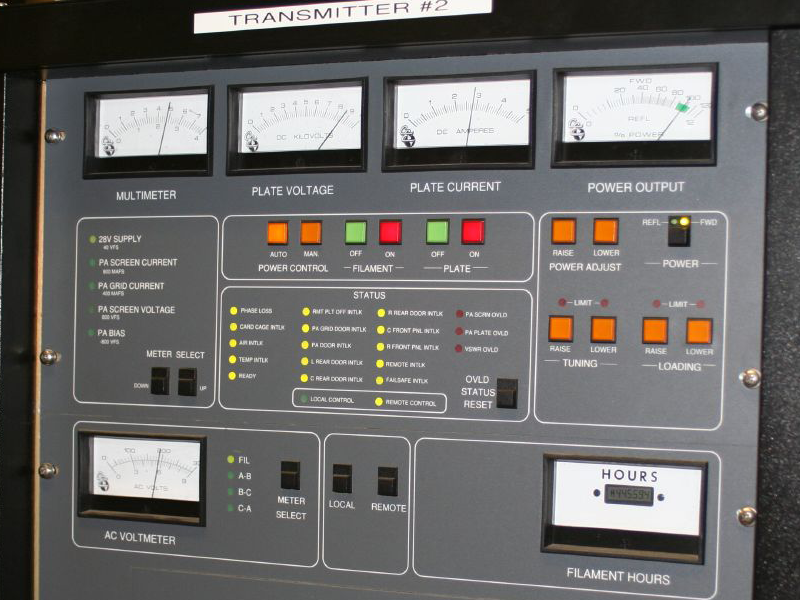
Commercial Fm Transmitters
Commercial FM transmitters play a vital role in broadcasting for businesses and radio stations. They are designed to cover large areas and reach many listeners. These transmitters offer robust performance and reliability. They support high-quality audio transmission and continuous operation. Commercial FM transmitters differ from smaller, personal devices in power, features, and durability.
Professional Equipment
Commercial FM transmitters use professional-grade components. They include powerful amplifiers and stable oscillators. These parts ensure consistent broadcast strength. The equipment often supports remote control and monitoring. This helps technicians maintain smooth operation without onsite presence. The design focuses on long-term durability and minimal downtime.
Signal Quality
Signal quality is critical for commercial FM transmitters. They provide clear and crisp sound to listeners. These transmitters reduce noise and interference. High fidelity audio ensures a better listening experience. Commercial models use advanced modulation techniques. This keeps the signal stable over long distances.
Regulatory Compliance
Commercial FM transmitters must follow strict legal rules. They operate within assigned frequencies to avoid interference. Licensing from government agencies is required. Transmitters also meet power limits and safety standards. Compliance ensures lawful operation and protects other broadcasters. Regular checks and certifications keep transmitters up to date.
Community And Educational Fm Transmitters
Community and educational FM transmitters serve unique roles in radio broadcasting. They focus on delivering local content, education, and public service. These transmitters help groups share stories, culture, and knowledge within their neighborhoods and schools. They often operate with lower power but high community value. These stations build strong local connections and promote learning through radio.
Non-commercial Broadcasting
Community and educational FM transmitters usually run as non-commercial stations. They do not air traditional ads for profit. Instead, they offer programs made by volunteers, schools, and local groups. The focus is on education, culture, and public interest. These stations provide a voice to underrepresented communities. They create a platform for topics often ignored by commercial media.
Local Impact
These FM transmitters have a strong local impact. They broadcast news, music, and events relevant to their listeners. Community members often participate in creating shows. This involvement builds trust and promotes local culture. Educational stations share lessons, school news, and student projects. The content helps connect listeners and supports local identity.
Funding And Licensing
Funding for community and educational FM transmitters comes from grants, donations, and sponsorships. They rely on support from listeners and local organizations. Licensing requires approval from government bodies, like the FCC in the United States. These licenses limit transmitter power and coverage area. This ensures they serve their local community without interfering with other stations.
Analog Vs. Digital Fm Transmitters
FM radio transmitters come in two main types: analog and digital. These transmitters differ in how they send audio signals over the airwaves. Analog FM transmitters have been used for decades and are well understood. Digital FM transmitters are newer and use advanced technology to improve transmission. Understanding the differences helps in choosing the right transmitter for your needs.
Modulation Techniques
Analog FM transmitters use frequency modulation to send audio signals. The audio changes the frequency of the carrier wave continuously. Digital FM transmitters convert audio into digital data. This data is then modulated and transmitted as a series of pulses. Digital modulation reduces noise and interference. It allows for more efficient use of the radio spectrum.
Sound Quality Differences
Analog FM offers good sound quality but may suffer from static and noise. This noise increases with distance from the transmitter. Digital FM provides clearer sound with less noise. It can transmit high-quality audio even in weak signal areas. Digital signals maintain clarity over longer distances. Listeners experience less distortion and more consistent audio.
Technology Trends
Digital FM transmitters are gaining popularity worldwide. Broadcasters prefer digital for its efficiency and quality. Many countries are adopting digital radio standards. Analog FM still dominates in many regions due to cost and infrastructure. Hybrid systems combining analog and digital signals are emerging. These trends point to a future with more digital FM broadcasting.
Fm Transmitter Components
FM transmitters are made up of key components that work together to send radio signals. Each part has a specific role. Understanding these parts helps you grasp how FM transmitters function.
The main components include the oscillator, modulator, and amplifier. They create, shape, and boost the radio signal for clear transmission.
Oscillator
The oscillator generates a steady radio frequency signal. It sets the carrier wave that carries the sound. Stability in frequency is crucial to avoid signal drift.
This component uses electronic circuits to produce a constant wave. The frequency must be precise for clear FM transmission.
Modulator
The modulator adds the audio signal to the carrier wave. It changes the frequency of the carrier according to the sound signal. This process is called frequency modulation.
The modulator ensures the sound information is encoded on the radio wave. It is essential for transmitting voice or music clearly.
Amplifier
The amplifier increases the strength of the modulated signal. It boosts the power so the signal can travel farther. A stronger signal means better coverage.
Without an amplifier, the signal would be weak and reach only a small area. Amplifiers ensure the broadcast covers the desired range.
Choosing The Right Fm Transmitter
Choosing the right FM transmitter is essential for clear and reliable radio broadcasting. Different transmitters serve different purposes. Selecting one that fits your needs improves your radio station’s performance.
Consider several key factors before making your choice. These include power needs, coverage area, and budget. Each aspect affects the type and cost of the transmitter.
Power Requirements
Power determines how far your radio signal travels. Low-power transmitters are best for small areas. High-power models cover larger regions. Choose a transmitter with enough power for your broadcast range. Avoid using more power than needed. It saves energy and reduces interference risks.
Coverage Needs
Coverage depends on your target audience size and location. Urban areas may need stronger signals due to buildings. Rural areas require transmitters that reach wider spaces. Match your transmitter’s range with your audience’s location. This ensures clear reception for all listeners.
Budget Considerations
FM transmitters come in many price ranges. Set a budget before shopping. Balance cost with features and quality. Cheaper transmitters may lack stability or sound quality. Investing a bit more often results in better performance. Remember to include installation and maintenance costs in your budget.
Frequently Asked Questions
What Are The Different Types Of Radio Transmitters?
Radio transmitters include AM, FM, and Phase Modulation types. They vary by modulation method and power level. Common types: low-power, high-power, and personal FM transmitters.
What Are The Three Types Of Transmitters?
The three types of transmitters are Amplitude Modulation (AM), Frequency Modulation (FM), and Phase Modulation (PM) transmitters. Each type modulates signals differently to transmit audio or data effectively.
Is There A Difference In Fm Transmitters?
Yes, FM transmitters differ in power, range, sound quality, and connectivity stability. Higher quality transmitters offer stronger signals and clearer audio.
What Are The Different Types Of Fm Radio?
FM radio types include local, community, regional, and national stations. They can be commercial, non-commercial, educational, or religious. Transmitters vary as low-power, high-power, and personal FM transmitters. Each type serves different coverage areas and audience needs.
Conclusion
Understanding the different types of FM radio transmitters helps in choosing the right one. Each type serves a specific purpose and range. Low-power transmitters suit small areas, while high-power ones cover large regions. Personal transmitters offer convenience for private use.
Knowing these options improves your radio setup and listening experience. Keep this knowledge handy for future radio projects or upgrades.