
Are you curious about the different types of digital TV and which one suits your needs best? Understanding the options can help you make smarter choices for your entertainment setup.
Whether you want crystal-clear picture quality, access to streaming services, or the best value for your money, knowing the types of digital TV is the first step. Keep reading to discover the key differences, so you can enjoy your favorite shows like never before.

Satellite Tv
Satellite TV brings television signals directly from space to your home. It uses satellites orbiting Earth to send channels. This type of TV works well in rural and remote areas. Satellite TV offers many channels and clear picture quality. It requires a dish antenna and a set-top box to receive signals.
Direct Broadcast Satellite
Direct Broadcast Satellite (DBS) sends TV signals straight from satellites to your dish. The dish is usually small and placed outside your home. It captures signals and sends them to the receiver. DBS offers many channels, including HD and international options. It does not need cables, making it easy to install in many places.
Satellite Cable Hybrid
Satellite Cable Hybrid mixes satellite and cable TV signals. It uses satellite for many channels and cable for local ones. This system gives a wider range of channels and better signal stability. It needs both a dish and cable connection. This hybrid setup suits people who want more channel choices without losing local content.
Cable Tv
Cable TV is a popular way to watch television using wires. It delivers TV programs through cables connected to homes. This system offers many channels and clear pictures. Different types of cable TV exist, each with unique features and benefits.
Standard Cable
Standard cable transmits TV signals in analog form. It is the older type of cable TV. It provides many channels but with lower picture quality. Users receive basic TV service with simple channel options. It works well for watching local and basic programs.
Digital Cable
Digital cable sends TV signals in digital format. It offers better picture and sound quality than standard cable. More channels and interactive features are available. Users can enjoy clearer images and more channel variety. It supports high-definition (HD) channels for a sharper view.
Iptv
IPTV delivers TV content via internet protocol networks. It uses broadband internet instead of traditional cables. Users stream shows and movies directly over the internet. IPTV allows on-demand content and live TV streaming. It offers flexibility to watch programs anytime and anywhere.
Terrestrial Tv
Terrestrial TV is a popular way to watch television using radio signals sent through the air. It does not need cables or satellite dishes. You just need an antenna to receive the signals. This makes it affordable and easy to set up. Many people still use terrestrial TV to watch local channels for news, sports, and entertainment.
Digital Terrestrial Broadcasting
Digital terrestrial broadcasting sends TV signals in digital form. This method improves picture and sound quality. It also allows more channels to fit in the same airwaves. Digital signals are less likely to have interference or static. Viewers get a clearer, sharper TV experience. This technology replaced the old analog system in many countries.
High Definition Terrestrial
High definition terrestrial TV offers better image quality than standard definition. It shows more detail and brighter colors. Viewers enjoy a more lifelike picture on their screens. HD terrestrial channels are becoming common in urban areas. You can watch sports and movies with improved clarity. All you need is an HD-ready TV and antenna to receive these signals.
Internet Protocol Tv
Internet Protocol TV, or IPTV, delivers television content over the internet instead of traditional cable or satellite signals. This technology uses internet protocols to stream media directly to your device. IPTV offers flexibility and a wide range of viewing options. It changes how people watch TV by using internet connections.
Streaming Services
Streaming services are a popular form of IPTV. They let users watch shows and movies online anytime. These services often offer subscription plans with many channels. You can pause, rewind, or fast-forward content easily. Streaming services work on smart TVs, phones, and computers.
Live Iptv
Live IPTV streams TV channels in real time over the internet. It provides access to news, sports, and live events just like traditional TV. Viewers can watch live broadcasts without cable or satellite boxes. This service depends on a stable internet connection for smooth viewing.
Video On Demand
Video on Demand, or VOD, lets users pick and watch videos whenever they want. It offers movies, series, and other programs on demand. There is no fixed schedule. Users can watch at their own pace, making it a flexible option for entertainment.
Mobile Tv
Mobile TV lets you watch television on your phone or tablet. It offers video content wherever you go. This type of digital TV is designed for small screens and low data use. Mobile TV comes in different forms, each with unique features. Understanding these types helps you enjoy TV on the move.
Broadcast Mobile Tv
Broadcast Mobile TV sends the same signal to many users at once. It works like traditional TV, but for mobile devices. This method uses less data for each viewer. You can watch live shows without delays. It is ideal for popular programs and news.
Devices receive signals directly from a tower. No internet connection is needed to watch. This type is energy-efficient and saves your mobile data. It works best in areas with strong broadcast signals.
Unicast Mobile Tv
Unicast Mobile TV sends video streams individually to each user. It uses the internet or mobile networks like 4G or 5G. This allows users to choose what to watch anytime. The service adapts to your device and network speed.
This type supports on-demand videos and interactive features. It requires more data than broadcast but offers more choices. Streaming apps often use unicast for mobile TV. It is perfect for personalized viewing experiences.

Frequently Asked Questions
What Are The Main Types Of Digital Tv Available?
Digital TV mainly includes satellite, cable, terrestrial, IPTV, and smart TV. Each type uses different technology to deliver TV signals. They vary in setup, cost, and channel options.
How Does Satellite Digital Tv Work?
Satellite digital TV sends signals from space satellites to a dish at your home. It covers large areas and offers many channels. It needs a clear line of sight to the satellite.
What Is Iptv And How Is It Different?
IPTV delivers TV shows through the internet, not cables or satellites. It allows on-demand viewing and interactive features. A stable internet connection is essential for IPTV.
Can Digital Terrestrial Tv Replace Cable Tv?
Digital terrestrial TV uses antennas to receive local channels over the air. It is often free but has fewer channels than cable. It works best near broadcast towers.
Why Choose Smart Tvs For Digital Viewing?
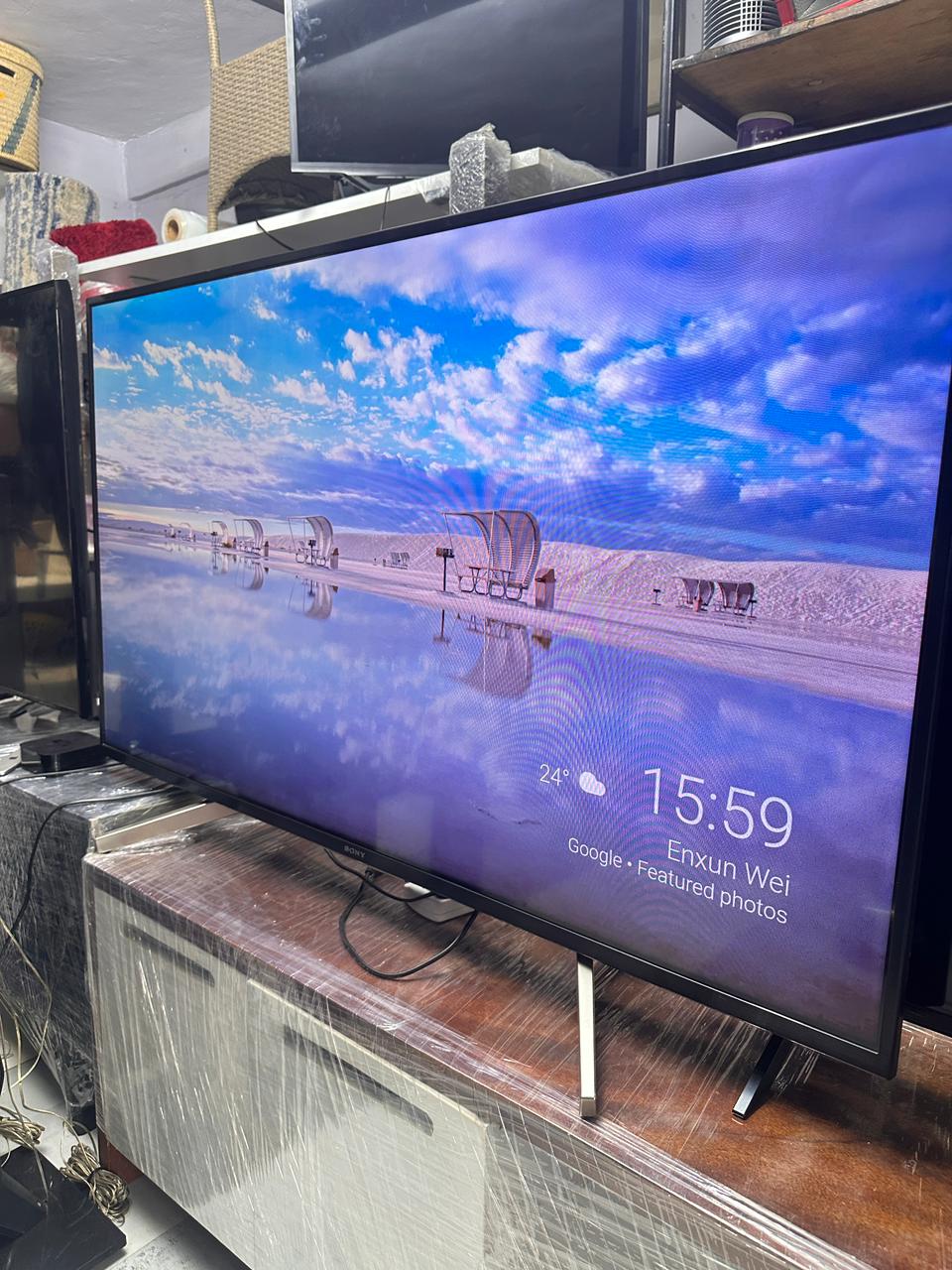
Smart TVs connect to the internet and offer apps like Netflix and YouTube. They combine traditional TV with streaming services. This option is good for easy access to online content.
Conclusion
Digital TV offers many options to suit different needs. Each type has unique features and benefits. Choosing the right one depends on your devices and preferences. Digital TV improves picture and sound quality a lot. It also gives more channels and interactive services.
Understanding these types helps you make better choices. Explore what works best for your home setup. Enjoy clearer viewing and more entertainment options today.