
Are you thinking about upgrading your home entertainment? Choosing the right smart TV can feel overwhelming with so many options out there.
But what if you could quickly understand the different types of smart TVs and find the perfect match for your needs? This guide breaks down everything you need to know, making it easier for you to pick a smart TV that fits your lifestyle, budget, and viewing habits.
Keep reading to discover how to make your TV experience smarter and more enjoyable.

Smart Tv Platforms
Smart TV platforms are the software systems that power smart TVs. They control how apps run and how users interact with the TV. Each platform offers a unique user experience and supports different apps.
Understanding these platforms helps you choose a TV that fits your needs. Some platforms focus on ease of use, while others offer more apps or better integration with devices.
Android Tv
Android TV is developed by Google. It offers access to the Google Play Store with thousands of apps. The platform supports Google Assistant for voice control. It also works well with Android smartphones and tablets.
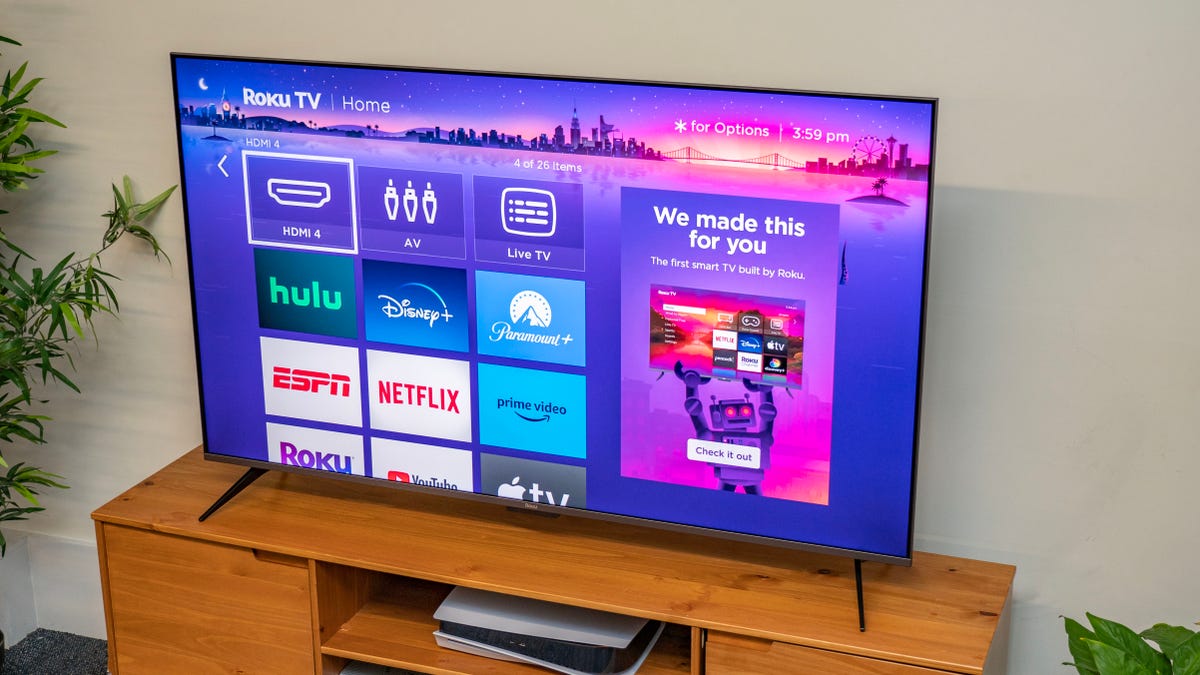
Roku Tv
Roku TV is known for its simple interface. It provides access to many streaming channels. The platform is easy to navigate and quick to set up. Roku’s remote often has shortcut buttons for popular services.
Tizen Os
Tizen OS is used mainly by Samsung smart TVs. It has a clean and fast interface. The platform supports popular apps and smart home devices. It also offers good multitasking features.
Webos
WebOS is the platform for LG smart TVs. It features an intuitive and user-friendly design. The system allows easy switching between apps. It supports voice control and smart home integration.
Fire Tv Edition
Fire TV Edition comes from Amazon. It integrates well with Alexa voice control. The platform provides access to Amazon Prime Video and other apps. It focuses on streaming and smart home features.
Display Technologies
Smart TVs come with different display technologies. Each type affects picture quality and viewing experience. Understanding these can help you choose the right TV for your needs.
Display technology impacts brightness, color, and contrast. It also influences energy use and price. The main types include LED, OLED, QLED, and MicroLED.
Led Smart Tvs
LED TVs use light-emitting diodes to light the screen. They offer bright images and good energy efficiency. LED TVs are common and usually more affordable. They perform well in bright rooms but may have less contrast than others.
Oled Smart Tvs
OLED TVs use organic materials that light up individually. This gives perfect black levels and strong contrast. Colors appear vivid and natural. OLEDs provide wide viewing angles but cost more than LED TVs.
Qled Smart Tvs
QLED TVs are a type of LED TV with quantum dots. These dots improve brightness and color accuracy. QLEDs work great in bright spaces and offer vibrant images. They often have longer lifespans than OLEDs.
Microled Smart Tvs
MicroLED TVs use tiny LEDs for each pixel. This creates very bright images and deep blacks. MicroLEDs combine the best of LED and OLED. They are still rare and very expensive but offer excellent picture quality.
Screen Sizes And Resolutions
Smart TVs come in various screen sizes and resolutions. These features affect picture quality and viewing experience. Choosing the right size and resolution depends on your room and budget.
Hd And Full Hd Tvs
HD TVs have a resolution of 1280 x 720 pixels. Full HD TVs offer 1920 x 1080 pixels. Both are good for small to medium rooms. The picture is clear but not as sharp as higher resolutions. These TVs are affordable and suitable for basic TV watching.
4k Ultra Hd Tvs
4K Ultra HD TVs have a resolution of 3840 x 2160 pixels. They show four times more detail than Full HD. This makes images sharper and more vibrant. 4K TVs are great for larger rooms and close viewing. Most streaming services and games support 4K resolution now.
8k Ultra Hd Tvs
8K Ultra HD TVs offer a resolution of 7680 x 4320 pixels. They provide the highest detail available today. The picture is incredibly sharp and clear. 8K TVs are best for very large screens and premium viewing. Content in 8K is still limited but growing steadily.

Connectivity Features
Connectivity features are key in smart TVs. They allow the TV to connect to other devices and the internet. This connection helps you stream shows, browse apps, and share content easily.
Smart TVs come with different ways to connect. Each type has its own benefits and uses. Understanding these can help you choose the right TV for your needs.
Wi-fi Enabled Tvs
Wi-Fi enabled TVs connect wirelessly to your home internet. This allows you to stream videos and use apps without cables. You can watch online content anywhere in your house.
These TVs are easy to set up. Just connect to your Wi-Fi network and start using. No need for extra wires or complicated installation.
Ethernet Connected Tvs
Ethernet connected TVs use a cable for internet access. This gives a stable and fast connection. Ideal for streaming high-quality videos without interruptions.
Wired connections reduce lag and buffering. Perfect for homes with weak Wi-Fi signals or crowded networks. Just plug the cable and enjoy a steady connection.
Bluetooth Integration
Bluetooth integration lets your TV connect to wireless devices. Use Bluetooth to link headphones, keyboards, or speakers. This adds convenience and improves your TV experience.
Bluetooth also helps connect smart remotes and game controllers. No wires, no hassle. Just pair the devices and control your TV easily.
Specialized Smart Tvs
Specialized Smart TVs cater to specific needs and budgets. These TVs offer features designed for different users. They help you enjoy content exactly how you want. Choosing the right type improves your viewing experience.
Gaming Smart Tvs
Gaming Smart TVs have fast refresh rates. They reduce lag and improve response time. These TVs support high resolutions and vivid colors. They often include HDMI 2.1 ports for newer consoles. Low input delay makes gameplay smooth and clear. Some models have built-in game modes to enhance visuals.
Budget Smart Tvs
Budget Smart TVs provide good value for money. They have essential smart features without extra costs. These TVs work well for everyday streaming and casual use. Picture quality is decent and sound is clear. Budget models come in various screen sizes. They are easy to set up and use.
Premium Smart Tvs
Premium Smart TVs offer top-tier picture and sound. They use OLED or QLED technology for deep blacks and bright colors. These TVs support advanced HDR formats for vivid images. They often include voice control and smart home integration. Premium models have sleek designs and durable builds. They are ideal for home theaters and serious viewers.
Frequently Asked Questions
What Are The Main Types Of Smart Tvs Available?
Smart TVs come in various types like Android TV, Roku TV, Tizen, and webOS. Each type offers unique apps and user interfaces. Choosing depends on your preferred features and apps.
How Does Android Tv Differ From Other Smart Tvs?
Android TV supports Google Play Store apps and Google Assistant voice commands. It offers wide app choices and easy integration with Android devices. This makes it popular for users who like Android ecosystems.
What Features Make Roku Tvs Unique?
Roku TVs have a simple interface with many free and paid channels. They focus on easy streaming and fast navigation. Roku is known for its budget-friendly smart TV options.
Why Choose A Smart Tv With Tizen Os?
Tizen OS, used by Samsung, offers smooth performance and many built-in apps. It supports voice commands and smart home controls. Tizen TVs provide a reliable and user-friendly experience.
Can Webos Improve Smart Tv Usability?
WebOS, found on LG TVs, offers an intuitive, card-based interface for easy multitasking. It supports popular apps and voice control. WebOS is praised for its simple and clean design.
Conclusion
Smart TVs come in many types, each with unique features. Choosing the right one depends on your needs. Some focus on picture quality, while others offer smart apps and voice control. Consider your budget and what features matter most. Knowing the types helps make a better choice.
Enjoy your viewing experience with the perfect smart TV for you. Simple, clear, and smart.