
When it comes to upgrading or repairing your car’s audio system, knowing the right type of car radio connector can save you a lot of time and frustration. You might be wondering why there are so many different connectors and how to choose the one that fits your vehicle perfectly.
Whether you’re swapping out a factory radio or installing an aftermarket stereo, understanding these connectors is key to getting crisp sound and a hassle-free setup. You’ll discover the most common types of car radio connectors, how to identify them, and which one works best for your car.
Keep reading, and you’ll gain the confidence to handle your car stereo wiring like a pro!

Iso Connectors
ISO connectors are a common choice for car radio installations worldwide. They provide a standardized way to connect the head unit to the car’s electrical system. This standard helps in easy replacement or upgrade of car stereos without major rewiring. ISO connectors come in two main parts: one for power and one for speakers. Each part has a unique pin layout to avoid confusion during installation.
Power Connections
The power ISO connector supplies electricity to the car radio. It includes pins for constant power, switched power, and ground. Constant power keeps memory functions alive, like saved radio stations. Switched power turns the radio on and off with the ignition. The ground pin connects to the car’s metal body for safety and proper function.
Speaker Wiring
The speaker ISO connector handles the audio signals to the car speakers. It has separate pins for front and rear speakers on both left and right sides. Each speaker wire is color-coded to avoid mistakes. This connector ensures clear audio signals reach the speakers without interference or loss.
Standard Pin Layout
The ISO connectors follow a fixed pin layout for power and speakers. This layout helps car owners and technicians identify each wire’s function easily. The power connector usually has eight pins, while the speaker connector has eight pins as well. This consistency supports compatibility across many car brands and aftermarket radios.

Rca Connectors
RCA connectors are common in car audio systems. They transfer audio signals between devices. These connectors are simple, reliable, and widely used. Their design allows easy connection and disconnection. RCA cables usually have red and white plugs for stereo sound. They carry analog signals with low noise and good quality. Car radios often use RCA connectors for various audio components.
Pre-amp Signal Use
RCA connectors often carry pre-amp signals. These signals come from the car radio’s output. They send sound data to amplifiers for boosting. This improves the audio quality and volume. Using RCA cables keeps signals clear and strong. It prevents distortion that can ruin sound. Pre-amp outputs rely on RCA for stable connections.
Subwoofer Connections
Subwoofers need strong, clean signals. RCA connectors provide this for subwoofer input. They carry low-frequency audio signals well. This helps produce deep bass sounds in the car. Most subwoofers use one or two RCA plugs. Proper RCA connections ensure bass sounds powerful and clear. They avoid signal loss during transmission.
Stereo Audio Links
RCA connectors link stereo audio components. They connect head units to external amplifiers or speakers. This setup improves overall sound in the car. RCA cables separate left and right audio channels. This separation creates a better stereo effect. The connectors are color-coded to avoid mistakes. Using RCA links keeps audio balanced and clear.
Antenna Adapters
Antenna adapters play a key role in car radio installations. They connect the car’s antenna to the radio unit. Different cars and radios use varied connector types. Antenna adapters ensure these parts fit together correctly. Using the right adapter improves radio signal quality. It also prevents damage to the antenna or radio.
Factory Plug Compatibility
Factory plugs vary widely by car make and model. Some use standard connectors, while others have unique designs. An antenna adapter matches the factory plug to the aftermarket radio input. This avoids cutting or splicing wires. It keeps the original wiring intact. Proper compatibility means easier installation and better safety.
Signal Reception
Signal strength depends on the adapter’s quality and design. A good adapter preserves the antenna signal without loss. Poor adapters cause weak or static-filled reception. Shielded adapters reduce interference from other electronic parts. Choosing the right adapter keeps your radio clear and strong.
Types Of Antenna Plugs
Common antenna plugs include Motorola, DIN, and Fakra types. Motorola plugs are round with a center pin. DIN plugs use a circular metal sleeve with a pin. Fakra connectors are plastic with locking clips for secure fit. Some cars need special adapters for satellite radio signals. Knowing your plug type helps pick the correct adapter for your car.
Usb Connectors
USB connectors have become a standard feature in modern car radios. They offer a simple and versatile way to connect devices. These connectors support multiple functions that enhance your driving experience. From playing music to charging gadgets, USB connectors do it all.
Media Playback
USB connectors allow direct media playback from devices. You can plug in a USB drive or smartphone. The car radio reads audio files like MP3 or WAV. This eliminates the need for CDs or auxiliary cables. Users enjoy easy access to their favorite songs on the road.
Charging Functions
Besides playing media, USB connectors charge devices quickly. They supply power to smartphones, tablets, and other gadgets. This keeps your devices ready for use throughout the trip. No extra charger or adapter is needed inside the car.
Data Transfer
Some USB connectors support data transfer between devices and the car radio. This feature allows updating firmware or syncing playlists. It also enables control of the device through the car’s interface. Data transfer improves convenience and system compatibility.
Steering Wheel Control Interfaces
Steering wheel control interfaces connect your car’s buttons to the radio system. They let you control music, volume, and calls without touching the radio. This adds safety and convenience during driving. These interfaces use special connectors to link the steering wheel buttons to the car radio.
Button Integration
Button integration means connecting the steering wheel buttons to the radio. These buttons send signals through the interface to control the radio. Each button has a unique function like volume up, next track, or answer call. The interface translates these signals so the radio understands the commands. Proper integration keeps your controls responsive and easy to use.
Wiring Harnesses
Wiring harnesses are bundles of wires that connect the steering wheel controls to the radio. They organize and protect the wires to prevent damage. Harnesses simplify installation by matching car models and radio types. Using the correct harness avoids cutting or splicing wires. This keeps the connection stable and reduces installation time.
Compatibility Issues
Compatibility issues arise if the interface does not fit your car or radio. Different car brands use different wiring codes and connectors. Radios may also require specific signal types from the steering wheel controls. Incompatibility can cause buttons to stop working or respond incorrectly. Always check the interface’s compatibility with your car model and radio brand before buying.
Wire-to-wire Connectors
Wire-to-wire connectors are essential for linking car radio wires securely. They ensure a safe and reliable connection. These connectors come in various styles, each suited for different wiring needs. Choosing the right connector helps prevent electrical problems and signal loss.
Butt Connectors
Butt connectors join two wires end-to-end. They create a strong and insulated connection. These connectors are simple to use with crimping tools. They work well for repairs or extending wires. Their sealed design protects against moisture and corrosion.
Spade Terminals
Spade terminals have a fork shape for easy attachment. They connect wires to screws or posts on the radio unit. These terminals allow quick disconnection without cutting wires. They come in different sizes to fit various wire gauges. Spade terminals offer a stable and secure connection.
Quick-splice Connectors
Quick-splice connectors tap into an existing wire without cutting it. They clamp onto the wire and pierce the insulation. This connector type is fast and convenient for adding wires. It saves time during installations or upgrades. Proper use ensures a solid electrical connection.
Connector Identification Tips
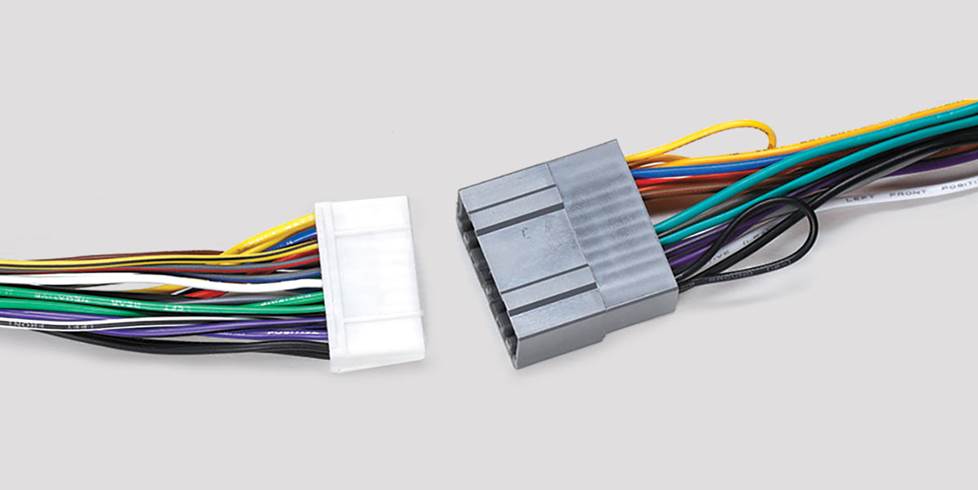
Identifying car radio connectors helps avoid mistakes during installation. Each connector type has unique features. Recognizing these features speeds up your work and ensures a secure fit. Focus on physical traits and markings to identify connectors correctly.
Shape And Size
Check if the connector is rectangular, round, or flat. Size matters—larger connectors often carry more wires. Notice if it has male pins or female sockets. This helps match connectors easily and prevents wrong connections.
Keyways And Locking
Look for small grooves or slots called keyways. They guide the connector into the right position. Locking clips or latches keep connectors secure. These prevent accidental unplugging during driving.
Color Coding
Colors can hint at the connector’s purpose. Red often means power, black is ground, and other colors signal different functions. Color is helpful but not always reliable, so use it with other tips.
Wire Gauge
Thicker wires carry more power. Thin wires usually carry signals or data. Measuring wire gauge helps identify if the connector handles power or audio signals. This avoids using the wrong connector for the job.
Manufacturer Markings
Look for numbers or letters stamped on connectors. These marks identify brand and part number. They help find exact replacements or check compatibility. Use these codes for precise connector identification.
Specialized Connectors
Specialized connectors in car radios serve unique purposes beyond standard audio connections. They ensure precise signal transfer and secure fitting. These connectors meet the needs of professional audio setups, instruments, and home entertainment systems. Understanding these connectors helps in choosing the right parts for upgrades or repairs.
Pro Audio Connectors
Pro audio connectors are common in high-end car audio systems. They provide clear sound and strong signal quality. Examples include XLR and TRS connectors, widely used in professional music gear. These connectors offer balanced audio signals, reducing noise in the car environment. They are durable and lock firmly to prevent disconnection.
Instrument Jacks
Instrument jacks are used to connect guitars, keyboards, and other devices. The most popular type is the 1/4 inch (6.35 mm) jack. This connector handles both mono and stereo signals. It is common in car setups for musicians who want to plug instruments directly into the audio system. The jacks provide solid contact and easy plug-in use.
Home A/v Connectors
Home A/V connectors sometimes appear in car entertainment systems. RCA connectors are a common example. They transmit analog audio and video signals. These connectors are easy to use and widely compatible. HDMI connectors also appear in modern car media units for high-quality digital signals. They support video, audio, and control data over a single cable.
Frequently Asked Questions
What Connectors To Use For Car Stereo?
Use ISO connectors, RCA plugs, and wiring harness adapters for car stereo installations. These ensure easy, secure, and compatible connections.
How To Identify A Connector Type?
Identify a connector type by checking its shape, size, pin arrangement, keyways, and locking mechanisms. Note its function and any manufacturer markings. Use wiring diagrams or online databases like ConnectorBook. com for precise identification.
What Are The Different Types Of Audio Connectors?
Common audio connectors include XLR for professional audio, RCA for home A/V, 1/4-inch (TRS) for instruments, 3. 5mm for headphones, and speakON for speakers. Each serves specific devices and audio setups, ensuring proper signal transmission and compatibility.
Are All Radio Connectors The Same?
No, radio connectors vary by type, brand, and purpose. Different radios use different connectors for power, audio, and data signals.
Conclusion
Understanding different car radio connectors helps you choose the right one. Each connector type fits specific radio models and wiring needs. Simple shapes and locking clips make connections secure and easy. Knowing connector features saves time and avoids mistakes. Always check your car’s manual before buying connectors.
Proper connection improves sound quality and device performance. Remember, the right connector ensures a smooth installation. Keep this guide handy for future radio upgrades or repairs.