
If you’ve ever thought about diving into the world of amateur radio, the first step is understanding the types of licenses available to you. Each license opens new doors, letting you connect locally, nationally, or even worldwide.
But which one fits your goals and interests? Whether you want to chat with nearby friends or reach out across continents, knowing the difference between Technician, General, and Amateur Extra licenses is key. You’ll discover what each license offers, how they stack up, and the simple steps you can take to earn them.
Ready to unlock the frequencies and start your radio adventure? Let’s break down the types of amateur radio licenses and find the perfect match for you.
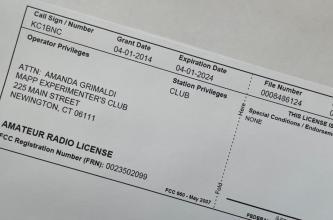
License Classes
Amateur radio licenses come in several classes. Each class offers different privileges and access to radio frequencies. Understanding these license classes helps new operators choose the right path. The classes reflect skill level and knowledge. Higher classes allow more operating freedom and frequencies.
Technician License
The Technician License is the entry-level license for amateur radio. It requires passing a simple exam. This license grants access to all VHF and UHF bands. Operators can use popular local repeaters and communicate over short distances. It also allows limited access to some HF bands for long-distance contacts.
General License
The General License offers more privileges than Technician. It requires passing a more difficult exam. General class operators can use most HF bands. This allows global communication through long-distance radio signals. Many hams upgrade to General to join worldwide conversations.
Amateur Extra License
The Amateur Extra License is the highest FCC license class. It requires passing a challenging exam covering advanced topics. Extra class operators gain full access to all amateur bands and frequencies. This class offers maximum privileges and operating flexibility. It suits those who want to explore all aspects of ham radio.
Grandfathered Licenses
Some operators hold older license classes no longer issued. These are called Grandfathered Licenses. Examples include Novice, Technician Plus, and Advanced classes. Holders keep their privileges but new applicants cannot get these licenses. Grandfathered licenses reflect the history of amateur radio licensing.

Technician License Details
The Technician License is the entry-level license for amateur radio operators in the United States. It allows new hobbyists to start exploring radio communications with fewer barriers. This license provides access to important frequency bands and offers a solid foundation for learning radio skills.
Many people choose the Technician License as their first step into amateur radio. It is designed to be straightforward and practical. The exam tests basic knowledge needed to operate safely and legally.
Privileges And Frequency Bands
The Technician License grants privileges mainly on VHF and UHF frequency bands. Operators can use frequencies above 30 MHz, including popular bands like 2 meters and 70 centimeters. These bands support local and regional communication with good signal quality.
Technicians also have limited access to some HF bands. This allows for occasional long-distance contacts, especially during special events or conditions. The license encourages learning and experimenting within safe and legal limits.
Typical Uses
Technician operators often use their radios for local communication. This includes talking with nearby stations, participating in nets, and joining emergency communication groups. Many use repeaters to extend their range and connect with others farther away.
This license suits hobbyists interested in community service, disaster response, or casual chatting. It provides enough privileges to enjoy the hobby fully while building skills for higher license levels.
Exam Topics
The Technician License exam covers basic radio theory and regulations. Topics include operating rules, station setup, and safety practices. Questions test understanding of radio frequencies, power limits, and proper communication methods.
The exam also covers emergency communication procedures and technical basics. It uses multiple-choice questions to ensure knowledge is clear and easy to apply. Preparing for the exam helps new operators feel confident and ready to get on the air.
General License Details
The General License is the second level of amateur radio certification. It offers more privileges than the Technician License. Many radio enthusiasts aim to obtain this license. It opens up new frequencies and modes for communication. This license allows you to explore advanced radio activities and contacts. Understanding its details helps you prepare effectively.
Expanded Hf Access
The General License grants access to many HF bands. HF means high frequency, ideal for long-distance communication. You can use frequencies that reach beyond local areas. This access allows communication across states and countries. It also supports different transmission modes like voice and digital. The expanded HF access brings more opportunities to connect worldwide.
Global Communication Capabilities
With a General License, global communication becomes possible. You can contact amateur radio operators worldwide. This license supports international contests and emergency communications. It helps build friendships and networks across continents. Operators use HF bands to communicate over thousands of miles. The General License truly broadens your radio horizons.
Exam Requirements
The General License exam has more questions than the Technician test. It covers radio theory, rules, and operating practices. The test includes multiple-choice questions to assess your knowledge. Studying topics like HF propagation and equipment is essential. Passing this exam shows you understand advanced radio skills. Preparation and practice can increase your chances of success.
Amateur Extra License Details
The Amateur Extra License is the highest level of amateur radio certification in the United States. It offers the most privileges and access to radio frequencies. This license is designed for operators who want to explore the full potential of ham radio. It demands a strong knowledge of radio theory and regulations.
Many radio enthusiasts aim for this license to gain advanced operating rights and skills. The Amateur Extra class opens many doors for communication and experimentation. It also reflects a deep understanding of amateur radio principles.
Full Frequency Access
Holders of the Amateur Extra License can use all amateur radio frequencies authorized by the FCC. This includes exclusive bands not available to lower license classes. Full frequency access allows operators to explore different modes and bands freely. It enables better communication options and flexibility in radio use.
Advanced Modes And Operations
The license grants permission to use advanced digital modes and experimental techniques. Operators can work with new technologies and communication methods. They may participate in contests, emergency communications, and satellite operations. This level supports innovation and technical skill growth in ham radio.
Exam Complexity
The Amateur Extra exam is the most challenging of the three license tests. It covers detailed topics on electronics, radio wave propagation, and FCC rules. Candidates must study and prepare thoroughly to pass. Success shows strong technical knowledge and commitment to the hobby.
Grandfathered License Types
Grandfathered license types refer to older amateur radio licenses that the Federal Communications Commission (FCC) no longer issues. These licenses remain valid for those who earned them before the rules changed. Operators holding these licenses keep some privileges not available to new licensees.
Understanding these grandfathered licenses helps clarify the history and evolution of amateur radio licensing. They show how the hobby has grown and adapted over time.
Novice License
The Novice license was the entry-level license for many years. It required passing a simple Morse code test and a basic written exam. Novice operators had limited frequency privileges, mostly on HF bands. They enjoyed a low-cost, easy start to amateur radio.
The Novice license encouraged new hams to learn and grow in the hobby. It faded out as the FCC introduced different license classes.
Advanced License
The Advanced license was for experienced operators who passed a more difficult exam. It allowed access to more frequencies and higher power limits. Advanced licensees could use almost all amateur bands with fewer restrictions.
This license offered more privileges than the General class but less than the Amateur Extra. It catered to skilled operators seeking expanded capabilities.
Current Validity And Limitations
Grandfathered licenses remain valid as long as the operator renews them. They keep the privileges granted at the time of issue. New applicants cannot obtain Novice or Advanced licenses today.
Some grandfathered operators face limitations on operating certain frequencies. Still, their licenses hold respect and historical value in the amateur radio community.
License Progression
License progression in amateur radio offers a clear path for expanding your skills and privileges. Starting with a basic license, you can move up to more advanced levels. Each step allows access to more frequencies and operating modes. Advancing requires passing exams that test your knowledge and understanding of radio principles. Growing your license class helps you become a more capable and confident operator.
From Technician To General
The Technician license is the entry-level license for most new operators. It grants access to VHF and UHF frequencies, which are great for local communication. To upgrade to the General license, you must pass a more detailed exam. This exam covers HF bands, which open up long-distance contacts worldwide. The General license offers more operating privileges and greater freedom on the airwaves.
From General To Amateur Extra
The Amateur Extra license is the highest class available. It requires passing a challenging exam with advanced technical questions. This license grants full privileges on all amateur bands and modes. Operators with this license enjoy the widest access and can participate fully in all amateur radio activities. Achieving Amateur Extra status shows a deep commitment to the hobby and technical knowledge.
Exam Preparation Tips
Start by studying the official question pools for your target license. Use flashcards and practice tests to reinforce your knowledge. Join local clubs or online forums to get support and advice. Focus on understanding key concepts rather than memorizing answers. Schedule regular study sessions to build confidence and improve retention. Stay calm and read each exam question carefully during your test.
Exam Process
The exam process for amateur radio licenses is straightforward but requires preparation. Candidates must pass a test to prove their knowledge of radio rules and operations. The exams vary by license type, each offering different privileges. Understanding the exam system helps you plan your study and test day.
Volunteer Examiner System
The Volunteer Examiner System (VES) administers amateur radio tests across the country. Trained volunteers organize and supervise exams at local clubs or events. This system ensures consistent and fair testing for all candidates. Volunteers also provide guidance about licensing and exam procedures.
Exam Content And Format
Each license level has a separate exam with multiple-choice questions. Topics include radio theory, operating rules, and safety. The Technician exam covers basic knowledge needed to start. The General exam dives into more technical skills. The Amateur Extra exam tests advanced radio concepts. Tests are timed and require a passing score to earn a license.
Scheduling And Fees
Exams are scheduled regularly throughout the year at various locations. You can find local sessions through amateur radio clubs or online listings. Some sessions allow walk-ins; others require advance registration. Fees vary but are generally low to cover administrative costs. Payment is often made at the testing site before the exam begins.
Operating Privileges
Operating privileges define what an amateur radio license holder can do. They determine access to frequency bands, modes of communication, and where you can operate. These rules ensure safe and efficient use of the radio spectrum. Different license classes offer varied levels of privileges. Understanding these differences helps you choose the right license for your interests.
Frequency Bands Per License
Each license class allows access to specific frequency bands. Technician license holders can use VHF and UHF bands mainly. General licensees get more HF bands, allowing long-distance communication. Amateur Extra license holders have full access to all amateur bands. More bands mean more opportunities to connect worldwide.
Communication Modes Allowed
License levels also control the types of communication modes you can use. Technicians can use voice, Morse code, and digital modes on certain bands. General licensees can explore more modes across more bands. Amateur Extra operators enjoy the widest range of modes, including advanced digital techniques. Modes affect how you send and receive messages.
Regional And Global Use
Operating privileges vary by region and international agreements. Some frequency bands are shared worldwide, while others differ by country. Higher license classes often allow operation on global bands. This lets operators communicate across continents easily. Knowing regional rules avoids interference and legal issues.
Benefits Of Each License
Each amateur radio license class offers unique benefits. These advantages match different skill levels and communication needs. Understanding these benefits helps you choose the right license. Explore how each license opens specific doors in the ham radio world.
Entry-level Opportunities
The Technician license is perfect for beginners. It grants access to local VHF and UHF bands. These frequencies are ideal for short-range communication. You can join local radio clubs and emergency nets. The test is simple, focusing on basic radio rules and operation. This license is a great start to learn and connect.
Expanded Communication Options
The General license unlocks more frequencies, including many HF bands. HF bands allow long-distance communication, even worldwide. This license opens doors to talk to more operators globally. It requires more knowledge of radio theory and regulations. It suits those who want to expand their skills and reach.
Full Access Advantages
The Amateur Extra license offers full access to all amateur bands. It includes exclusive frequencies and advanced operating privileges. This license requires passing a challenging exam. It is ideal for those who want complete freedom in radio use. Benefits include priority in contests and emergency communications. It also grants access to the most technical parts of ham radio.

Frequently Asked Questions
What Are The Different Levels Of Ham Radio License?
Ham radio licenses have three levels: Technician (entry-level, local use), General (intermediate, global communication), and Amateur Extra (advanced, full privileges). Each level requires passing progressively harder exams covering theory, regulations, and operating skills. Technician starts your ham radio journey; Amateur Extra grants complete access.
What Is The 3 3 3 Rule For Ham Radio?
The 3-3-3 rule for ham radio means: wait 3 seconds before transmitting, limit transmission to 3 minutes, and pause 3 minutes between transmissions. It helps avoid signal interference and conserves battery power.
What Is The Difference Between Technician And General Ham Radio License?
The Technician license allows local VHF/UHF use with limited HF privileges. The General license adds most HF bands for global communication.
What Kind Of License Do I Need To Operate A Ham Radio?
You need an FCC amateur radio license to operate a ham radio. Licenses include Technician, General, and Amateur Extra classes. Pass exams for each level to gain more privileges and frequencies. Technician is entry-level; Amateur Extra offers full access. Exams test radio theory, regulations, and operating skills.
Conclusion
Amateur radio licenses come in three main types. Each license gives you different privileges. Start with the Technician license to learn the basics. Then, move to the General license for more frequency access. The Amateur Extra license offers the most privileges.
Passing exams shows you understand radio rules and theory. Choose the license that fits your interests and goals. Amateur radio connects people worldwide through communication. Explore the licenses and enjoy this exciting hobby.