
When you need reliable communication, choosing the right two-way radio can make all the difference. But with so many types available, how do you know which one fits your needs best?
Whether you’re coordinating a work crew, staying connected on outdoor adventures, or managing an event, understanding the different types of two-way radios will help you communicate clearly and efficiently. You’ll discover the key types of two-way radios, what sets them apart, and how to pick the perfect one for your unique situation.
Keep reading—you’re just a few minutes away from making smarter, clearer connections.
Radio Types
Two-way radios are vital tools for clear communication in many settings. Different radio types serve various needs, from casual chats to professional tasks. Understanding these types helps you choose the right radio for your purpose.
Each radio type offers unique features, power levels, and range. Knowing these differences improves your communication experience and efficiency.
Frs Radios
FRS stands for Family Radio Service. These radios are easy to use and need no license. They work well for short distances, like hiking or camping trips. FRS radios are compact and lightweight. Their simple design fits casual users.
Gmrs Radios
GMRS means General Mobile Radio Service. These radios offer higher power and longer range. A license from the FCC is required to use GMRS radios. They suit family outings and small business needs. GMRS radios often include extra features like weather alerts.
Business Radios
Business radios are built for work environments. They provide reliable communication for teams on jobsites. These radios support longer range and clear sound. Many models are rugged and water-resistant. They help increase safety and coordination at work.
Ham Radios
Ham radios are for amateur radio enthusiasts. They offer wide frequency ranges and global communication. Users need a license to operate ham radios. These radios allow contacts across cities and countries. They are popular for emergency communication and hobby use.
Digital Radios
Digital radios use advanced technology for clearer sound. They reduce background noise and improve signal quality. These radios can send text messages and GPS data. Digital radios often have better battery life. They are ideal for both personal and professional use.

Frs Features
Family Radio Service (FRS) radios are popular for short-distance communication. They are easy to use and require no special license. FRS radios have specific features that define their use and performance. Understanding these features helps in choosing the right device for your needs.
Power Limits
FRS radios have a power limit of 2 watts. This power level helps keep transmissions clear nearby. Lower power uses less battery and reduces interference. It also limits how far the radio signal can travel. This makes FRS radios ideal for local communication.
Antenna Design
FRS radios come with fixed antennas. The antenna is usually short and built-in. This design keeps the radio compact and easy to carry. A fixed antenna means you cannot change or upgrade it. It also helps the radio meet legal rules for FRS use.
Range Capabilities
The range of FRS radios varies by environment. In open areas, they can reach up to two miles. Buildings and trees may reduce this range. FRS radios work best in close to medium distances. They are suitable for camping, hiking, or small events.
License Requirements
No license is needed to operate FRS radios. This makes them accessible to everyone. You can buy and use them right away. The FCC sets rules that keep FRS radios simple and safe. This helps avoid complicated steps for casual users.
Gmrs Features
GMRS radios offer unique features that suit personal and group communication needs. These radios deliver stronger signals and better range than many other two-way radios. Users enjoy clear audio and reliable connections in outdoor and urban settings. Below are key GMRS features that set them apart.
Higher Power Output
GMRS radios operate at higher power levels than FRS radios. This higher output allows signals to travel farther distances. It helps maintain communication in large outdoor areas or between buildings. The increased power improves overall radio performance.
Removable Antennas
Many GMRS radios come with removable antennas. Users can replace the antenna with a more powerful one. This feature enhances signal strength and extends range. It also allows customization for specific communication needs.
Repeater Use
GMRS radios can access repeaters to boost signal range. Repeaters receive a radio signal and retransmit it at higher power. This extends communication beyond normal limits. It is useful for covering wider areas or overcoming obstacles.
Fcc Licensing
Operating a GMRS radio requires an FCC license in the United States. The license is easy to obtain and covers the entire family. It allows legal use of higher power and repeater access. Licensing ensures users follow communication rules and avoid interference.
Usage Scenarios
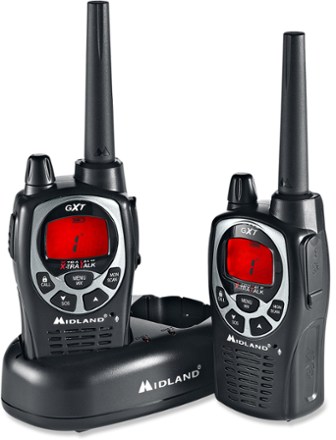
Two-way radios serve many different needs across various settings. They offer instant communication without relying on cellular networks. Their versatility makes them useful for everyday chats, outdoor fun, business tasks, and emergency plans.
Choosing the right type depends on where and how you plan to use it. Understanding usage scenarios helps pick the best radio for your needs.
Casual Communication
Two-way radios are great for casual talks among family and friends. They work well in large homes or apartment complexes. Kids can use them to stay in touch during playtime. Neighbors find them handy for quick chats without calling. They also suit small local events or gatherings.
Outdoor Adventures
Hikers and campers use two-way radios for safe communication in the wild. They work in places without cell phone signals. Hunters and fishermen rely on them to stay connected in remote areas. Radios help teams coordinate during outdoor sports. They provide peace of mind by keeping groups in touch.
Business Operations
Businesses use two-way radios for smooth daily operations. Security teams communicate instantly across sites. Retail staff coordinate tasks without delays. Construction workers stay connected on noisy job sites. Event organizers manage crowds and logistics easily. Radios improve teamwork and save time.
Emergency Preparedness
Two-way radios are vital tools in emergencies and disasters. They function when phones and internet fail. Families use them to check on each other during power outages. First responders rely on radios for quick, clear contact. Radios support evacuation and rescue efforts. They ensure reliable communication in critical moments.
Digital Vs Analog
Two-way radios come in two main types: digital and analog. Each type offers unique benefits. Choosing the right one depends on your needs and environment. Understanding key differences helps you make a better choice.
Sound Quality
Digital radios deliver clearer sound with less background noise. Analog radios may have static and interference. Digital voice signals maintain quality even at longer distances. Analog sound quality decreases as you move away from the source.
Range And Clarity
Analog radios usually have a longer range in open areas. Digital radios provide consistent clarity within their range. Digital systems use error correction to reduce dropped signals. Analog radios may lose clarity quickly in crowded or noisy areas.
Battery Efficiency
Digital radios use less power than analog radios. This means longer battery life for digital devices. Analog radios tend to drain batteries faster. Digital radios also offer sleep modes to save energy when idle.
Advanced Features
Digital radios support extra features like text messaging and GPS. Analog radios have basic functions focused on voice communication. Digital systems allow better integration with modern technologies. Analog radios are simpler but lack advanced options.
Choosing The Right Radio
Choosing the right two-way radio is essential for clear and reliable communication. Different radios suit different needs. Consider important factors before making a choice. This ensures your radio fits your specific situation and delivers the best performance.
License Considerations
Some radios require a license to operate legally. Check if your radio needs FCC or other permits. Licensed radios often have better range and features. Unlicensed radios are easier to use but may have limits. Always follow rules to avoid fines and interference.
Range Needs
Consider how far your communication must reach. Short distances work well with handheld radios. For longer distances, choose radios with higher power or repeaters. Terrain affects range too. Buildings and hills can block signals. Pick a radio that covers your area reliably.
Communication Environment
Think about where you will use the radio. Noisy places need radios with noise-canceling features. Outdoor use may require weatherproof radios. Indoor use might focus on size and ease of use. Match the radio to your environment for better clarity.
Budget Factors
Radios come in many price ranges. Set a budget before shopping. Higher-priced radios often have more features and durability. Basic radios are affordable and good for simple tasks. Balance cost with the features you need to get the best value.

Frequently Asked Questions
Which Is Better, Frs Or Gmrs?
GMRS offers higher power, longer range, and repeater use but needs an FCC license. FRS suits casual, short-range use without a license. Choose GMRS for extended communication and FRS for simple, immediate needs.
What Is The Difference Between Uhf And Vhf Two-way Radios?
UHF radios operate at higher frequencies, offering better indoor range and penetration. VHF radios work at lower frequencies, ideal for outdoor, long-distance communication in open areas. UHF suits urban environments, while VHF excels in rural or open spaces. Both serve different communication needs effectively.
What Is The 3 3 3 Rule For Radio?
The 3 3 3 rule for radio means: use 3 words per sentence, 3 sentences per message, and speak every 3 seconds.
What’s The Difference Between Gmrs And Cb Radio?
GMRS radios offer higher power, longer range, and require an FCC license. CB radios have lower power, no license needed, and use different frequencies. GMRS supports repeaters and removable antennas, enhancing communication quality and distance compared to CB radios.
Conclusion
Choosing the right two-way radio depends on your needs and environment. Handheld radios suit simple, close-range use. Mobile radios offer more power for longer distances. Base stations work well for fixed locations. Understanding each type helps you communicate clearly and effectively.
Keep in mind range, power, and features before buying. Two-way radios remain reliable tools for instant communication. They help teams stay connected anytime, anywhere. Explore options, and pick what fits your daily tasks best.