
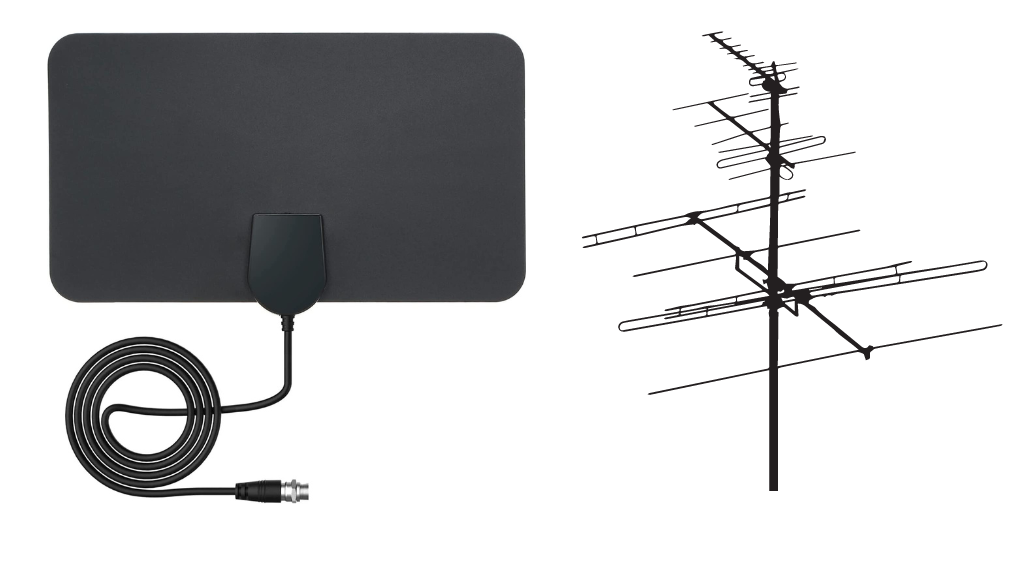
Indoor and outdoor TV antennas both work, but outdoor antennas usually deliver stronger, more stable reception. An indoor antenna is cheaper and easier to install, and it can work great if you live close to broadcast towers and don’t have heavy interference.
Outdoor antennas sit higher and avoid many indoor obstructions, so they’re better for long distances, weak signals, and getting more channels. The best choice depends on your tower distance, terrain, and where you can place the antenna.

Credit: store.antennasdirect.com
Indoor Antenna Benefits
Indoor TV antennas offer many advantages for daily use. They provide a simple way to access free broadcast channels. These antennas work well in many homes and apartments. Their design suits people who want convenience and ease.
Small size and quick setup make indoor antennas popular. Many users enjoy clear signals without outdoor equipment. Indoor antennas fit well in modern living spaces. They also work best in cities with strong broadcast signals.
Easy Installation
Indoor antennas do not need special tools. You just plug them into your TV. No ladder or roof work required. You can set them up in minutes. This saves time and effort for many users.
Compact Design
Indoor antennas are small and light. You can place them on a shelf or wall. Their size does not block views or take space. Many models look neat and fit any room style. This makes them less noticeable in your home.
Ideal For Urban Areas
In cities, broadcast signals are strong. Indoor antennas pick up these signals well. They provide clear channels without outdoor devices. Apartment dwellers find indoor antennas perfect. They avoid building rules about outdoor antennas.
Outdoor Antenna Advantages
Outdoor TV antennas have clear benefits over indoor models. They offer better performance and more reliable signal quality. Placing an antenna outside allows it to catch signals more easily. This helps deliver clearer channels and fewer interruptions.
These antennas are designed to handle tough outdoor conditions. They provide stronger reception and cover larger distances. This makes them a great choice for people living far from broadcast towers or in areas with many obstacles.
Stronger Signal Reception
Outdoor antennas capture signals with less interference. Walls and furniture do not block the signal. This leads to a clearer picture and better sound quality. The antenna’s height and location improve its ability to pick up weak signals. This means more channels and less static.
Longer Range
Outdoor antennas reach signals from farther away. They can pick up broadcasts from many miles. This allows users in rural or remote areas to watch more TV channels. Indoor antennas usually have a limited range. Outdoor models provide a wider coverage area.
Better Weather Resistance
Outdoor antennas are built to withstand rain, wind, and sun. They use materials that resist rust and damage. This ensures long-lasting performance even in harsh weather. Indoor antennas are not made for tough conditions. Outdoor models stay reliable year-round without losing signal quality.
Signal Quality Factors
Signal quality plays a key role in choosing between indoor and outdoor TV antennas. It affects how clear and stable your TV picture will be. Several factors influence signal quality. Understanding these helps you pick the best antenna and placement for your home.
Distance From Broadcast Towers
Signal strength weakens as distance from broadcast towers grows. Outdoor antennas often get stronger signals because they sit higher and face towers better. Indoor antennas work well if towers are close. Knowing your distance to towers helps choose the right antenna type.
Obstructions And Interference
Buildings, trees, and hills block or weaken TV signals. Outdoor antennas can avoid many obstructions by being placed higher. Indoor antennas face more interference from walls and furniture. Electronic devices like Wi-Fi routers or microwaves can also cause signal noise inside your home.
Antenna Placement Tips
Place outdoor antennas as high as possible and point them toward broadcast towers. Avoid metal objects and tall trees near the antenna. For indoor antennas, try placing them near windows or walls facing the towers. Keep antennas away from electronic devices to reduce interference.

Credit: www.youtube.com
Installation Considerations
Choosing between an indoor and outdoor TV antenna involves more than just signal quality. Installation plays a big role in performance and ease of use. Understanding what each antenna needs helps avoid problems later.
This section covers key installation points. It helps decide which antenna suits your home setup better.
Mounting Options
Indoor antennas usually sit on a table or shelf. Some can stick to a window. They do not need nails or screws. Outdoor antennas require sturdy mounting on a roof or wall. You must use brackets and poles to hold them firm. Proper mounting improves signal strength and prevents damage.
Power Requirements
Most indoor antennas need power to boost signals. They plug into a power outlet or USB port. Outdoor antennas sometimes have built-in amplifiers needing power too. This power can come through the coax cable or a separate adapter. Check what power type your antenna needs before buying.
Safety Measures
Safety is important during antenna installation. Outdoor antennas should be placed away from power lines. Use a ladder carefully and avoid wet weather. Indoor antennas pose less risk but keep cords tidy to stop tripping. Proper grounding of outdoor antennas protects from lightning strikes.
Cost Comparison
Choosing between an indoor and outdoor TV antenna often depends on cost. Understanding the costs helps you decide which antenna suits your budget and needs.
Initial Investment
Indoor antennas usually cost less to buy. They range from $20 to $50. Outdoor antennas cost more, often $50 to $150. Outdoor models need extra parts like mounting brackets and cables. Installation might require tools or a professional, adding to the cost. Indoor antennas are easy to set up by yourself. Outdoor antennas need more work, which can increase the initial expense.
Maintenance Expenses
Indoor antennas require little to no maintenance. They stay inside, safe from weather damage. Outdoor antennas face rain, wind, and sun. This exposure can cause wear and tear. You might need to clean or repair them regularly. Sometimes, outdoor antennas need replacement parts. These factors add to the cost over time. Indoor antennas usually last longer without extra spending.
Credit: techniservices.com.au
Best Use Cases
Choosing between indoor and outdoor TV antennas depends on your location and living situation. Each type works better in certain places. Knowing the best use cases helps you pick the right antenna for clear TV signals.
Urban Environments
Indoor antennas work well in cities. Buildings and walls can block signals outside. Indoor antennas pick up signals from nearby towers. They are easy to install and do not need much space.
Outdoor antennas might face issues with tall buildings blocking the signal. Indoor antennas avoid this by being placed near windows or higher spots inside.
Rural Settings
Outdoor antennas suit rural areas best. Signals are often weak and far away. Outdoor antennas are larger and can catch signals from distant towers. They offer stronger, clearer reception than indoor ones.
Placing the antenna on the roof or high poles helps avoid trees or hills blocking the signal. Indoor antennas often struggle in these locations.
Apartment Living
Indoor antennas are ideal for apartments. Outdoor antennas may not be allowed or easy to install. Indoor antennas fit small spaces and work well near windows.
Apartment buildings might block signals outside, but indoor antennas can find gaps between buildings. Easy setup and no damage to property make indoor antennas popular for renters.
Troubleshooting Common Issues
Troubleshooting common issues with indoor and outdoor TV antennas helps improve your viewing experience. Problems like weak signals, interference, and poor antenna positioning can reduce picture quality. Knowing how to fix these issues saves time and frustration.
Weak Signal Problems
Weak signals cause blurry or missing channels. Check the antenna cable for damage or loose connections. Make sure the antenna points toward the nearest broadcast tower. Outdoor antennas usually get stronger signals than indoor ones. Use a signal meter app to find the best direction.
Interference Solutions
Interference comes from electronic devices, buildings, or weather. Move the antenna away from routers, microwaves, and metal objects. Try changing the antenna location to reduce signal blockage. For outdoor antennas, clear trees or branches in the signal path. Use shielded cables to limit noise.
Antenna Adjustments
Small changes to antenna position can improve reception a lot. Rotate the antenna slowly and watch the picture quality. Raise indoor antennas closer to windows or higher spots. For outdoor antennas, check the mounting and make sure it is stable. Tighten screws and adjust the angle for the best signal.
Conclusion
Choosing between indoor and outdoor TV antennas depends on your needs. Indoor antennas are easy to install and move around. They work well in cities with strong signals. Outdoor antennas catch signals from far away. They need more space and some setup.
Signal quality, weather, and location affect performance. Think about your home and signal strength first. Both types can give you good TV reception. Pick the one that fits your space and budget best. Simple and clear. Enjoy watching your favorite shows!