
A metal roof can sometimes act like a giant antenna, but it’s not a reliable way to get TV channels and it often causes more problems than it solves. The roof isn’t tuned for VHF/UHF, so it can reflect and scatter signals, creating dropouts and multipath interference.
If you try to use it, you’d still need a proper coax connection and a safe grounding setup, but results vary widely and can be unpredictable. In most cases, a real outdoor antenna mounted above the roof will work much better.
Metal Roofs And Signal Reception
Metal roofs are popular for their strength and durability. They also affect TV signal reception in unique ways. Understanding how metal roofs interact with signals helps in deciding if they can serve as TV antennas.
Signal reception depends on many factors, including the roof material. Metal reflects and blocks certain signals, which can impact TV quality. Let’s explore how this happens and what common issues arise.
How Metal Interacts With Tv Signals
Metal surfaces reflect TV signals instead of absorbing them. This reflection can cause signals to bounce away from the antenna. Sometimes, metal blocks signals completely, reducing reception strength.
Metal roofs can also act like shields, stopping signals from reaching your TV antenna. The thickness and type of metal affect how much signal is blocked or reflected. This interaction is different from materials like asphalt or tile, which let more signals pass.
Common Signal Issues With Metal Roofs
Signal loss is a major problem with metal roofs. The metal can weaken or distort TV signals, causing poor picture quality. Viewers might see static, pixelation, or lose channels frequently.
Interference can also occur. Signals reflecting off the roof can create echoes that confuse the antenna. These echoes cause ghost images or sound problems on the TV. Metal roofs can make it harder to get a strong, clear signal.
Using Metal Roof As An Antenna
Metal roofs are common on many homes and buildings. They have a shiny surface that can reflect signals. This makes some people wonder if the roof can serve as a TV antenna.
Using a metal roof as an antenna can save money and space. It also avoids the need for extra equipment outside your home. But not all metal roofs work well for this purpose.
Feasibility Of Metal Roof As Antenna
Metal reflects radio waves, which TV signals use. This means a metal roof can pick up signals better than some surfaces. The size and shape of the roof affect signal strength.
For the roof to work as an antenna, it must connect to the TV receiver properly. A good connection helps capture clear signals. Poor setup may cause weak or no reception.
Keep in mind, metal can also block or scatter signals in some cases. Location and nearby objects can change how well the roof works.
Types Of Metal Roofs Suitable For Antenna Use
Not all metal roofs are the same for antenna use. Some types work better based on material and design.
Standing seam metal roofs are good candidates. Their raised seams create natural gaps that can enhance signal reception. Smooth metal panels may not perform as well.
Aluminum and steel roofs often work well. Copper roofs can work but are less common. The thickness of the metal also affects signal quality.
Roofs with a simple shape and large surface area generally catch more signals. Complex or very small roofs may not be effective antennas.
Setting Up A Metal Roof Antenna
Using a metal roof as a TV antenna is possible with the right setup. The metal surface can pick up signals well because it acts like a large antenna. Setting it up requires care and some tools. Proper installation helps get clear TV reception and avoids damage to the roof or equipment.
Follow simple steps to make sure the antenna works well and lasts long. Safety is important while working on the roof. Preparing everything before you start saves time and effort.
Necessary Equipment And Tools
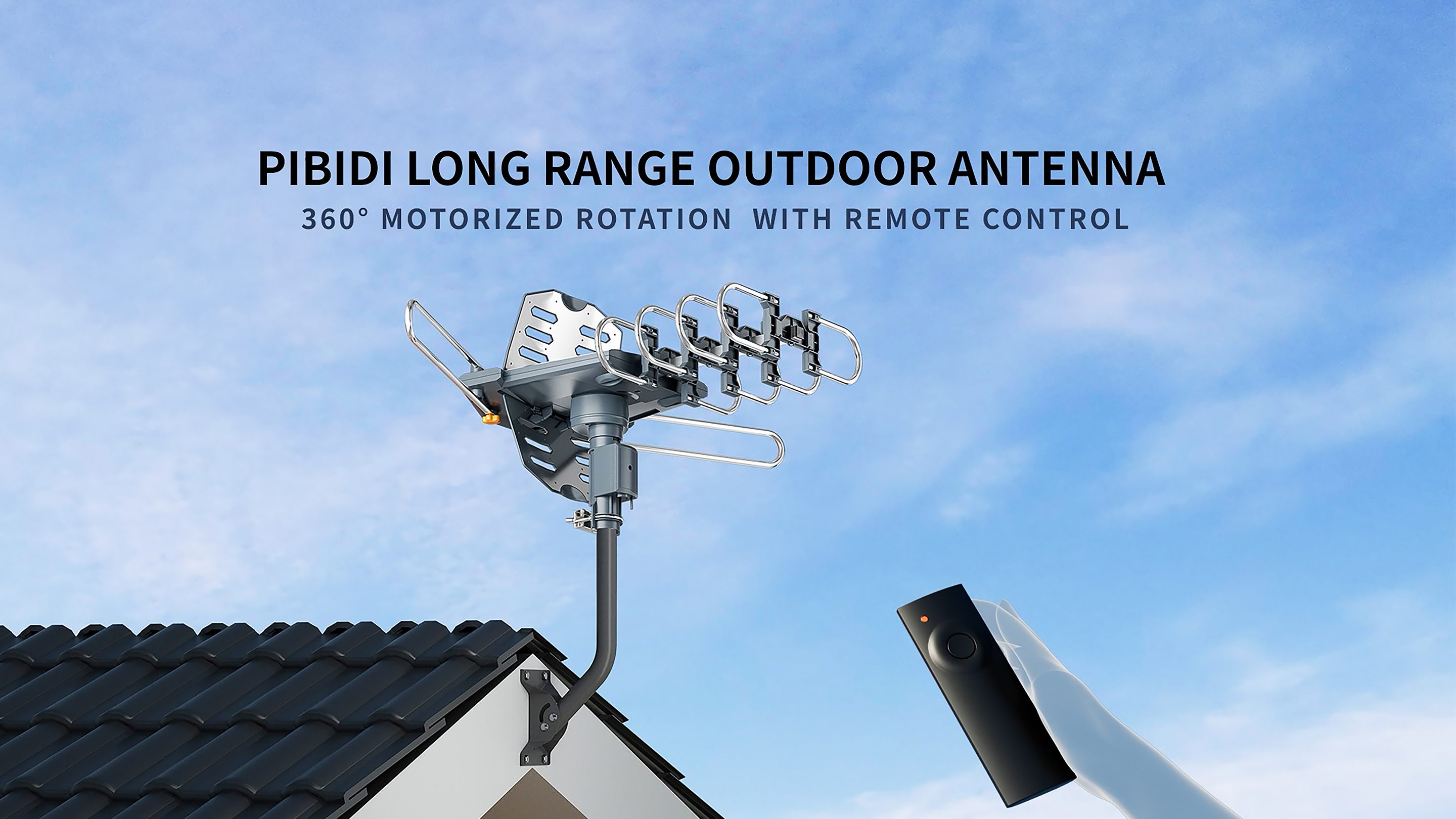
You need a few basic items to set up a metal roof antenna. A grounding wire is essential to protect from lightning. Coaxial cable connects the antenna to your TV. Mounting brackets or clips help fix the antenna in place without damaging the roof.
Tools include a drill, screwdriver, wrench, and wire cutters. A ladder is necessary to reach the roof safely. A signal amplifier might help if the signals are weak. Make sure all equipment fits your roof type and size.
Installation Tips And Techniques
Start by cleaning the roof area where the antenna will go. Attach mounting brackets firmly but avoid drilling too many holes. Connect the grounding wire to a safe grounding point. Run the coaxial cable along the roof edge to the TV inside.
Use cable clips to keep wires tidy and secure. Check antenna direction for the best signal. Test the TV reception before finalizing the setup. Avoid placing the antenna near metal objects that block signals.
Credit: www.amazon.com
Advantages Of Metal Roof Antennas
Metal roofs can serve as effective TV antennas. They offer unique benefits that make them a practical choice. Understanding these advantages helps homeowners decide on their roofing and antenna needs.
Cost Benefits
Using a metal roof as a TV antenna saves money. It reduces the need to buy a separate antenna. Installation costs also drop since the roof already acts as one. Less maintenance means fewer expenses over time. This makes metal roofs a budget-friendly option for TV reception.
Durability And Longevity
Metal roofs last a long time. They withstand harsh weather without damage. This ensures the antenna function remains reliable for years. Unlike traditional antennas, metal roofs do not rust or break easily. Their strength supports consistent TV signal reception over many seasons.
Challenges And Limitations
Using a metal roof as a TV antenna has some real challenges. It is not as simple as it sounds. Metal roofs can block or change TV signals. This makes watching TV less clear or even impossible sometimes.
Also, metal roofs are made for protection, not for catching signals. This means they might not work well as antennas. Below are some key problems to think about.
Signal Interference Factors
Metal roofs can cause signal problems. Metal reflects and bends TV signals. This can create weak or broken signals. The roof’s shape and thickness affect this too.
Signals may bounce in the wrong way. This causes picture flickers or loss. Nearby objects like trees or buildings add to the problem. They block or weaken signals further.
Maintenance Concerns
Metal roofs need regular care. Using a metal roof as an antenna may cause damage. Attaching equipment can scratch or dent the roof. This can lead to leaks or rust over time.
Cleaning a metal roof is harder with antennas installed. Extra care is needed to avoid breaking the antenna or roof parts. Repairs may cost more because of the antenna setup.
Credit: blog.solidsignal.com
Alternative Antenna Options
Metal roofs do not work well as TV antennas. You need a real antenna to get clear signals. Many types of antennas fit different needs and spaces. These alternatives can help you get better TV reception without relying on your metal roof.
Traditional Outdoor Antennas
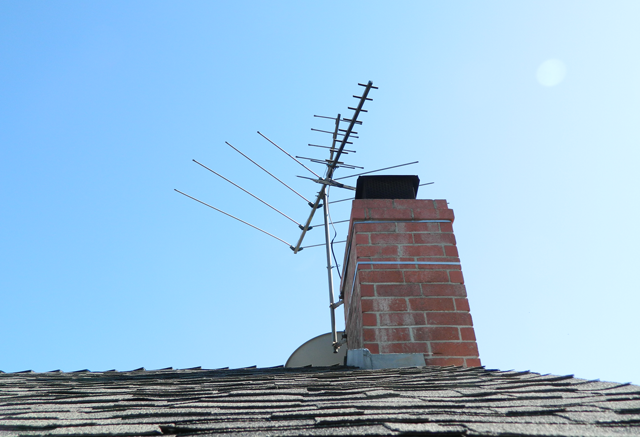
Outdoor antennas are common for strong TV signals. They mount on rooftops or poles outside your home. These antennas catch signals from far away stations. They work well even in areas with weak signals. You can choose from directional or multi-directional antennas. Directional antennas point toward a signal source. Multi-directional antennas catch signals from many directions. Outdoor antennas often provide the best picture quality. They need some installation effort but last long.
Indoor Antenna Choices
Indoor antennas fit inside your home for easy use. They come in many shapes and sizes. Some sit on a table or window. Others mount on walls. Indoor antennas work best near TV towers. They do not need extra tools to install. The signal may be weaker than outdoor antennas. But they are perfect for apartments or rented homes. You can move them to find the best signal. Indoor antennas offer a simple, cable-free way to watch TV.
Conclusion
A metal roof can sometimes help with TV signals, but it is not a true antenna. It may reflect or block signals, affecting picture quality. For the best TV reception, a proper antenna is better. Consider the roof type and signal strength near your home.
Testing different setups can show what works best. Keep the antenna clear of obstructions for better results. Simple steps can improve your TV viewing experience.