
Mounting a TV antenna on a roof starts with choosing a safe spot that has the clearest view toward the broadcast towers. Attach a roof mount or tripod to solid framing, install the mast, and secure the antenna tightly so it can handle wind. Run RG6 coax cable down to the house, seal all outdoor connections, and add a drip loop to keep water out.
For safety and code compliance, ground the mast and coax to your home’s grounding system, then aim the antenna and run a channel scan.
Choosing The Right Antenna
Choosing the right TV antenna is key to getting clear and strong signals. The right antenna helps you watch your favorite shows without interruptions. This section explains different antenna types, what to think about, and which antennas work best on roofs.
Types Of Tv Antennas
There are three main types of TV antennas: indoor, outdoor, and attic antennas. Indoor antennas are small and easy to set up but work best near broadcast towers. Outdoor antennas, especially roof-mounted ones, capture stronger signals from far away. Attic antennas sit inside but still get good signals if placed high.
Outdoor antennas come in directional and omnidirectional types. Directional antennas point to a single signal source. Omnidirectional antennas pick up signals from all directions but may have weaker range.
Factors To Consider
Signal strength in your area affects antenna choice. Check how far you are from broadcast towers using online tools. Weather conditions matter too. Strong winds or heavy rain can affect antenna performance. Choose antennas made with durable materials for outdoor use.
Think about antenna size and weight. Heavier antennas need stronger mounts on the roof. Also, consider the number of channels you want to receive. Some antennas are better for UHF signals, others for VHF, or both.
Best Antenna For Roof Mounting
Roof-mounted antennas must be sturdy and weather-resistant. Yagi antennas are popular for roof use. They offer strong directional signals and good range. Log-periodic antennas also work well. They cover a wide range of frequencies and handle changing signal directions.
A multi-directional antenna suits areas with signals from different directions. Make sure the antenna has rust-resistant coatings. Choose one with a reliable mounting system for easy installation and stability.
Tools And Materials Needed
Mounting a TV antenna on your roof needs careful preparation. Having the right tools and materials helps make the job easier and safer. This section lists everything you need to get started.
Essential Tools
Start with a sturdy ladder for roof access. Use a drill with bits to secure the antenna. A wrench or socket set tightens bolts and screws. A tape measure ensures proper placement. A level keeps the antenna straight. A coaxial cable stripper prepares wires for connection.
Safety Gear
Wear a hard hat to protect your head. Use gloves for better grip and hand protection. Non-slip shoes reduce the risk of falls. Safety goggles shield your eyes from debris. A safety harness adds extra fall protection on steep roofs.
Additional Supplies
Get mounting brackets and clamps suited for your roof type. Use weatherproof sealant to protect connections. Extra coaxial cable may be needed for longer runs. Cable ties keep wires tidy and secure. Grounding wire and clamps protect your system from lightning.
Preparing The Roof
Preparing the roof is the first step to mount a TV antenna safely and effectively. A well-prepared roof ensures the antenna will stay secure during bad weather. It also helps the antenna get the best signal. Take time to prepare the roof carefully before starting the installation.
Selecting The Mounting Location
Choose a spot on the roof with a clear view of the broadcast towers. Avoid places blocked by trees, chimneys, or other buildings. The higher the spot, the better the signal strength. Pick a location that is easy to access for future maintenance.
Checking Roof Stability
Ensure the roof is strong enough to hold the antenna and mounting equipment. Look for any loose or damaged shingles. Check the roof structure under the surface for signs of rot or weakness. A stable roof prevents accidents and keeps the antenna steady.
Clearing The Area
Remove leaves, dirt, and debris from the chosen spot. Clear away any branches or objects that could block the antenna. A clean area allows for a smooth installation and better signal reception. Keep the area tidy to avoid damage during strong winds.
Credit: www.theantennacompany.com.au
Mounting The Antenna
Mounting the antenna on your roof is a key step for clear TV reception. Proper installation ensures the antenna stays stable and captures signals effectively. Follow these simple steps to mount it safely and correctly.
Assembling The Antenna
Start by unpacking all antenna parts. Check the instruction manual for guidance. Connect the elements as shown in the diagram. Tighten screws firmly but avoid over-tightening. Ensure the antenna is straight and balanced for best signal.
Installing The Mounting Bracket
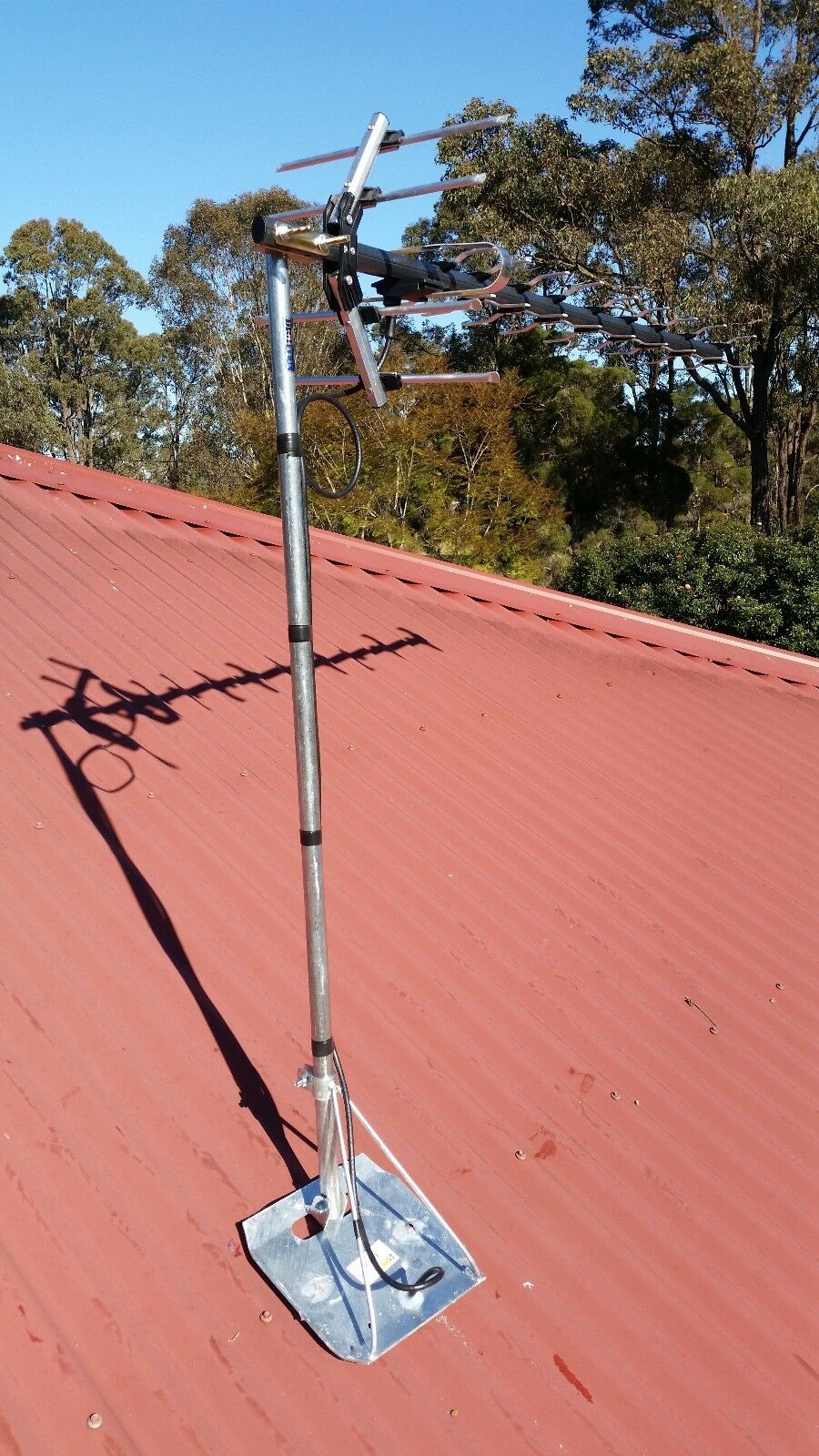
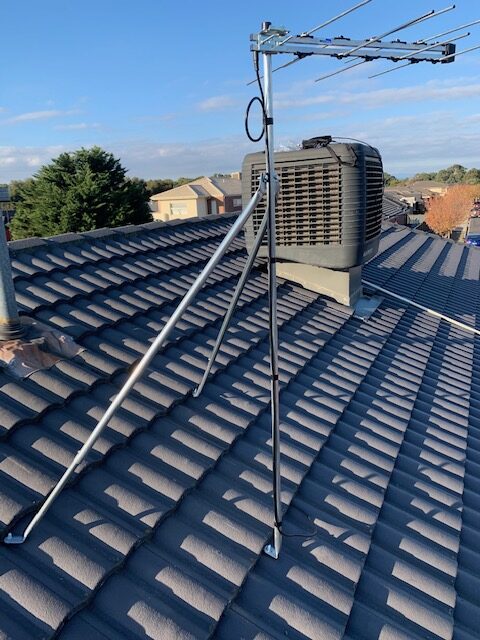
Choose a strong spot on the roof with a clear view of the broadcast towers. Attach the mounting bracket to the roof using screws. Use a level tool to keep the bracket straight. Seal around the screws with waterproof tape to stop leaks. Double-check the bracket is secure before proceeding.
Securing The Antenna
Place the assembled antenna on the mounting bracket. Use bolts and nuts to fasten it tightly. Adjust the antenna direction toward the signal source. Use a signal meter or TV test to find the best angle. Tighten all fasteners again to prevent movement during wind or rain.
Connecting And Aligning
Connecting and aligning your TV antenna on the roof is key for clear signal reception. Proper setup ensures you get the best picture and sound quality. Follow these simple steps for a strong connection and perfect alignment.
Running The Coaxial Cable
Start by attaching the coaxial cable to the antenna’s output port. Use a weatherproof connector to protect the connection from rain. Run the cable neatly along the roof and down the side of your house. Avoid sharp bends and tight loops to keep the signal strong. Secure the cable with clips every few feet to prevent damage.
Pointing The Antenna
Find the direction of the nearest broadcast towers using an online tool or app. Slowly turn the antenna toward that direction. Small adjustments can improve signal quality a lot. Use a compass to aim the antenna accurately. Tighten the mounting bracket to hold the antenna in place once aligned.
Testing Signal Strength
Connect the coaxial cable to your TV or signal meter. Check the signal strength on your device’s menu or meter display. Adjust the antenna slightly left or right to improve the signal. Test different angles to find the strongest reception. Once satisfied, tighten all bolts and seals on the antenna mount.
Ensuring Safety And Maintenance
Mounting a TV antenna on your roof requires more than just installation. Keeping it safe and well-maintained ensures it works well for a long time. Safety protects you and your home. Maintenance keeps the signal strong and clear.
Weatherproofing Connections
Use waterproof tape on all cable connections. Cover exposed wires with protective sleeves. Make sure connectors are tight and sealed. This stops water from causing damage. It also prevents rust and corrosion. A well-protected antenna lasts longer and performs better.
Regular Inspection Tips
Check your antenna every few months. Look for loose parts or wear and tear. Tighten bolts and screws as needed. Remove any debris or dirt around the base. Watch for signs of rust or cracks. Early checks help avoid big problems later.
Troubleshooting Common Issues
Weak signals may come from loose connections. Check cables and tighten them if needed. Antenna direction can affect signal quality. Adjust the antenna to face the broadcast tower. Replace damaged cables or parts quickly. Clear any obstacles blocking the antenna’s line of sight.
Credit: www.jimsantennas.com.au
Conclusion
Mounting a TV antenna on your roof is easier than it seems. Follow the steps carefully and stay safe. Choose the right location for the best signal. Use the right tools to secure the antenna firmly. Test the signal before finalizing the setup.
A strong signal means clearer TV reception. Regularly check the antenna to keep it in good shape. This simple project saves money and improves your viewing. Enjoy better TV without monthly fees or interruptions. Ready to watch your favorite shows with ease?