
Yes, two 180-degree TV antennas can be hooked together, but it only works well if they’re combined the right way. You’ll need a proper coax combiner (or a signal joiner) and both antennas should be aimed at different tower directions to fill coverage gaps. If the same channels hit both antennas slightly out of sync, the signals can cancel each other and actually cause more dropouts. For best results, keep cable lengths similar and test after combining.

Credit: www.amazon.com
How 180 Degree Antennas Work
180 degree TV antennas are designed to catch signals from a wide area. They cover half of a circle, which means they can pick up signals from many directions without moving.
This makes them useful in places where TV towers are spread out in different directions. The antenna’s shape and design help it focus on signals within that 180-degree range.
The antenna collects radio waves and sends them to your TV for clear reception. It balances range and direction to reduce interference from unwanted areas.
Signal Coverage Of 180 Degree Antennas
These antennas cover a broad area, about half the horizon. This helps capture signals from multiple TV towers in different directions.
The wide coverage reduces the need to adjust the antenna often. It works well in urban or suburban areas with many signal sources.
Still, the signal strength may vary depending on distance and obstacles like buildings or trees.
Directional Vs Omnidirectional Antennas
Directional antennas focus on signals from one main direction. They provide stronger signals but cover a smaller area.
Omnidirectional antennas receive signals from all directions equally. Their coverage is 360 degrees, but the signal strength is usually weaker.
180 degree antennas sit between these types. They offer wider coverage than directional antennas but stronger signals than omnidirectional ones.
Credit: www.thefreetvproject.org
Combining Two 180 Degree Antennas
Combining two 180 degree TV antennas can seem like a smart way to boost your signal. Each antenna covers a wide area, so joining them might increase your channel options. Many wonder if this setup really improves reception or just adds complexity. Understanding the basics helps decide if this method fits your needs.
Potential Benefits
Using two antennas can widen the range of signals received. This setup may catch channels from different directions. It can also reduce dead spots in your home. Sometimes, the signal strength improves with combined antennas. This can lead to clearer picture quality and fewer interruptions.
Possible Challenges
Connecting two antennas is not always simple. Signals might interfere with each other, causing poor reception. Proper alignment is crucial for the setup to work well. You may need special equipment like a signal combiner. Incorrect installation can lead to weaker signals or no improvement at all.
Methods To Connect Antennas
Connecting two 180-degree TV antennas can improve your signal range. Different methods exist to hook these antennas together. Choosing the right method affects signal quality and ease of setup. Below are common ways to connect antennas safely and effectively.
Using Antenna Splitters And Combiners
Antenna splitters and combiners help join signals from multiple antennas. A combiner merges signals into one cable for your TV. This method boosts signal strength and coverage. Use a high-quality combiner to reduce signal loss. Splitters do the opposite; they divide one signal into multiple outputs. For connecting two antennas, a combiner is usually best. Make sure the device matches your antenna type and frequency.
Proper Wiring Techniques
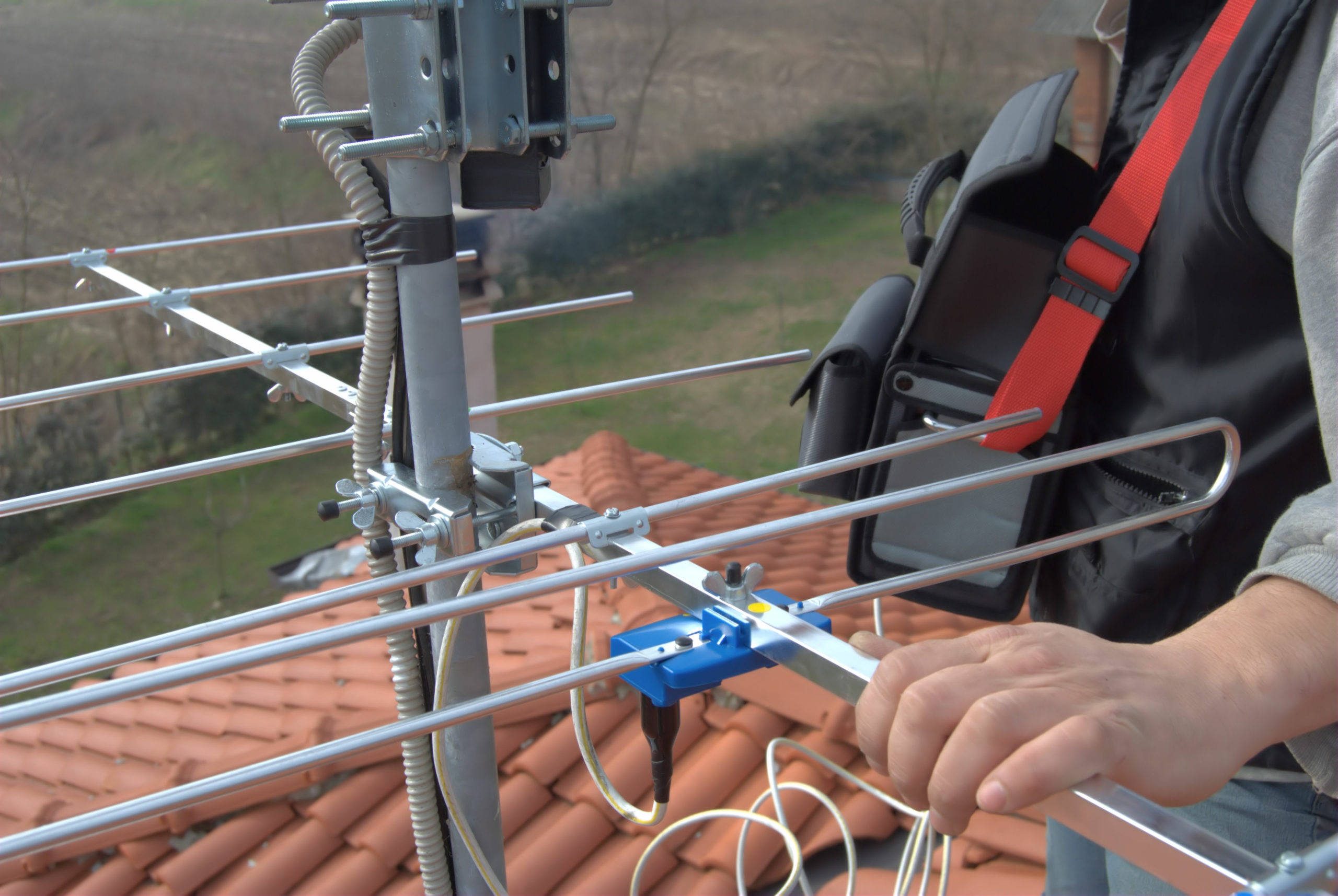
Wiring plays a key role in antenna connection quality. Use coaxial cables with low signal loss. Keep cable lengths as short as possible to avoid weakening signals. Secure all connections tightly to prevent interference. Avoid sharp bends or kinks in the cables. Ground your antennas and wiring for safety and better performance. Check all connections regularly to maintain signal strength.
Credit: blog.solidsignal.com
Impact On Signal Quality
Connecting two 180-degree TV antennas can change how your signal works. This setup affects the quality of the TV signal you get. Some changes may be good, but others can cause problems. Understanding these effects helps you decide if hooking antennas together is right for you.
Interference Risks
Combining antennas can cause interference between signals. This happens when signals overlap or clash. Interference makes the picture fuzzy or causes channels to drop. Sometimes, antennas pick up signals from unwanted directions. This adds noise and lowers signal clarity.
Signal Strength Considerations
Two antennas can increase signal strength if aligned well. Stronger signals improve picture quality and reduce dropouts. But poor setup can weaken signals instead. Signal strength depends on antenna placement and connection quality. Proper cables and connectors help maintain good strength.
Antenna Placement Tips
Proper antenna placement is key for clear TV signals. Two 180 degree antennas can cover a wide area, but placement affects performance. Follow simple tips for better signal strength and quality.
Optimal Positioning For Combined Antennas
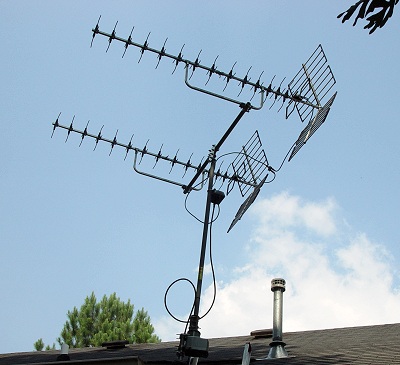
Place antennas high, such as on a roof or attic. Higher spots catch signals better and reduce interference. Keep antennas away from metal objects and walls. Angle each antenna slightly apart to cover different directions. This helps avoid overlapping signals and improves reception.
Avoiding Signal Blockages
Remove obstacles like trees, buildings, or furniture near antennas. These block or weaken signals. Check for nearby electronics that cause interference and move antennas away from them. Clear line of sight to broadcast towers is best. Regularly inspect and adjust antennas for best results.
Alternatives To Hooking Antennas Together
Combining two 180-degree TV antennas can be tricky and may not always improve signal quality. Instead, consider other options that work better and are easier to manage. Alternatives to hooking antennas together can save time and give a more reliable TV signal. Below are two practical choices.
Using A Single 360 Degree Antenna
A single 360-degree antenna picks up signals from all directions. This removes the need to rotate or adjust the antenna. It covers a wider area and receives channels from different locations. This option is simpler and often more effective than joining two antennas. It also reduces cable clutter and installation issues.
Upgrading To A More Powerful Antenna
Upgrading to a stronger antenna can boost signal strength. More powerful antennas capture weaker or distant signals better. They come in different designs for urban or rural areas. A good upgrade means fewer signal drops and clearer picture quality. This is a smart choice if your current antenna struggles to get channels.
Conclusion
Two 180-degree TV antennas can be hooked together in certain cases. This setup may improve signal range and quality. Proper connection and alignment are key to success. Using the right splitter or combiner helps avoid signal loss. Testing different positions can find the best reception.
Always check your antenna’s compatibility before combining. Simple steps can boost your TV watching experience. Experiment carefully and enjoy clearer channels at home.