
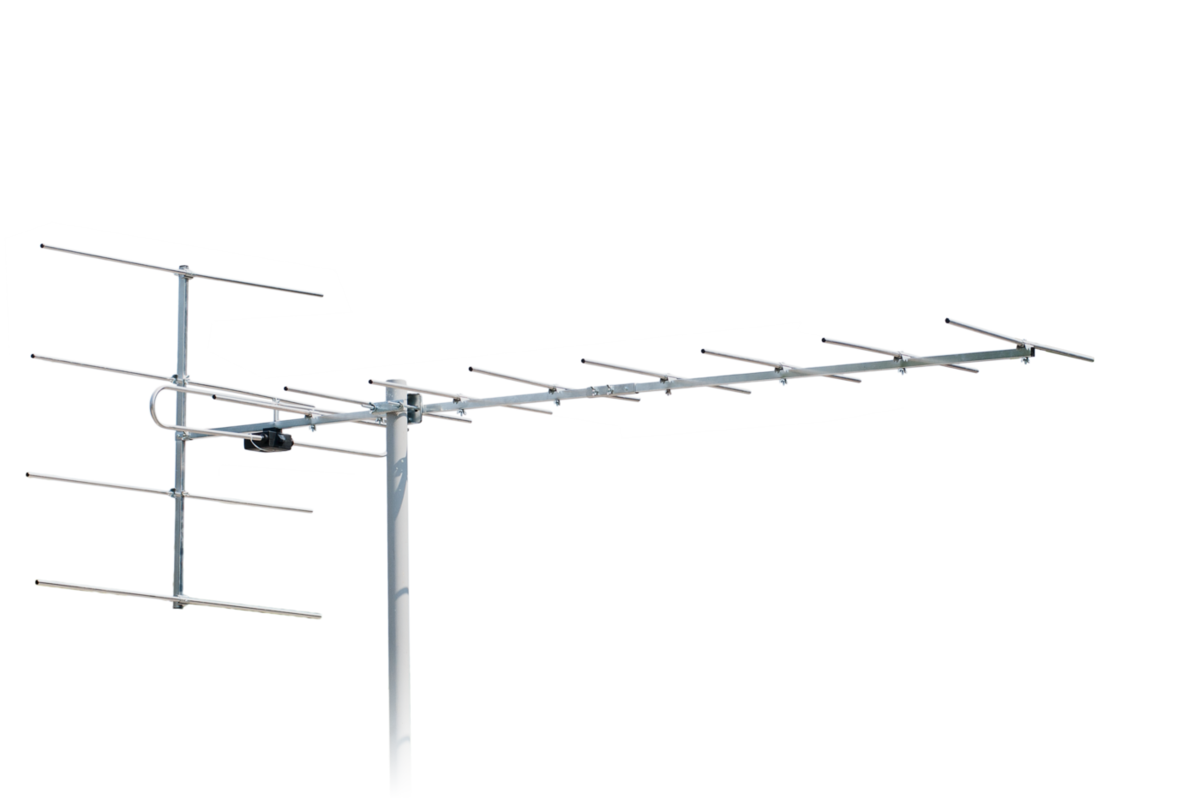
Yes, many TV antennas are VHF, but most modern “HD antennas” are actually designed to receive both VHF and UHF channels. Some local stations still broadcast on VHF (especially VHF-High channels 7–13), while many others use UHF, so a combo antenna usually works best. If your antenna is “UHF-only,” you may miss certain major networks in some areas, so it’s smart to check what your local towers use before buying.
Credit: www.iskra.eu
What Is Vhf In Tv Antennas
VHF stands for Very High Frequency. It is a type of radio wave used by TV antennas to receive signals. Many TV channels broadcast their signals in the VHF range. Understanding VHF helps you choose the right antenna for better TV reception.
What Frequency Range Does Vhf Cover?
VHF covers frequencies from 30 MHz to 300 MHz. For TV, the common VHF range is 54 MHz to 216 MHz. This range includes channels 2 through 13. Signals in this range travel longer distances than higher frequencies.
How Does Vhf Affect Tv Signal Quality?
VHF signals travel well over hills and buildings. They can bend around obstacles more than UHF signals. This makes VHF good for rural or suburban areas. However, VHF signals can be affected by electrical noise.
Why Choose A Vhf Tv Antenna?
A VHF antenna is designed to pick up lower frequency signals. It usually has larger elements to capture longer waves. Choosing a VHF antenna can improve reception of local channels. Many antennas combine VHF and UHF capabilities for better coverage.
How Vhf Signals Work
VHF stands for Very High Frequency. It is a range of radio frequencies used for TV broadcasts. VHF signals travel through the air and carry TV channels to your antenna.
These signals have a longer wavelength than UHF signals. This helps them travel farther and go through obstacles better. That is why VHF signals work well in rural and hilly areas.
Frequency Range Of Vhf Signals
VHF signals operate between 30 MHz and 300 MHz. TV broadcasts usually use frequencies from 54 MHz to 216 MHz. This range is divided into two bands: low VHF and high VHF.
Low VHF covers channels 2 to 6. High VHF covers channels 7 to 13. Each band has specific uses for different TV channels.
Propagation Of Vhf Signals
VHF signals travel in straight lines but can bend slightly over hills. They also reflect off buildings and mountains. This reflection helps signals reach places behind obstacles.
VHF signals are less affected by weather than higher frequency signals. Rain or fog usually does not block VHF signals much. This makes them reliable for TV reception.
Reception With Vhf Antennas
VHF antennas are designed to catch these long waves. They have larger elements than UHF antennas. This helps them capture the lower frequencies effectively.
Placing the antenna high and clear of obstacles improves signal strength. Directional antennas can focus on specific signals. This reduces interference and improves picture quality.
Types Of Tv Antennas For Vhf
TV antennas for VHF come in different types. Each serves a unique purpose and suits different setups. Choosing the right antenna helps get clear channel signals. This guide covers the main types of VHF antennas.
Indoor Vhf Antennas
Indoor VHF antennas are compact and easy to install. They work well in areas with strong signal strength. These antennas fit near your TV or window. They avoid outdoor weather problems. Indoor antennas are perfect for apartments or small homes.
Outdoor Vhf Antennas
Outdoor VHF antennas are larger and mounted outside. They capture signals from far away broadcast towers. These antennas provide better reception in weak signal areas. They resist wind, rain, and sun damage. Outdoor antennas often require professional installation.
Combination Vhf/uhf Antennas
Combination antennas receive both VHF and UHF signals. They allow access to more TV channels. These antennas come in indoor and outdoor models. They save space and reduce equipment costs. Perfect for viewers wanting a variety of channels.
Benefits Of Using Vhf Antennas
VHF antennas offer several benefits for TV reception. They capture signals that travel long distances. This makes them ideal for rural or suburban areas. VHF antennas often provide clearer pictures and better sound quality. Their design allows them to pick up lower frequency channels easily.
Using a VHF antenna can save money. Many free TV channels broadcast on VHF frequencies. This means you can watch local news and shows without paying cable fees. Also, VHF antennas are simple to install and maintain. They usually require less space than other antenna types.
Improved Signal Range
VHF antennas receive signals from farther away. Their ability to catch low-frequency waves helps cover wide areas. This benefit is perfect for viewers living far from broadcast towers.
Better Picture And Sound Quality
VHF signals often face less interference. This results in clearer images and sharper sound. Watching TV feels more enjoyable with fewer interruptions.
Cost-effective Tv Solution
VHF antennas allow access to many free channels. This reduces the need for expensive cable or satellite plans. It is an affordable option for families on a budget.
Easy Installation And Maintenance
Most VHF antennas are simple to set up. They need little space and few tools. Ongoing maintenance is minimal, making them user-friendly for all.
Challenges With Vhf Antenna Reception
VHF antenna reception faces several challenges that affect signal quality. These challenges can make it hard to get clear TV channels. Understanding these issues helps improve your viewing experience.
VHF signals travel longer distances but are weaker than UHF signals. This weakness makes them more prone to interference and obstacles.
Signal Interference And Noise
VHF signals often experience interference from electrical devices. Power lines, radios, and even household appliances create noise. This noise disturbs the antenna’s ability to catch a clear signal.
Physical Obstacles
Buildings, trees, and hills block VHF signals easily. These obstacles cause signal reflections and weaken reception. Positioning the antenna higher can reduce these issues.
Weather Conditions
Rain, snow, and fog affect VHF signal strength. Moisture in the air absorbs or scatters the signals. Bad weather often results in poor picture quality or signal loss.
Limited Channel Options
VHF band offers fewer channels than UHF. Many broadcasters now use UHF for better quality. This limits the usefulness of VHF antennas for some viewers.
Choosing The Right Antenna For Vhf
Choosing the right antenna for VHF signals ensures clear and reliable TV reception. VHF signals travel differently than UHF, so the antenna must match these unique traits. Several factors affect antenna performance, including location, size, and compatibility. This guide helps you select the best antenna for VHF channels.
Location And Signal Strength
Signal strength varies by location. Areas close to broadcast towers need smaller antennas. Farther locations require larger or more powerful antennas. Obstacles like buildings and trees can block signals. Choose a spot with a clear line of sight to the tower. Test signal strength using online tools or apps before buying.
Antenna Size And Design
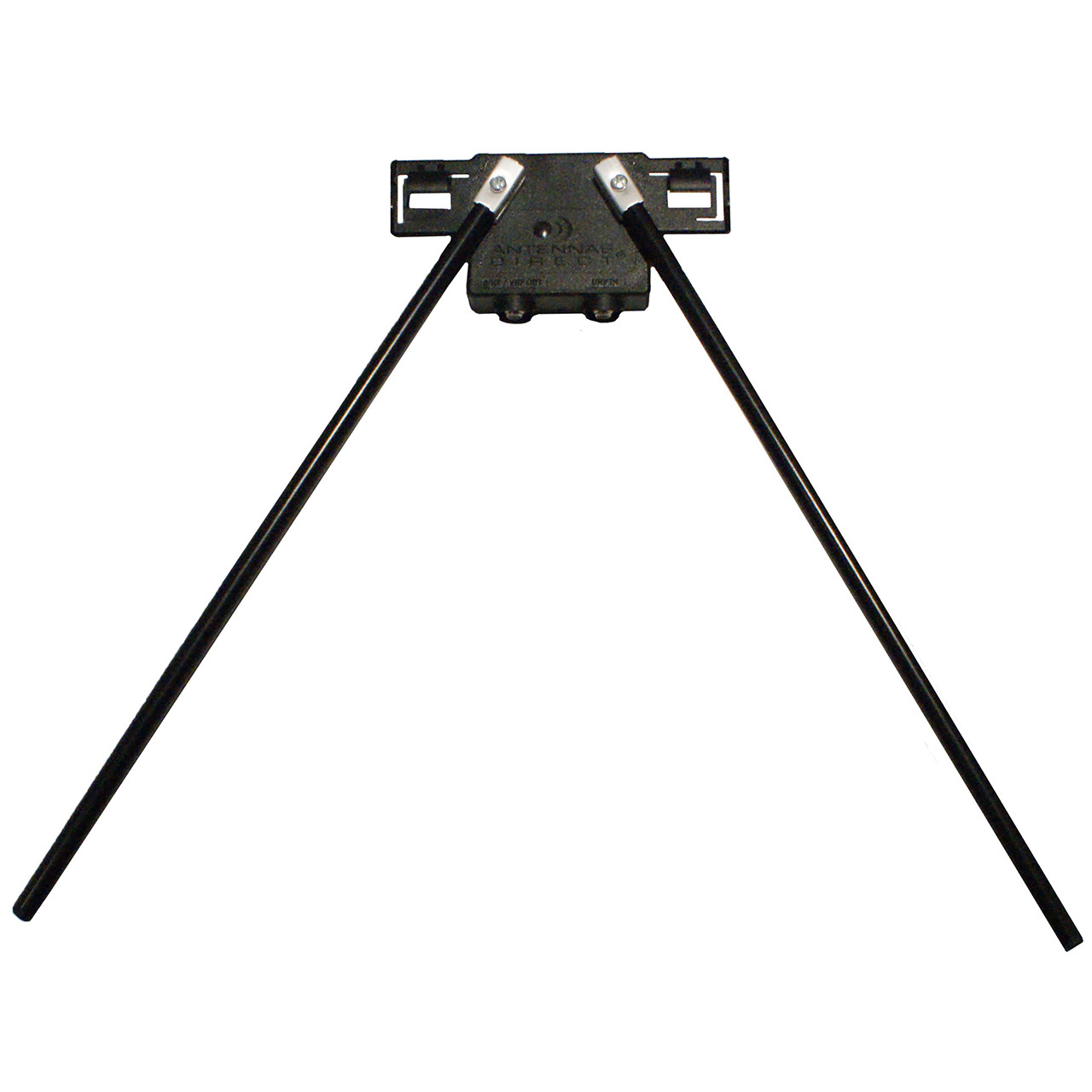
VHF antennas usually have longer elements than UHF antennas. Longer elements catch lower frequency signals better. Design types include dipole, loop, and Yagi antennas. Dipole antennas are simple and good for strong signals. Yagi antennas are directional and work well for weak signals. Pick an antenna size and design based on your signal needs.
Compatibility With Tv Systems
Check if the antenna supports your TV’s system. Most modern TVs accept both VHF and UHF signals. Older TVs may need a separate tuner or converter box. Digital signals require digital-ready antennas. Ensure the antenna matches the broadcast format in your area. This avoids compatibility issues and signal loss.
Setting Up A Vhf Antenna
Setting up a VHF antenna is important for clear TV reception. Proper setup ensures strong signals and fewer interruptions. Follow simple steps to place and adjust the antenna for the best results.
Optimal Placement Tips
Place the VHF antenna as high as possible. Higher spots reduce obstructions like buildings or trees. Avoid metal objects near the antenna; they can block signals. Point the antenna toward the broadcast towers. Check local maps or websites for tower directions. Outdoor setups often get better signals than indoor ones. Use a sturdy mount to keep the antenna steady in wind or rain.
Adjusting For Best Signal
Slowly turn the antenna while watching your TV signal strength. Small movements can improve or weaken the signal. Try different angles to find the strongest reception. Use a signal meter if available for precise adjustments. After adjusting, tighten all screws to hold the position. Check multiple channels to ensure good signal on all VHF frequencies. Regularly inspect and adjust the antenna if signals drop over time.

Credit: www.amazon.com
Future Of Vhf Tv Broadcasting
The future of VHF TV broadcasting faces many changes and challenges. VHF signals cover large areas and reach many homes. This makes them important for rural and remote regions. Broadcasters and engineers are working to keep VHF relevant in a digital world.
New technology aims to improve signal quality and reduce interference. At the same time, digital TV standards are evolving. This affects how VHF channels are used and received. The balance between old and new systems will shape VHF’s future.
Advances In Digital Vhf Transmission
Digital signals use VHF frequencies more efficiently. They carry better picture and sound quality. Broadcasters are exploring ways to update VHF transmitters for digital use. This helps viewers get clearer channels without extra costs.
Role Of Vhf In Emergency Broadcasting
VHF remains crucial for emergency messages. Its wide reach helps deliver alerts during disasters. Authorities plan to keep VHF as a backup for digital networks. This ensures public safety even if other systems fail.
Impact Of Spectrum Reallocation
Governments are shifting some VHF frequencies to mobile services. This reduces space for traditional TV channels. Broadcasters must adapt by using fewer VHF channels or moving to UHF bands. This change affects antenna designs and reception quality.
Integration With Smart Tv Technologies
Smart TVs now support multiple signal types, including VHF. This integration allows viewers to access VHF channels easily. Future TVs may enhance VHF reception with built-in digital tuners. This keeps VHF accessible without extra equipment.
Credit: store.antennasdirect.com
Conclusion
TV antennas do work with VHF signals. They help catch channels broadcast on VHF frequencies. Choosing the right antenna improves your TV reception. Many homes still rely on VHF for local channels. Antennas designed for VHF offer clear picture quality.
Simple setups often bring better TV viewing. Check your area’s signal type before buying an antenna. Understanding VHF helps pick the best antenna for you. Enjoy free TV with the right antenna choice. It’s a smart and easy way to watch local shows.