
To make a good homemade TV antenna, use a simple design that’s proven to work for UHF channels, like a bowtie or coat-hanger antenna, and connect it to quality coax cable. Keep the metal elements straight and evenly spaced, mount the antenna as high as possible, and place it near a window or in the attic for a cleaner signal. Use RG6 coax, avoid long cable runs, and remove unnecessary splitters to reduce signal loss.
After setup, aim it toward the broadcast towers and run a channel scan to lock in the strongest channels.
Materials Needed
Gathering the right materials is the first step to build a good homemade TV antenna. Choosing quality parts ensures better signal reception. The materials are simple and easy to find.
Essential Tools
Some basic tools help you assemble the antenna quickly. A pair of wire cutters is needed to trim wires. Pliers help bend and shape metal parts. A screwdriver is useful for securing screws and connectors. A measuring tape ensures correct lengths of wire. A soldering iron can join wires firmly, but tape works too.
Types Of Wire
Choosing the right wire improves antenna performance. Copper wire is best for its conductivity. Aluminum wire works but is less efficient. Use solid wire instead of stranded wire. The thickness should be about 14 to 18 gauge. Avoid very thin wire that breaks easily.
Additional Components
Other parts make your antenna strong and stable. A wooden or plastic base holds the antenna parts. Coaxial cable connects the antenna to your TV. Screws and bolts keep parts in place. Electrical tape insulates exposed wires. A balun transformer can improve signal quality, but it is optional.
Choosing The Right Design
Choosing the right design for a homemade TV antenna is very important. The design affects how well your antenna picks up signals. Some designs work better for certain areas and signal types. This section explains three common antenna designs. Each design has its own strengths and suits different needs. Understanding these can help you build a better antenna.
Dipole Antenna
The dipole antenna is simple and easy to build. It has two metal rods or wires in a straight line. This design works well for receiving strong signals nearby. It is a good choice for beginners. The dipole antenna is best for VHF and UHF signals. Its simple shape helps catch signals from many directions.
Bowtie Antenna
The bowtie antenna looks like a butterfly or bowtie shape. It has wide arms that collect more signal than a dipole. This design works well in areas with weak or distant signals. The bowtie antenna is good at catching UHF channels. It also handles interference better, making your picture clearer.
Loop Antenna
The loop antenna uses a circular or square wire loop. It is good at reducing noise and interference. This design works well in urban areas with many signal sources. The loop antenna can pick up both VHF and UHF signals. Its compact size makes it easy to place indoors or outdoors.
Step-by-step Assembly
Building a homemade TV antenna can save money and improve your signal. Follow these simple steps to assemble your antenna correctly. Each step is clear and easy to follow. Take your time and prepare all materials before starting.
Preparing The Wire
Start by cutting the wire into equal lengths. Use copper or aluminum wire for better signal reception. Strip about one inch of insulation from both ends. Straighten the wire pieces carefully. Make sure the wires are clean and free of rust or dirt. This helps the antenna work well.
Constructing The Frame
Use a wooden or plastic board for the frame. Mark spots for the wire to attach evenly. Attach small nails or screws where the wire will wrap. Keep the frame square for better performance. The frame holds the wires in the right shape. This shape helps catch TV signals clearly.
Connecting The Components
Wrap each wire end around the nails or screws tightly. Connect the wires to a coaxial cable for your TV. Use electrical tape to secure connections and prevent loose contacts. Check all connections twice to avoid signal loss. Connect the other end of the coaxial cable to your TV or signal booster. Your homemade antenna is now ready to use.

Credit: www.wikihow.com
Positioning For Best Signal
Positioning your homemade TV antenna is key to getting clear signals. The right spot can improve picture quality and reduce interruptions. Small changes in placement often make a big difference. Consider your space and signal sources carefully before settling on a location.
Indoor Placement Tips
Place the antenna near a window facing the broadcast towers. Avoid walls made of metal or concrete, which block signals. Higher spots, like shelves or near the ceiling, often work better. Keep the antenna away from electronic devices that cause interference. Try moving it around to find the clearest reception.
Outdoor Installation
Mount the antenna as high as possible, such as on a roof or tall pole. Make sure it points toward the nearest TV towers. Avoid nearby trees, buildings, or other objects that can block signals. Secure the antenna firmly to prevent movement from wind. Use weatherproof materials to protect the antenna from rain and sun.
Adjusting For Optimal Reception
Turn the antenna slowly while watching the TV signal strength. Small adjustments can reveal better reception. Check different angles and heights to find the best spot. Be patient and test several positions over time. Use a signal meter app or TV signal menu to guide your tuning.
Testing And Troubleshooting
Testing and troubleshooting your homemade TV antenna is an important step. It helps ensure clear picture and sound quality. Small problems can affect reception. Checking and fixing issues early saves time and effort.
Signal Strength Checks
Start by checking the signal strength on your TV. Use the TV’s built-in signal meter if available. Move the antenna slowly to find the best position. Note any changes in signal quality. Test different times of the day. Signals may vary due to weather or interference.
Common Issues
Loose connections often cause weak signals. Tighten all cables and connectors. Broken wires or damaged parts reduce reception. Inspect the antenna for visible damage. Nearby metal objects can block signals. Keep the antenna away from large metal surfaces. Electrical devices like microwaves can cause interference. Switch off devices to see if signal improves.
Improving Reception
Raising the antenna higher can boost signal strength. Use a non-metallic pole to avoid interference. Adjust the antenna direction slowly toward the broadcast tower. Add a simple reflector behind the antenna to focus signals. Use a signal amplifier if signals remain weak. Keep the antenna away from thick walls or heavy curtains. Test changes one at a time for best results.

Credit: somanyhobbies.wordpress.com
Safety Precautions
Safety is the top priority when making a homemade TV antenna. Taking simple precautions protects you from accidents. Follow clear steps to stay safe and finish your project without harm.
Handling Tools Safely
Use tools carefully. Hold them firmly to avoid slips. Always cut away from your body. Wear gloves to protect your hands from sharp edges. Keep your workspace clean and organized. Store tools properly after use to prevent injuries.
Avoiding Electrical Hazards
Never work near power lines or electrical wires. Use insulated tools to reduce shock risks. Check that no wires are live before touching them. Avoid working in wet conditions to prevent electric shock. Keep your antenna away from electrical equipment. Always disconnect power sources before starting any electrical work.
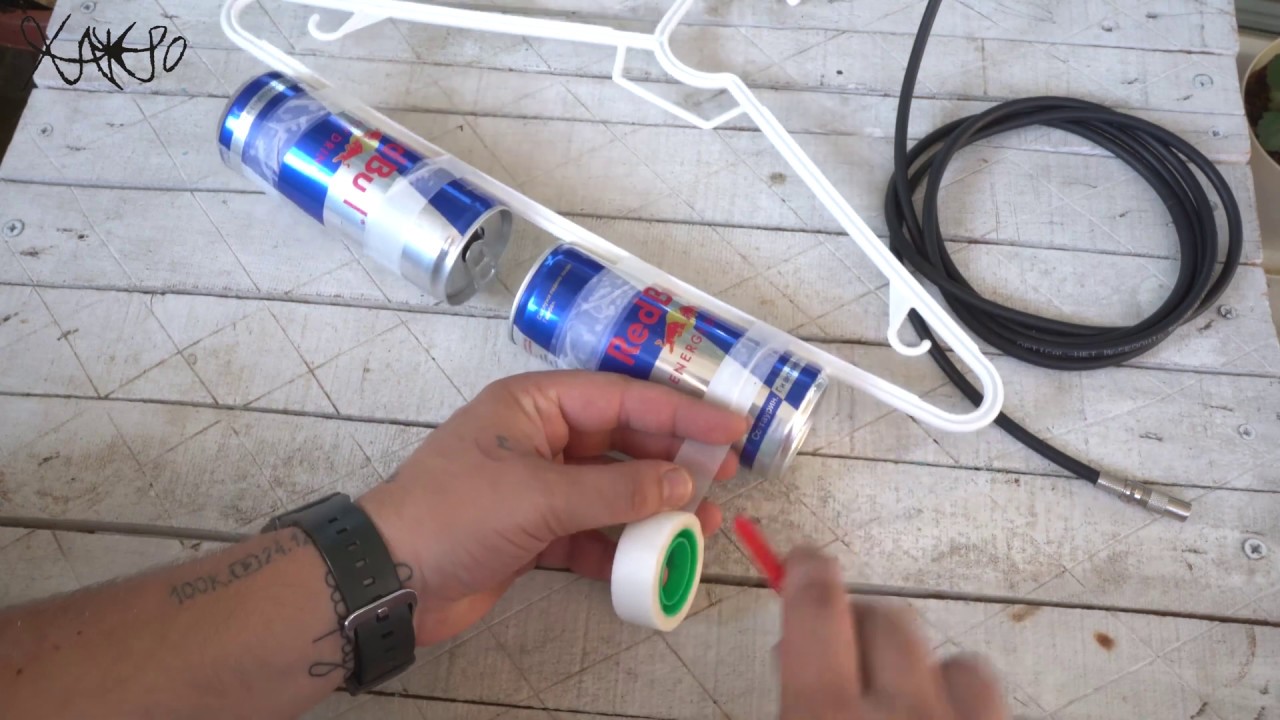
Credit: www.youtube.com
Conclusion
Building a good homemade TV antenna is simple and rewarding. You only need basic materials and clear steps. This antenna helps you watch free TV channels without extra cost. Adjust the antenna direction for the best signal. Enjoy better picture quality and more channel options.
Try making your own antenna and see the difference. It saves money and gives you more control over your TV. Keep experimenting to find what works best for your home. Simple, cheap, and effective—this project suits anyone.