
Yes, tin foil can help a TV antenna in some cases, but it’s not a guaranteed fix. Foil can act as a reflector that pushes more signal toward the antenna, which may improve reception if your antenna is weak or pointed the wrong way. It can also make things worse by adding noise or reflecting the signal in the wrong direction.
If you try it, place the foil behind the antenna (not wrapped around it), then rescan channels and compare results.
How Tv Antennas Work
TV antennas catch signals sent through the air by broadcast stations. These signals carry video and sound for your television. Antennas change these signals into electrical currents your TV can read.
Different antennas pick up signals better in certain places. The design, size, and direction of an antenna affect its performance. Understanding how antennas work helps explain if tin foil can improve signal quality.
Signal Reception
Antennas receive radio waves from TV stations. These waves travel long distances through the air. The antenna’s shape helps it catch as many waves as possible. Stronger signals mean clearer pictures and sound on your TV.
Signal Conversion
The antenna turns radio waves into electric signals. These electric signals carry the information your TV uses. The TV then processes this data to show channels on the screen. Good conversion means better picture quality.
Signal Direction
Antennas work best when pointed toward the broadcast towers. Directional antennas focus on signals from one direction. Omnidirectional antennas catch signals from all around. Proper antenna placement improves signal strength.
Interference And Signal Loss
Buildings, trees, and weather can block or weaken signals. Metal objects nearby may cause interference. This leads to poor picture quality or lost channels. Understanding interference helps in finding ways to boost signals.
Role Of Tin Foil With Antennas
Tin foil, or aluminum foil, can affect TV antennas in small ways. People often try it to improve signal strength. The idea comes from the foil’s ability to reflect signals. This reflection can sometimes help the antenna catch more waves.
Using tin foil is a simple and cheap method. It does not need special tools or skills. Still, the results are not always clear or strong. The effect depends on the antenna type and signal conditions.
How Tin Foil Reflects Signals
Tin foil works by bouncing radio waves back towards the antenna. This bounce can add more signals for the antenna to catch. It acts like a small mirror for signals.
Placing foil behind or around the antenna can focus signals. This helps the antenna pick up weak channels better. The foil must be placed carefully for best results.
Using Tin Foil As A Signal Booster
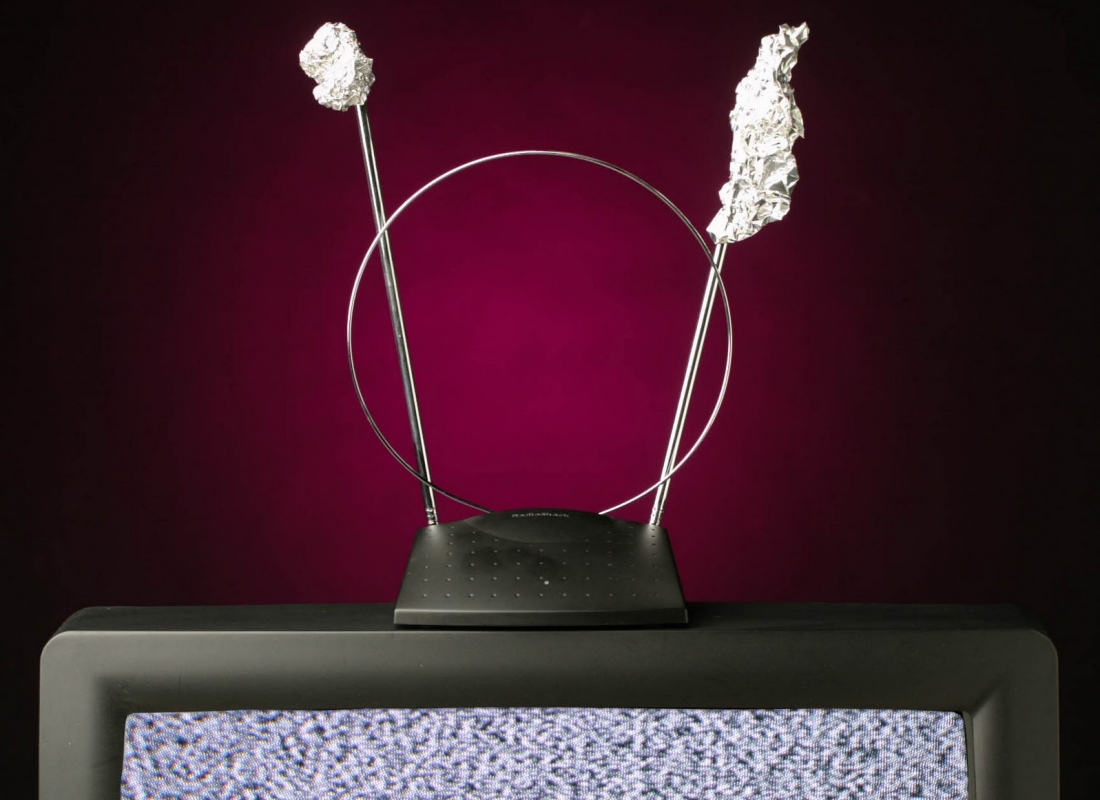
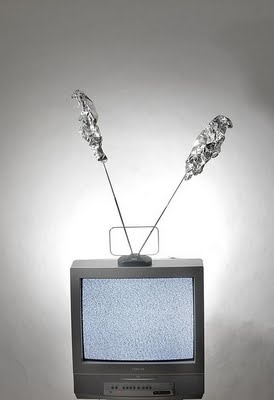
People wrap foil around antenna parts to boost signals. The foil increases the antenna’s surface area. More surface means a better chance to catch signals.
Sometimes, foil is shaped into a cone or flat sheet. This guides signals toward the antenna’s receiver. The booster effect is small but can improve weak signals.
Limitations Of Tin Foil With Tv Antennas
Foil does not fix all signal problems. It cannot help with very weak or blocked signals. Walls, trees, and distance affect signals more than foil.
Improper foil use can cause signal loss. Too much foil or wrong placement may block signals. Testing different setups is key to success.
Common Uses Of Tin Foil In Signal Boosting
Tin foil is popular for boosting signals in simple ways. It reflects and directs waves to improve reception. People use it in many home projects to help devices get better signals. This section explains common uses of tin foil in signal boosting.
Enhancing Tv Antenna Reception
Wrapping tin foil around a TV antenna helps catch more signals. It works by reflecting signals toward the antenna’s receiver. This can improve picture quality and reduce signal loss. Many users fold tin foil into shapes to focus signals better.
Improving Wi-fi Signal Strength
Placing tin foil behind a Wi-Fi router can boost signal range. The foil acts like a shield to direct the signal forward. This method reduces signal waste and focuses coverage in one direction. It helps in rooms where Wi-Fi is weak or unstable.
Boosting Radio Signal Reception
Radio antennas wrapped or surrounded by tin foil get stronger signals. The foil helps by reflecting radio waves toward the antenna. This can lead to clearer sound and fewer dropouts. It is a low-cost way to enhance radio performance.
Mobile Phone Signal Improvement
Some people use tin foil to improve mobile phone signal indoors. The foil can reflect signals to areas with weak reception. It is often shaped into small reflectors near windows or phones. This simple trick can reduce call drops and improve data speed.
Effectiveness Of Tin Foil On Tv Reception
Many people wonder if tin foil can improve TV signal reception. This idea comes from tin foil’s ability to reflect signals. But how well does it really work for TV antennas? The answer depends on several factors.
TV antennas receive signals from broadcast towers. Sometimes these signals are weak or blocked by obstacles. Tin foil might help by directing or boosting these signals. Yet, its effectiveness varies greatly.
How Tin Foil Affects Signal Strength
Tin foil can reflect radio waves, which include TV signals. Placing foil near an antenna might focus the signal better. This could increase signal strength in some cases. But foil can also cause signal interference. This happens when signals bounce in unwanted ways.
Practical Uses Of Tin Foil On Tv Antennas
People often wrap parts of antennas with foil or create small reflectors. These attempts can sometimes improve reception slightly. Foil works best in areas with weak but steady signals. In places with very poor signals, foil may not help much.
Limitations Of Using Tin Foil
Foil does not fix major problems like distance from towers or heavy signal blockage. It can also degrade over time or get damaged. Using foil incorrectly might reduce signal quality. Proper antenna placement and quality often matter more.
Diy Tin Foil Antenna Enhancements
DIY tin foil antenna enhancements can improve your TV signal. Tin foil is easy to find and use. It can reflect and focus signals better. Small changes can make a big difference in reception.
These simple tweaks help boost your antenna’s power. You do not need special tools or skills. Just some tin foil and a little time can help.
Creating A Tin Foil Reflector
Cut a piece of tin foil larger than your antenna. Shape it like a curved shield behind the antenna. This reflector bounces signals toward the antenna. It can increase signal strength and reduce interference.
Wrapping Antenna Elements With Tin Foil
Cover antenna rods or wires lightly with tin foil. This can improve signal capture by increasing surface area. Be careful not to block the antenna completely. A thin, even layer works best.
Making A Tin Foil Signal Booster
Fold tin foil into a small cone or funnel shape. Place it around the antenna’s feed point. This focuses signals into the antenna’s receiver. It can help especially with weak or distant signals.
Credit: www.thefreetvproject.org
Alternatives To Tin Foil For Signal Improvement
Many people use tin foil to boost TV antenna signals. It can help a little but is not the best solution. Better options can give clearer TV pictures and stronger signals. These alternatives work well and are easy to try.
Some solutions improve signal strength without much cost or effort. They help reduce interference and increase your TV’s reception. Below are some simple and effective ideas.
Using A Signal Amplifier
A signal amplifier boosts weak signals from the antenna. It makes the TV receive channels more clearly. Amplifiers are small devices that connect between the antenna and TV.
They work best in areas with weak signals or many obstacles. Choose one made for your antenna type. Installing an amplifier is easy and can improve picture quality fast.
Adjusting Antenna Position
Moving the antenna can make a big difference. Higher locations often get better signals. Try placing the antenna near a window or outside if possible.
Turn the antenna slowly to find the best direction. This simple step can reduce signal loss and improve channel reception. Sometimes, small changes give great results.
Upgrading To A Better Antenna
Old or cheap antennas may not catch signals well. A newer model with better design can help a lot. Look for antennas with good reviews for your area.
Some antennas are made to pick up signals from far away towers. Investing in a quality antenna can save frustration and improve your viewing experience.
Using Reflectors Made For Antennas
Special antenna reflectors focus signals toward the antenna. They work like mirrors to direct more signal power. These reflectors are better than random tin foil pieces.
You can buy ready-made reflectors or build simple ones from metal sheets. Proper reflectors help reduce signal drop and boost reception quality.
Troubleshooting Antenna Signal Issues
Signal issues with TV antennas can be frustrating. Poor reception makes watching your favorite shows difficult. Troubleshooting helps find and fix these problems fast.
Small changes can improve the signal a lot. This section guides you through common antenna signal issues and how to solve them.
Check Antenna Position And Direction
Moving your antenna can change the signal strength. Try different angles and heights. Point the antenna toward the nearest broadcast tower. Small shifts may bring better reception.
Inspect Cable And Connections
Damaged cables cause signal loss. Look for cuts, bends, or loose ends. Tighten all connections firmly. Replace old or broken cables for a clearer signal.
Use Tin Foil To Boost Signal
Tin foil can reflect signals toward your antenna. Wrap a small piece around the antenna’s metal parts. This may improve reception slightly. It works best on simple antennas.
Reduce Interference From Electronics
Other electronics can block signals. Keep your antenna away from devices like routers and microwaves. Turn off nearby electronics to test if the signal improves.
Rescan Channels Regularly
Channels may change over time. Rescan your TV’s channels every few weeks. This updates your list and catches new or moved stations.
Credit: www.techspot.com
Credit: cmepalooza.com
Conclusion
Tin foil can sometimes improve TV antenna signals. It works by reflecting and directing signals better. But results vary depending on location and antenna type. Experiment with different foil shapes and placements for best effect. Keep in mind, it’s a simple fix, not a full solution.
For clearer reception, consider antenna upgrades or signal boosters. Trying tin foil is easy and low cost. It may help, but don’t expect perfect results every time. Simple steps can improve your TV watching experience.