
To improve outdoor TV antenna reception, focus on height, direction, and clean signal flow. Mount the antenna as high as possible, aim it directly at the broadcast towers, and keep it clear of roofs, trees, and metal that can reflect or block signals. Use quality RG6 coax, weatherproof all connectors, and remove old splitters or damaged cable that cause signal loss.
If you have long cable runs or weak signals, add a low-noise preamp at the antenna, then rescan channels after each adjustment.
Antenna Placement Tips
Proper antenna placement improves TV signal quality. Small changes make big differences in reception. Follow these tips to find the best spot for your outdoor TV antenna.
Choosing The Right Location
Pick a place with a clear view of broadcast towers. Avoid areas surrounded by tall buildings or dense trees. Open spaces allow signals to reach your antenna easily. Check signal maps online to find tower directions near you.
Height And Direction
Mount the antenna as high as possible. Higher placement reduces signal blockage. Use a compass or smartphone app to point the antenna toward broadcast towers. Fine-tune the direction by testing different angles. Small turns can improve signal strength.
Avoiding Obstacles
Keep the antenna away from metal objects and electrical devices. These can cause interference and weaken signals. Avoid placing the antenna near walls or under eaves. Clear line of sight ensures better reception. Regularly check for new obstacles like growing trees or new buildings.
Antenna Types And Upgrades
Choosing the right antenna and knowing when to upgrade can greatly improve your outdoor TV signal. Different antenna types work better in various areas. Upgrading parts of your system can boost reception without much effort. Small changes often bring big results.
Comparing Antenna Models
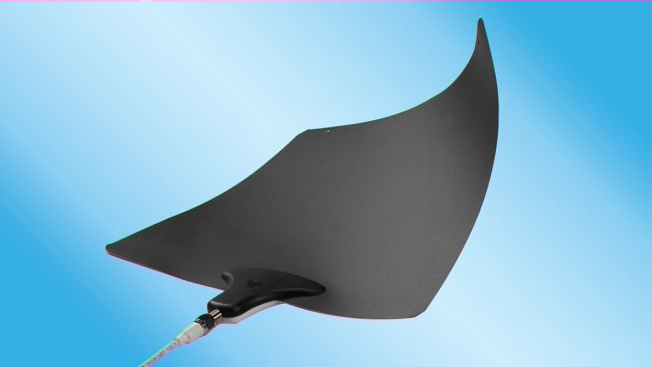
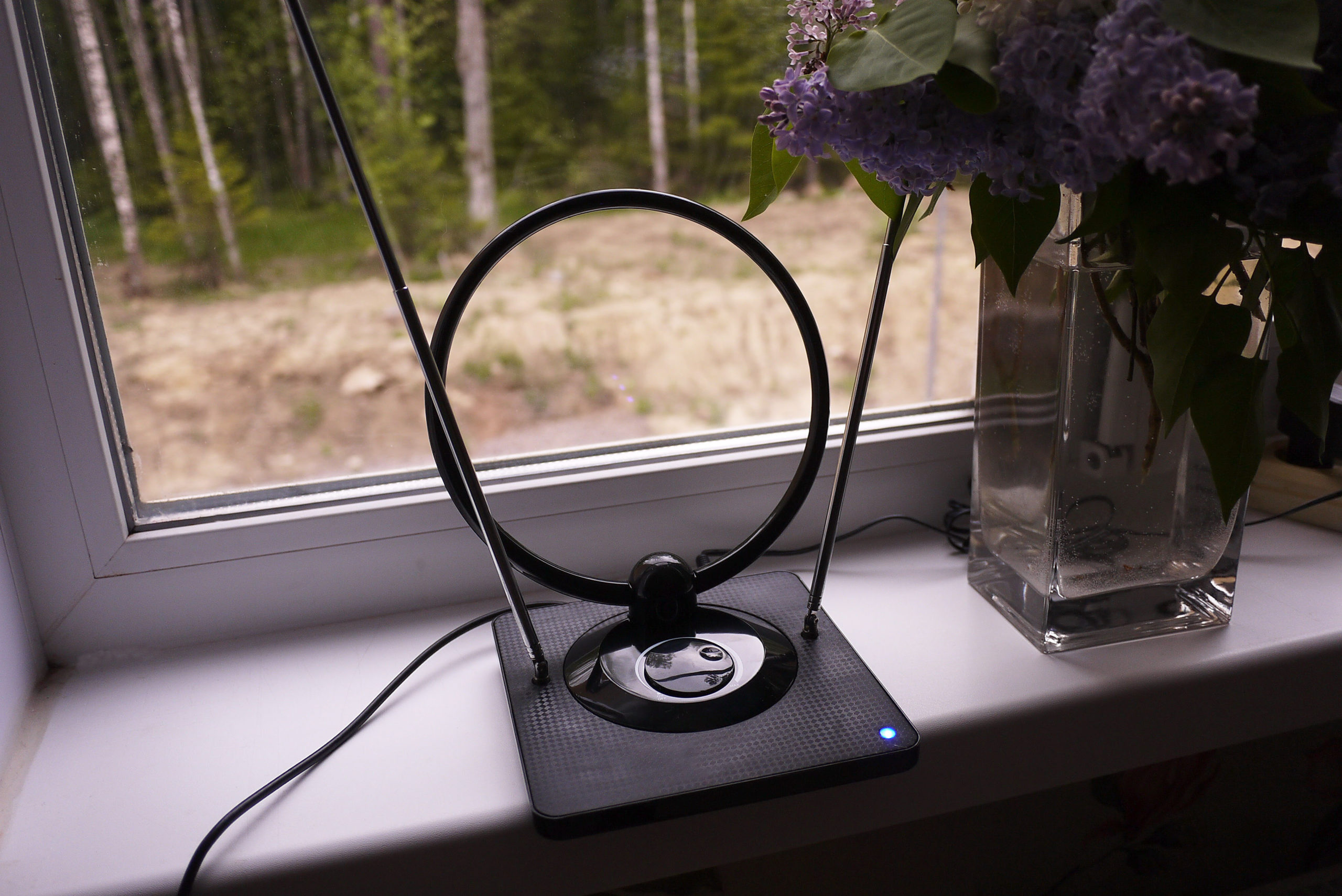
Outdoor TV antennas come in several types. Directional antennas focus on signals from one direction. They work well if signals come from a single tower. Omnidirectional antennas catch signals from many directions. They are good for areas with scattered towers.
Flat panel antennas are small and easy to install. Yagi antennas have many elements and offer strong signal gain. Each model has strengths and weaknesses. Choose based on your location and signal needs.
When To Upgrade
Old or damaged antennas reduce signal quality. If your picture is often fuzzy or cuts out, consider an upgrade. Newer antennas use better materials and designs. They capture signals more efficiently. Upgrade if your antenna is over 5 years old or shows visible wear.
Moving to a better model can improve your channel range. Check your signal strength before and after upgrading. This helps confirm if the new antenna works better.
Using Amplifiers
Amplifiers boost weak signals to improve picture quality. They are useful if you live far from broadcast towers. Amplifiers connect between the antenna and TV or receiver. They increase signal strength without adding noise.
Choose an amplifier suited to your antenna type. Too much amplification can cause distortion. Test different amplifier settings to find the best balance. Amplifiers help where signals are weak but not blocked.
Cable And Connection Tips
Good cables and connections make a big difference in outdoor TV antenna reception. Poor quality cables or loose connectors cause weak signals and bad picture quality. Taking care of cables and connectors helps keep the signal strong and clear.
Selecting Quality Cables
Choose cables made for outdoor use. Look for cables with good shielding to block interference. Thick cables often carry signals better over long distances. Avoid cheap, thin cables that lose signal strength quickly. Use coaxial cables labeled RG6 or higher for best results.
Checking Connectors
Check all connectors for tightness and damage. Loose or rusty connectors reduce signal quality. Use waterproof connectors or cover them with weatherproof tape. Replace old or broken connectors to avoid signal loss. Make sure connectors fit snugly on cables and antenna ports.
Reducing Signal Loss
Keep cable runs as short as possible. Long cables reduce signal strength. Avoid sharp bends or kinks in the cable. Use cable clips to secure cables and prevent movement. Connectors and splitters add some loss, so use only what you need. Every small step helps keep a strong signal.
Credit: www.consumerreports.org
Weather And Environmental Factors
Outdoor TV antenna reception depends a lot on weather and environment. Changes in weather can affect the signal strength. Trees, buildings, and other objects can also block or weaken signals. Understanding these factors helps improve your antenna’s performance.
Impact Of Weather
Rain, snow, and fog can reduce signal quality. Water droplets absorb or scatter signals, causing interference. Strong winds can move or shake the antenna, disrupting reception. Cold temperatures may affect antenna materials and connections. Sunlight and heat also cause wear over time.
Seasonal Adjustments
Leaves on trees in summer can block signals more than bare branches in winter. Adjust antenna direction or height to avoid obstacles. Check antenna alignment after storms or heavy winds. Clear snow or ice that builds on the antenna. Regular checks keep the signal stable through seasons.
Protecting Your Antenna
Use weather-resistant materials to cover cables and connections. Secure the antenna tightly to withstand strong winds. Trim nearby trees to prevent branches from touching the antenna. Consider a protective cover to guard against rain and snow. Proper protection extends antenna life and keeps signal clear.
Signal Testing And Troubleshooting
Testing and troubleshooting your outdoor TV antenna is key to better signal reception. It helps find weak spots or interference sources. Correct testing guides you to the right fixes. This section explains how to check your signal and solve common problems.
Using Signal Meters
Signal meters measure signal strength and quality. They attach between the antenna and TV. The meter shows if the antenna points correctly. Adjust the antenna slowly while watching the meter. Stop moving it when the signal is strongest. Some meters also show signal noise, which affects picture clarity.
Common Reception Issues
Obstacles like trees or buildings block signals. Bad weather can weaken the antenna’s reception. Loose or damaged cables cause signal loss. Interference from other electronics also disrupts signals. Sometimes, the antenna itself is old or broken. Identifying these issues helps to fix reception problems faster.
Diy Fixes
Start by tightening all cable connections. Replace damaged or old cables with new ones. Move the antenna higher or to a clearer spot. Trim nearby tree branches that block the signal. Use a signal amplifier for weak signals. Clean the antenna to remove dirt or rust. Each small fix improves your TV picture quality.
Credit: www.consumerreports.org
Credit: www.thefreetvproject.org
Conclusion
Improving your outdoor TV antenna reception takes some simple steps. Adjust the antenna direction and height for better signals. Remove obstacles like trees or walls that block the signal. Use quality cables and check for loose connections often. Keep your antenna clean and free from damage.
Small changes can make a big difference in picture quality. Enjoy clearer channels and better TV time. Try these tips to watch your favorite shows without interruption. Easy fixes lead to better viewing experience.