
A magnetic TV antenna won’t damage your TV in normal use, because the magnet is usually small and only meant to hold the antenna in place. The bigger risk is physical damage, like scratching the TV frame, pulling on the coax port, or tipping the antenna into the screen.
Strong magnets can interfere with older CRT TVs, but modern LED/LCD/Smart TVs aren’t affected the same way. Use a soft pad under the magnet, keep tension off the cable, and you’ll be fine.
How Magnetic Antennas Work
Magnetic antennas use magnetic fields to capture TV signals. They work differently from regular antennas. Understanding how they function helps to know their effect on your TV. This section breaks down their basic operation and common types.
Basic Principles
Magnetic antennas pick up signals through magnetic waves. These waves are part of the radio frequency spectrum. The antenna converts these waves into electrical signals. The signals then travel to your TV for display. Magnetic antennas often use coils or loops to catch signals. This design helps reduce noise and interference. Their magnetic nature means they focus on magnetic fields, not electric fields. This focus can improve signal clarity in some areas.
Types Of Magnetic Antennas
Loop antennas are the most common magnetic antennas. They use a loop of wire to catch magnetic signals. Small loop antennas are easy to place indoors. Large loops work better outdoors for stronger signals. Another type is the ferrite antenna, often found in portable radios. Ferrite rods inside the antenna enhance magnetic reception. Each type suits different environments and signal strengths. Choosing the right type affects TV signal quality.

Credit: www.amazon.com
Tv Components Sensitive To Magnetic Fields
Magnetic fields can affect certain parts of your TV. Not all components react the same way. Some parts are more sensitive and might get damaged. Knowing which parts these are helps protect your TV. It also explains why magnetic antennas may cause issues.
Screen And Display
The screen is one of the most sensitive parts. Older TVs with CRT screens are very prone to magnetic interference. Magnets can distort colors and images. The picture may look blurry or have strange colors. Modern LED or LCD screens are less affected by magnets. They use different technology that is not easily disturbed.
Internal Circuitry
Inside the TV, circuits control all functions. Strong magnetic fields can disrupt these circuits. It can cause the TV to act strangely or stop working. Sensitive chips and wiring might get damaged. This damage can be permanent or temporary. Magnetic antennas near the TV can create these fields. Keeping magnets away from the TV helps avoid this risk.
Potential Risks To Your Tv
Magnetic antennas are popular for TV signal reception. Many wonder if these antennas can harm their TV sets. Understanding the potential risks helps you use them safely. This section covers two main concerns: signal interference and physical damage.
Interference With Signal Reception
Magnetic antennas can cause interference with your TV signal. Strong magnetic fields may disrupt the antenna’s ability to catch signals. This can result in poor picture quality or loss of channels. Signals may become weak or unstable. The TV might show static or flickering images. This interference does not damage the TV hardware but affects viewing experience.
Physical Damage Possibilities
Physical damage from a magnetic antenna is rare but possible. The antenna’s magnetic base can scratch or dent the TV surface. Placing the antenna too close to fragile parts might cause harm. Internal damage from magnets is unlikely unless very strong magnets are used. Care is needed to avoid dropping the antenna on the TV. Proper placement reduces any risk of physical harm.

Credit: www.reddit.com
Myths Vs Reality
Many people worry that magnetic antennas might harm their TV sets. This fear comes from some common myths. Let’s explore what is true and what is not. Understanding facts helps you make better choices for your TV setup.
Common Misconceptions
Some believe magnetic antennas create strong magnetic fields. They think these fields can damage TV screens or internal parts. Others say magnets can erase data or cause signal loss. These ideas spread quickly but lack proof. Most modern TVs are well shielded against small magnets.
Scientific Evidence
Research shows magnetic antennas do not harm TVs. The magnets used are usually weak and placed away from sensitive parts. TVs use LCD or LED screens, not old CRTs that were more affected by magnets. Tests confirm no picture distortion or damage occurs from these antennas. Signal quality stays stable and clear.
Safe Usage Tips For Magnetic Antennas
Using a magnetic antenna with your TV can be safe if you follow some simple tips. Proper care and placement help prevent any damage and keep your TV working well. These tips make sure the antenna works at its best without causing problems.
Placement Guidelines
Place the magnetic antenna away from your TV screen. Avoid direct contact with the TV’s metal parts. Keep the antenna on a flat, stable surface. Make sure it is not near other electronic devices. This reduces the chance of interference and damage. Try to keep cables organized and away from sharp edges. Position the antenna for the strongest signal without blocking vents or ports.
Maintenance Advice
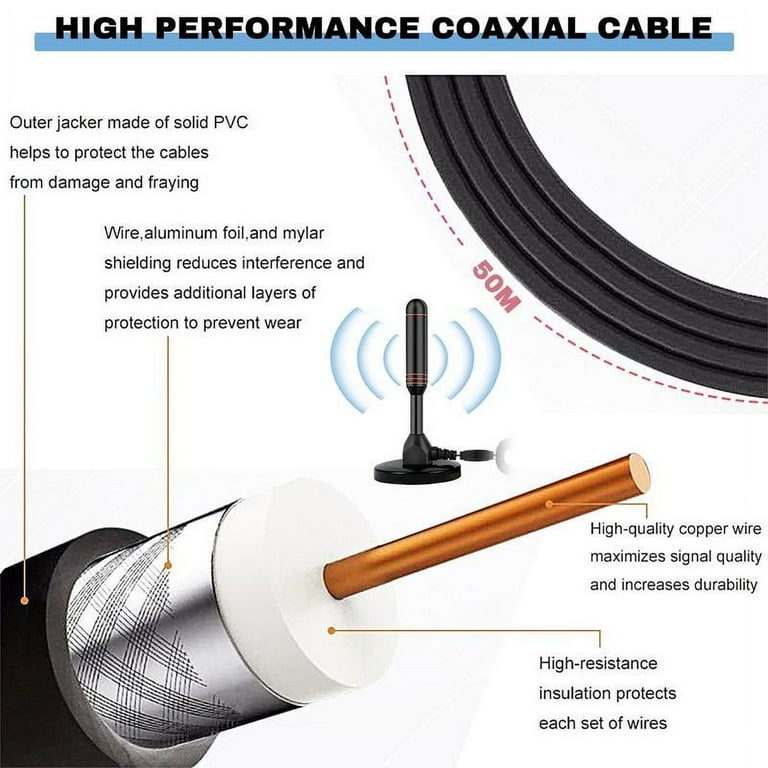
Clean the antenna gently with a dry cloth. Do not use water or cleaning liquids. Check the magnetic base for any rust or damage. Inspect the cable for wear or frays regularly. Replace damaged cables immediately to avoid signal loss. Keep the antenna away from strong magnets or metal objects. Store the antenna in a dry place when not in use. Regular checks help maintain the antenna’s performance and safety.
Credit: www.walmart.com
Alternatives To Magnetic Antennas
Magnetic antennas are common, but they are not the only choice. Many alternatives offer safe and effective TV signal reception. These options reduce any risk of damage to your TV. They also provide stable and clear signals for better viewing.
Choosing the right antenna depends on your needs and location. Some antennas work better indoors, while others perform well outside. Understanding these alternatives helps you pick the best antenna for your TV setup.
Traditional Antennas
Traditional antennas have been used for decades. They usually come as metal rods or grids. These antennas connect directly to the TV or a set-top box. They do not create magnetic fields that could harm your TV.
Many traditional antennas are easy to install. They can be placed on windows, walls, or rooftops. These antennas often provide strong and stable signals. They work well in urban and rural areas.
Digital Signal Solutions
Digital signal solutions focus on receiving digital TV broadcasts. These systems use advanced technology to improve picture quality. Digital antennas pick up signals without interference or distortion.
They often include features like signal amplifiers and filters. These help boost weak signals and reduce noise. Digital solutions are compatible with most modern TVs and set-top boxes. They offer a reliable way to enjoy free TV channels safely.
Conclusion
A magnetic antenna does not harm your TV. It simply helps capture signals for better picture quality. You can safely use one without worry. Just place it correctly and avoid strong magnets near sensitive parts. This way, your TV stays safe and works well.
Enjoy clearer channels and easy setup with a magnetic antenna. It’s a smart choice for many viewers. Simple, safe, and effective. What more could you want?