
Are you struggling with fuzzy TV channels or constant signal drops? You might have heard that a higher gain TV antenna could be the solution.
But can it really improve your Signal-to-Noise Ratio (SNR) and give you clearer, sharper pictures? Understanding how antenna gain affects your SNR can make all the difference in your TV watching experience. Keep reading to discover if upgrading your antenna is the key to better reception and how it can transform your viewing quality.
Credit: www.alibaba.com
Signal-to-noise Ratio Basics
Understanding Signal-to-Noise Ratio (SNR) is key to improving TV antenna performance. SNR measures the quality of a signal compared to background noise. A better SNR means a clearer, more stable TV picture. This section explains the basics of SNR and what affects it.
What Is Snr
SNR stands for Signal-to-Noise Ratio. It is the level of the desired signal divided by the level of background noise. Higher SNR values indicate a stronger signal with less interference. In TV reception, a good SNR helps avoid static and pixelation on the screen.
Factors Affecting Snr
Many factors change the SNR of a TV antenna. Distance from the broadcast tower affects signal strength. Physical obstacles like buildings or trees block signals and add noise. Weather conditions such as rain or fog can weaken the signal. Antenna quality and placement also play a big role in maintaining a good SNR.
Role Of Tv Antennas
TV antennas capture broadcast signals and send them to your TV. They play a key role in how clear your picture and sound will be. A good antenna can improve the quality of the signal you receive.
The antenna’s design affects its ability to pick up signals from different directions and distances. This impacts the signal-to-noise ratio (SNR), which determines how clear your TV picture looks. Understanding antennas helps you choose the right one for better reception.
Antenna Gain Explained
Antenna gain measures how well an antenna picks up signals compared to a standard antenna. It is shown in decibels (dB). A higher gain means the antenna focuses more on a signal, capturing it better.
High gain antennas can pull in weaker signals from far away. This can improve the SNR, making the picture clearer. But gain is not the only factor. Direction, frequency, and interference also matter.
Types Of Tv Antennas
There are several types of TV antennas. Each type works best in different situations. The main types include indoor, outdoor, directional, and omnidirectional antennas.
Indoor antennas are small and easy to install. They work well near broadcast towers. Outdoor antennas are larger and placed on rooftops. They pick up signals from farther away.
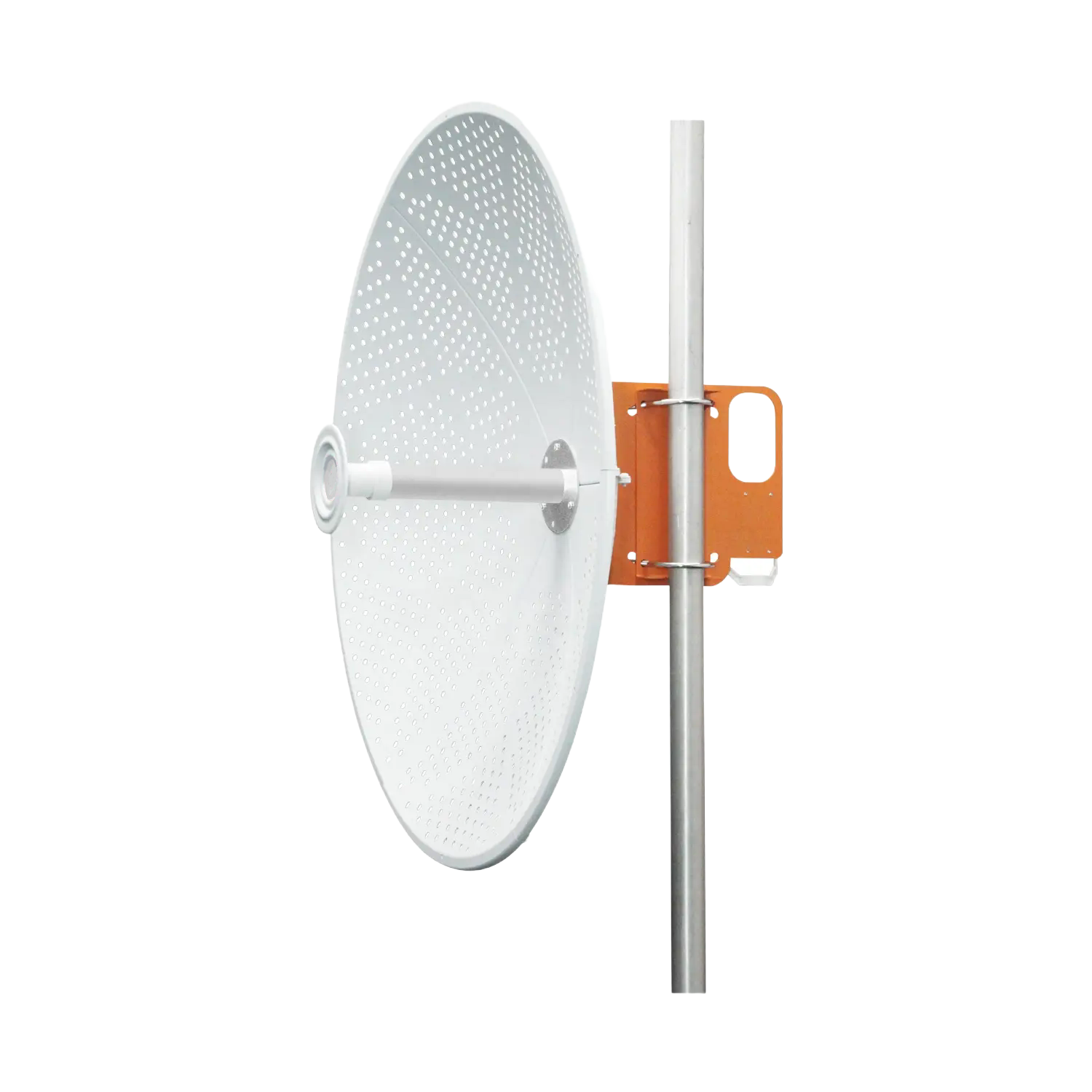
Directional antennas focus on signals from one direction. They have higher gain but need to be aimed properly. Omnidirectional antennas receive signals from all directions but usually have lower gain.
Impact Of Higher Gain Antennas
Higher gain antennas play a key role in TV signal reception. They can capture weaker signals from distant broadcast towers. This ability helps improve the overall viewing experience.
Understanding how these antennas affect signal quality is important. It helps in choosing the right antenna for your location and needs.
How Gain Influences Signal Strength
Gain measures an antenna’s ability to focus signal energy. A higher gain antenna collects more signal power. This leads to stronger signals reaching your TV.
Stronger signals reduce pixelation and loss of channels. They also help maintain a stable connection. This is especially useful in areas with weak signals.
Effect On Noise Levels
Noise is unwanted interference that affects signal clarity. A higher gain antenna does not reduce noise itself. Instead, it increases the signal strength more than the noise.
This improves the signal-to-noise ratio (SNR). A better SNR means clearer picture and sound quality. It makes the viewing experience more enjoyable.
Credit: www.alibaba.com
Limitations Of High Gain Antennas
High gain TV antennas can boost signal strength. They help catch weak signals from far away. But they have limits too. Not all problems get fixed by more gain. Sometimes, higher gain can cause new issues. Understanding these limits helps choose the right antenna.
These antennas focus on signals from one direction. This focus can cause trouble with signals from other directions. Also, strong signals may carry unwanted noise. These factors affect the signal-to-noise ratio (SNR) and picture quality.
Signal Distortion Risks
High gain antennas can increase signal distortion. This happens when the antenna picks up too many signals at once. Overlapping signals confuse the TV tuner. The result is fuzzy or broken pictures. Distortion lowers the clarity of the TV signal. It reduces the benefit of higher gain.
Environmental Challenges
Weather and surroundings affect high gain antennas a lot. Strong winds can move or damage the antenna. Trees and buildings block or reflect signals. Reflections cause echoes and reduce signal quality. Rain and snow can weaken the received signal. These challenges make it hard to keep a steady SNR.
Optimizing Snr With Antenna Setup
Optimizing the Signal-to-Noise Ratio (SNR) is key to getting clear TV reception. A higher gain antenna can help, but the setup matters a lot. Adjusting antenna placement and using the right tools can improve SNR effectively. Small changes often make a big difference.
Proper Antenna Placement
Place the antenna high and free from obstructions. Walls, trees, and buildings can block signals. Aim the antenna toward the broadcast tower for the best reception. Test different locations to find the strongest signal. Even a small move can improve SNR.
Use Of Amplifiers And Filters
Amplifiers boost weak signals, improving SNR in some cases. Choose an amplifier that matches your antenna and setup. Filters remove unwanted noise and interference from other signals. Both tools must be used carefully to avoid signal overload. Proper use can enhance TV picture quality.
Real-world Performance Examples
Real-world examples help us understand how a higher gain TV antenna affects SNR ratio. Signal quality changes in different environments. Testing in real places shows the true benefits of higher gain antennas. Results vary by location and setup. Below are examples from urban and rural areas.
Urban Vs Rural Scenarios
In urban areas, many buildings cause signal reflections and interference. A higher gain antenna often improves the SNR by focusing on the signal source. This reduces noise and boosts picture quality. Yet, very tall buildings can block signals completely.
Rural areas usually have fewer obstructions but signals are weaker due to distance. Higher gain antennas capture faint signals better, raising the SNR ratio. This results in clearer TV reception. Still, very far signals may remain weak despite higher gain.
Case Studies
One study tested a 10 dBi antenna in a city. The SNR improved by 4 dB compared to a 5 dBi antenna. This reduced pixelation and signal loss during storms. Viewers saw a more stable picture.
Another case involved a rural home 30 miles from broadcast towers. A 12 dBi antenna increased SNR by 6 dB over a standard antenna. This improvement allowed reception of additional channels and better HD quality.
Credit: www.pawpaw.cn
Conclusion
A higher gain TV antenna can help improve the SNR ratio. It captures more signal from broadcast towers. This leads to clearer and stronger TV reception. But, placement also matters a lot. Keep the antenna away from obstacles and interference.
A good antenna combined with proper setup brings better picture quality. So, investing in a higher gain antenna often pays off. Try adjusting the antenna angle for the best signal. Better SNR means fewer interruptions and a nicer viewing experience.