
Are you struggling to get clear, reliable TV signals at home? Choosing the right antenna can make all the difference.
When it comes to digital TV antennas, you’ll often hear about amplified and non-amplified options. But which one is truly better for your needs? You’ll discover how these two types of antennas work, what makes them different, and how to pick the perfect one to boost your TV viewing experience.
Keep reading—your next favorite show is waiting, and the right antenna could be the key to unlocking it.
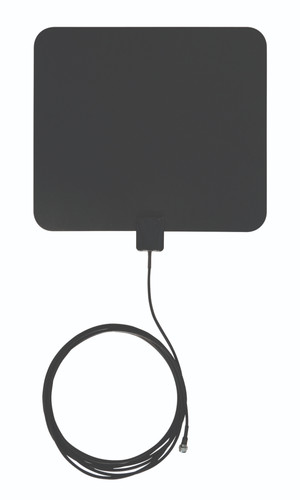
Credit: www.solidsignal.com
How Digital Tv Antennas Work
Digital TV antennas catch broadcast signals from TV stations. These signals carry video and audio data to your television. Understanding how antennas work helps you choose the right type for your needs. The main difference between amplified and non-amplified antennas is the signal strength they deliver.
Signal Reception Basics
Antennas receive electromagnetic waves sent by TV towers. These waves travel through the air and reach your antenna. The antenna converts waves into electrical signals. The TV decodes these signals into pictures and sound. Signal quality depends on distance and obstacles between antenna and tower. Stronger signals give clearer TV reception. Weak signals cause poor picture and sound.
Role Of Amplification
Amplified antennas have a built-in signal booster. This booster increases the strength of weak signals. It helps reduce interference and signal loss. Amplification is useful in areas far from TV towers. It improves reception in places with many obstacles. Non-amplified antennas rely on natural signal strength. They work well near broadcast towers. Amplified antennas require power to run the booster. Non-amplified antennas do not need power. Choosing between them depends on your location and signal needs.
Features Of Amplified Antennas
Amplified antennas offer distinct features that help improve TV signal reception. They work by strengthening weak signals from broadcasting towers. This boost can lead to clearer picture quality and fewer interruptions. Understanding these features helps in choosing the right antenna for your needs.
Built-in Signal Boosters
Amplified antennas have a built-in signal booster inside. This booster increases the strength of the received signal. It helps capture signals that are far away or blocked by obstacles. The booster reduces signal loss from long cable runs. This feature makes amplified antennas good for areas with weak signals.
Power Source Requirements
Unlike non-amplified antennas, amplified ones need power. They usually get power through a USB cable or a power adapter. This power runs the built-in signal booster. Without power, the booster cannot work, and the antenna acts like a normal one. Ensure you have a nearby power outlet for the antenna to work properly.
Traits Of Non Amplified Antennas
Non amplified antennas are simple tools for receiving TV signals. They do not use extra power or electronic parts. This makes them easy to use and maintain. Many people choose them for their straightforward design and reliability.
Understanding their traits helps decide if they fit your needs. These antennas work well in areas with strong signal strength. They offer a cost-effective way to watch digital TV without extra equipment.
Passive Signal Capture
Non amplified antennas capture signals without boosting them. They rely on the natural strength of the broadcast signal. This means the signal quality depends on your location. Close to the broadcast tower, they perform very well. Farther away, the signal may be weak or unclear.
Since they do not increase noise or interference, the picture can be clear. No extra power means fewer chances of failure. This makes passive signal capture a reliable method for many users.
Simplicity And Durability
Non amplified antennas have a simple design with no electronic parts. This simplicity makes them very durable and long-lasting. They withstand weather changes better than amplified versions. No power supply means fewer things can break down.
Many non amplified antennas are lightweight and easy to install. Their low maintenance needs save time and money. Users can expect steady performance without extra effort.
Signal Range And Quality Comparison
Signal range and quality are key factors when choosing between amplified and non-amplified digital TV antennas. These factors affect how well you receive TV channels and the clarity of the picture. Understanding their differences helps you pick the right antenna for your needs.
Distance Performance
Amplified antennas have a built-in signal booster. This boost helps them pick up signals from farther away. They work well if you live far from broadcast towers. Non-amplified antennas rely on their design to capture signals. They usually work best closer to the towers. So, if you are nearby, a non-amplified antenna might be enough. But for longer distances, amplified models often perform better.
Interference Handling
Amplified antennas can sometimes increase background noise along with the signal. This noise can cause interference and affect picture quality. Non-amplified antennas do not add extra noise. They provide a cleaner signal but may struggle with weak signals. Amplified models can handle some interference but may amplify it too. Choosing the right antenna depends on your local signal strength and interference levels.
Installation And Placement Tips
Proper installation and placement make a big difference for digital TV antennas. Positioning affects signal strength and picture quality. Each type of antenna needs specific spots to work best. Follow these tips to get clear channels without interruptions.
Optimal Locations For Amplified Antennas
Amplified antennas boost weak signals electronically. Place them near a power outlet to connect the amplifier. High spots like rooftops or attics work well. Avoid placing them near metal objects or electronics that cause interference. A window facing the broadcast towers often improves reception. Test different angles to find the strongest signal. Keep the antenna away from large walls and thick glass. The amplifier helps cover longer distances but still needs good placement.
Best Spots For Non Amplified Antennas
Non amplified antennas rely on natural signal strength. Position them as high as possible, such as on a wall or near a window. Clear line of sight to broadcast towers is crucial. Avoid basements or rooms with many walls. Outdoor mounting is ideal if allowed. Stay away from large metal surfaces that block signals. Try rotating the antenna slowly to catch the best signal. These antennas work best within shorter distances from towers.
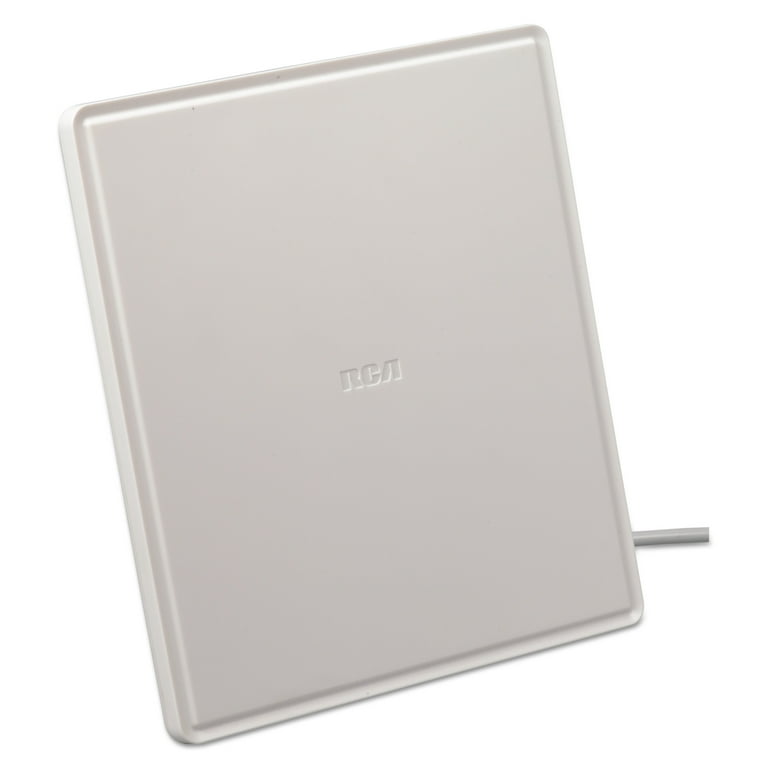
Credit: www.walmart.com
Cost And Maintenance Factors
Cost and maintenance are important when choosing between amplified and non-amplified digital TV antennas. These factors affect your budget and the effort needed to keep the antenna working well. Understanding these details helps you pick the right antenna for your needs.
Initial Investment
Amplified antennas usually cost more upfront. They include a built-in signal booster. This adds to the price but can improve signal strength. Non-amplified antennas are cheaper. They have no extra electronics inside. Buying a non-amplified antenna means lower starting costs.
Long-term Upkeep
Amplified antennas need power to run the booster. This means occasional checks on cables and power supply. If the amplifier breaks, repairs can be costly. Non-amplified antennas have fewer parts to fail. They require less maintenance over time. Cleaning and repositioning are usually enough for non-amplified models.
Choosing The Right Antenna For You
Choosing the right TV antenna is important for clear and reliable signals. The choice between amplified and non-amplified antennas affects your viewing experience. This section helps you decide which type fits your needs best.
Assessing Your Signal Environment
Start by checking the strength of signals in your area. Strong signals mean a non-amplified antenna might work well. Weak or distant signals often need an amplified antenna for better reception.
Consider obstacles like buildings or trees that block signals. Walls and metal objects can also reduce signal quality. Measure your distance from the broadcast towers for a clearer idea.
Matching Features To Needs
Think about the size and placement of your antenna. Amplified antennas need power sources but offer better range. Non-amplified antennas are simpler and usually smaller.
Check the number of channels you want to receive. Amplified antennas can help get more channels in tough areas. For close-range use, a non-amplified antenna may be enough.
Also, consider your budget and ease of installation. Non-amplified antennas are often cheaper and easier to set up. Amplified models might cost more but improve signal quality in weak areas.

Credit: www.amazon.com
Conclusion
Choosing between amplified and non-amplified digital TV antennas depends on your needs. Amplified antennas boost weak signals and help in distant areas. Non-amplified ones work well close to broadcast towers. Think about your location and signal strength first. Both types have pros and cons.
The right choice can improve your TV watching experience. Test your setup to find what works best. Clear pictures and good reception make watching TV enjoyable.