
Yes, a TV antenna can go bad, especially if it’s been outside for years. Water can get into the coax connection, corrosion can build up on the metal, and wind can loosen parts or break elements, all of which cause weaker signal and missing channels.
Indoor antennas can fail too, usually from damaged coax cables, bent connectors, or a bad built-in amplifier. If reception suddenly drops, the first thing to check is the cable, connectors, and any splitter or amplifier in the line.
Signs Of A Failing Tv Antenna
TV antennas can wear out over time. They do not last forever. Knowing the signs of a failing TV antenna helps you fix problems early. It saves time and keeps your TV picture clear. Watch for common signs that show your antenna might be failing.
These signs often affect your viewing experience. Catching them early can prevent bigger issues. Below are key indicators to watch for in your TV antenna.
Decreased Signal Quality
One clear sign is weaker signal strength. You might see blurry pictures or pixelation on your screen. Channels may not load as fast as before. The TV image can become less sharp. This happens when the antenna cannot capture signals well.
Intermittent Reception
Your TV signal may cut in and out. Shows freeze or disappear for short times. This happens when the antenna connection is loose or damaged. Weather changes can also cause this problem. Unstable reception means your antenna needs checking.
Physical Damage
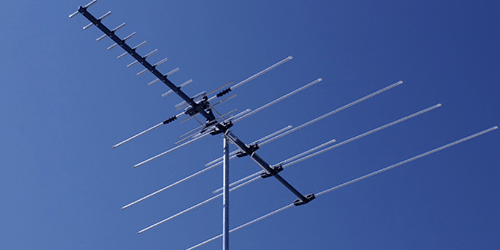
Look at your antenna for visible damage. Broken or bent parts reduce its ability to catch signals. Strong winds or accidents can cause this damage. Cracks or missing pieces harm the antenna’s function. Fix or replace damaged parts quickly.
Corrosion And Rust
Metal parts of the antenna can rust over time. Rust blocks signals and weakens connections. Moisture and rain cause corrosion on outdoor antennas. Check for brown or orange spots on the metal. Cleaning or replacing rusty parts improves signal quality.

Credit: www.jimsantennas.com.au
Common Causes Of Antenna Failure
TV antennas can stop working well over time. Various factors cause antenna failure. Knowing these causes helps you fix or replace your antenna promptly. Here are the most common reasons antennas fail.
Weather Exposure
Antennas face rain, wind, snow, and sun daily. Harsh weather can damage antenna parts. Rust, corrosion, and broken elements occur from exposure. Strong winds may bend or loosen antenna rods. Storms can knock antennas off the roof.
Wear And Tear
Antennas wear out after years of use. Metal parts weaken and connections loosen. Plastic components crack or fade under sunlight. Over time, signals weaken because of this wear. Regular checks help catch problems early.
Electrical Issues
Wiring problems affect antenna performance. Cables can fray, break, or corrode. Connectors might become loose or dirty. Electrical shorts inside the antenna block signals. Using poor-quality cables worsens these issues.
Improper Installation
Incorrect antenna setup causes failure. Wrong placement reduces signal strength. Loose mounting makes antennas shift or fall. Incorrect cable connections block signal flow. Proper installation ensures strong, steady reception.
Testing Your Tv Antenna
Testing your TV antenna helps find if it works well or needs repair. Simple checks can show if the antenna is the problem or something else. This saves time and money on unnecessary replacements.
Signal Strength Measurement
Check the signal strength on your TV menu. Most TVs show signal bars or a percentage. Low signal strength means the antenna might be faulty or misaligned. Try moving the antenna and watch for signal improvement. This helps find the best position for clear reception.
Visual Inspection
Look closely at the antenna for damage. Check for bent, broken, or rusted parts. Dirt and debris can block signals. Clean the antenna gently with a soft cloth. Damaged parts reduce signal quality and may need replacement.
Using A Different Antenna
Connect another antenna to your TV. This test shows if the problem is with your antenna or TV. If the new antenna works well, your original antenna may be bad. This method quickly identifies the source of the problem.
Checking Cable Connections
Inspect all cables from the antenna to the TV. Loose or damaged cables cause weak signals. Make sure all connectors are tight and free of corrosion. Replace any worn cables for better signal flow. Good connections help the antenna work properly.
Credit: cordcutting.com
Repairing Or Replacing A Bad Antenna
A TV antenna can stop working well over time. Dirt, weather, or damage can cause problems. You do not always need to buy a new one. Sometimes, a quick repair can fix the issue. Other times, replacement is the better choice. Knowing how to repair or replace an antenna helps you get clear TV signals again.
Simple Fixes
Check the antenna for loose parts or broken wires. Tighten screws or replace damaged cables. Clean the antenna to remove dirt or rust. Adjust the antenna direction for better signal. These small steps often improve the picture quality.
When To Replace
Replace the antenna if parts are broken beyond repair. Old antennas may not catch modern signals well. Severe rust or corrosion can weaken the antenna. If signal problems continue after fixes, replacement is best. A new antenna ensures better performance and reliability.
Choosing A New Antenna
Pick an antenna that matches your location and TV type. Outdoor antennas work well for rural areas. Indoor antennas suit apartments or close cities. Check the range and frequency support before buying. A good antenna saves money and improves viewing.
Professional Help
Ask a technician if you cannot fix the antenna yourself. Experts can diagnose hidden problems quickly. They offer safe installation and proper tuning. Hiring a pro saves time and avoids damage. Professionals ensure your TV signal is strong and stable.
Preventing Future Antenna Problems
Preventing future antenna problems keeps your TV signal clear. Small actions can stop major issues. Regular checks and smart upgrades help your antenna last longer. Protect your investment and enjoy better TV reception.
Regular Maintenance
Check your antenna often for rust or damage. Clean dirt and dust to keep parts working well. Tighten loose screws and bolts to avoid signal loss. Replace worn cables before they cause problems. Regular care improves signal quality and antenna life.
Proper Installation Tips
Mount the antenna high and clear of obstacles. Avoid placing it near metal objects or power lines. Use the right tools for a secure fit. Point the antenna toward broadcast towers for best reception. Good installation stops many signal troubles early.
Weatherproofing Methods
Cover connectors with waterproof tape or sealant. Use rust-resistant materials for outdoor antennas. Check seals after heavy rain or storms. Protect cables from sun damage with UV-resistant covers. Weatherproofing keeps your antenna safe from harsh conditions.
Upgrading Equipment
Replace old antennas with newer models for better signals. Use high-quality coaxial cables to reduce interference. Add a signal amplifier if your area has weak signals. Upgrade your TV tuner to handle digital signals better. New equipment often means clearer, more reliable reception.
:max_bytes(150000):strip_icc()/3LW4078201-Mohu_TVAntennas_Leaf_HeroSquare-364a530da97b4c23b31d8c10157c01f4.jpg "Can a TV Antenna Go Bad? 3")
Credit: www.lifewire.com
Conclusion
A TV antenna can wear out over time. Weather and age often cause problems. Signs include poor picture or no signal. Regular checks can help spot issues early. Replacing old parts can improve your reception. Keeping your antenna in good shape saves money.
Don’t ignore weak signals; act quickly. A working antenna means better TV viewing. Simple care goes a long way. Stay alert to changes and fix problems fast.