
When it comes to upgrading your car’s audio system, choosing the right car radio can make all the difference in your driving experience. You might be wondering which type of car radio suits your needs best or what features you should look for.
Whether you crave crystal-clear sound, seamless smartphone integration, or easy access to your favorite music and apps, understanding the different types of car radios is key. You’ll discover the main options available, so you can pick the perfect radio that fits your lifestyle and keeps every drive enjoyable.
Ready to find out which car radio matches your style? Let’s dive in!
Car Radio Formats
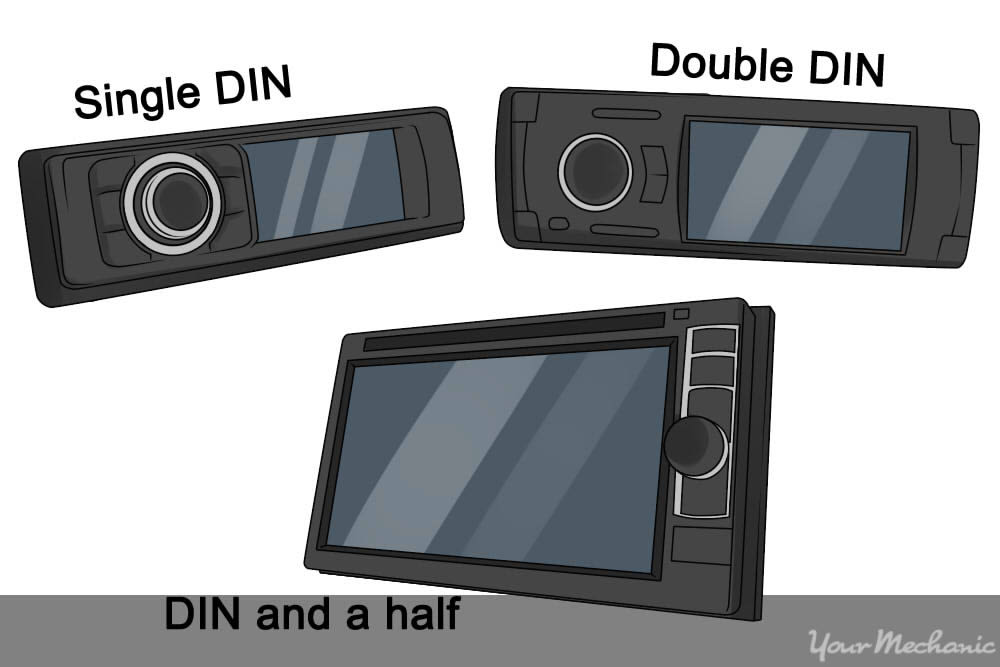
Car radio formats vary mainly by size and features. Choosing the right format affects installation and compatibility. Most vehicles support two main sizes: single din and double din radios. These sizes determine the design and functions available for your car stereo.
Single Din Radios
Single din radios measure about 7 inches wide and 2 inches tall. This format fits most older and compact cars. Single din radios often include basic functions like AM/FM radio and CD players. Many models now support Bluetooth and USB connections. Their smaller size allows for simple installation and easy use.
This format suits drivers who want basic sound and simple controls. Single din radios save space on the dashboard. They usually cost less than double din options.
Double Din Radios
Double din radios are twice as tall as single din units. They measure roughly 7 inches wide and 4 inches tall. This larger size offers room for bigger screens and more features. Many double din radios include touchscreens for navigation and media control.
These radios often support smartphone integration like Apple CarPlay and Android Auto. They provide better sound quality and more customization options. Double din radios fit newer cars or those with larger dashboard openings.
Choose double din if you want advanced features and a modern look. They provide more entertainment and connectivity options on the road.
Media Playback Options
Car radios offer several media playback options to suit different listening preferences. Choosing the right type depends on the formats you want to play and the convenience you need. Modern car radios support various media types, from physical discs to digital files.
Explore the common media playback options below to find what fits your car audio setup best.
Dvd And Cd Receivers
DVD and CD receivers play physical discs like CDs and DVDs. These radios let you listen to music or watch videos in your car. They often include a screen for video playback and control buttons for easy navigation. CD players remain popular for those with large disc collections. DVD receivers add the bonus of video support for passengers. They are simple to use and do not require an internet connection. However, they rely on physical discs, which may limit your media choices.
Digital Media Receivers
Digital media receivers focus on playing music from digital sources. They support USB drives, SD cards, and Bluetooth streaming. These radios allow you to connect smartphones or other devices easily. You can listen to your favorite playlists without carrying discs. Many models include touchscreens and smartphone integration. Digital media receivers offer more flexibility and convenience than disc players. They keep your car audio system up to date with modern music formats. This option suits drivers who prefer digital music libraries and wireless connections.
Connectivity Features
Connectivity features in car radios enhance the driving experience. They allow seamless interaction between your phone and the stereo. These features provide hands-free calling, music streaming, and navigation support. Modern car radios focus on easy, safe access to apps and media. Understanding the types of connectivity helps choose the right car radio.
Bluetooth Radios
Bluetooth radios let you connect your phone without wires. They support hands-free calls and wireless music streaming. Pairing is simple and quick. Bluetooth radios improve safety by reducing distractions. They work with most smartphones and devices. Sound quality is clear, and connection is stable. This feature suits drivers who want wireless convenience.
Apple Carplay And Android Auto
Apple CarPlay and Android Auto bring smartphone functions to the car screen. They show apps like maps, messages, and music directly on the radio. The interface is easy to use while driving. Voice control lets you keep your eyes on the road. These systems update regularly to add new features. They require a compatible smartphone and car radio. These options offer smart, safe connectivity for daily use.

Installation Types
Choosing the right car radio often depends on how it will be installed. Installation types affect both the ease of setup and compatibility with your vehicle. Two main types of installations exist: factory replacement and aftermarket radios. Each offers distinct benefits and fits different needs.
Factory Replacement Radios
Factory replacement radios fit directly into your car’s original slot. They match the design and controls of your vehicle. This type keeps the interior looking neat and original. Installation is usually simple and quick. It works well for those who want a clean, factory look. Many come with features similar to the original unit, making them easy to use.
Aftermarket Radios
Aftermarket radios offer more features than factory models. They often include touchscreens, Bluetooth, and smartphone apps. These radios may require extra parts for installation. Some cars need special wiring or mounting kits. Installation can be more complex and may need professional help. Aftermarket radios allow you to customize your audio experience more freely.
Power And Wiring Considerations
Power and wiring are key to a car radio’s performance. Proper wiring ensures stable power flow. It prevents sound issues and protects the radio from damage. When installing or upgrading a radio, attention to power and wiring is vital.
Upgrading Power Cables
Using the right power cables improves your car radio’s efficiency. Thicker cables carry more current without overheating. Old or thin cables can cause voltage drops. This leads to poor sound quality or radio failure. Upgrade to cables that match the radio’s power needs. Secure connections reduce resistance and power loss.
Battery And Ground Connections
The battery connection provides the main power source. Make sure the battery terminals are clean and tight. Loose connections cause flickering or radio resets. The ground connection completes the electrical circuit. A solid ground reduces noise and interference. Connect the ground wire to bare metal on the car’s frame. Avoid painted or rusty surfaces for grounding.
Sound Quality Enhancements
Sound quality enhancements play a vital role in choosing the right car radio. They improve the clarity and depth of audio, making every drive enjoyable. Many car radios come with features that boost sound output and reduce noise.
These enhancements help produce clear vocals and rich bass. They create a more immersive listening experience inside your vehicle. Understanding these features helps you pick a radio that fits your audio needs.
Amplifier Integration
Amplifier integration allows the car radio to connect with external amplifiers. This connection increases the power sent to the speakers. It results in louder and clearer sound without distortion.
Some radios have built-in amplifiers to boost sound directly. Others offer preamp outputs for external amps. This flexibility helps you customize your sound system easily.
Speaker Compatibility
Speaker compatibility ensures the car radio works well with different speaker types. Radios support various speaker sizes and impedance levels. Matching these correctly avoids damage and ensures good sound quality.
Modern radios often include settings to adjust speaker output. This feature balances sound across all speakers. It leads to a smoother and more natural audio experience.
Additional Features
Car radios offer more than just music playback today. Additional features enhance driving comfort and safety. These extras make your ride more enjoyable and convenient. Explore some popular features below that modern car radios include.
Touchscreen Displays
Touchscreen displays give easy access to controls. They show clear menus for radio, music, and apps. Users can swipe, tap, and scroll with simple finger moves. These screens often support navigation maps and phone calls. Bright, colorful displays improve visibility day or night. Touchscreens reduce the need for many buttons, creating a cleaner dashboard. They also allow quick switching between audio sources.
Voice Control
Voice control lets drivers keep their hands on the wheel. It responds to spoken commands for music, calls, and directions. This feature improves safety by reducing distractions. Voice assistants understand simple phrases like “play radio” or “call home.” Some car radios connect to popular voice platforms for wider commands. Using voice control is quick and convenient, especially while driving.

Price Ranges
Car radios come in a wide range of prices to fit different budgets and needs. Understanding these price ranges helps you pick the right model. Prices depend on features, brand, and sound quality. Some radios offer basic functions, while others include advanced tech for better experience. Here’s a look at the main price categories.
Budget Options
Budget car radios usually cost under $100. They provide basic radio tuning and simple controls. Many models include Bluetooth or USB support for music playback. These radios suit daily drivers who want simple audio without extra features. Installation is often easy, and the sound quality is decent for the price. Budget options give good value for everyday use.
Premium Models
Premium car radios range from $200 to over $600. They offer high-definition sound and advanced connectivity. Features like touchscreens, Apple CarPlay, and Android Auto are common. These radios may include navigation, voice control, and large displays. Premium models suit tech enthusiasts and those wanting top sound quality. They also support multiple media sources and apps for a richer experience.
Frequently Asked Questions
What Are The Different Types Of Car Stereos?
Car stereos include single-DIN, double-DIN, digital media receivers, DVD receivers, and touchscreen units with Apple CarPlay or Android Auto.
What Type Of Radio Is In A Car?
Cars typically have AM/FM radios, often combined with digital media receivers or touchscreen infotainment systems. Many support Bluetooth, Apple CarPlay, and Android Auto for enhanced connectivity.
What Is The Big 3 In Car Audio?
The Big 3 in car audio upgrades are the alternator positive, battery positive, and chassis ground wires. Upgrading these improves electrical flow and system performance.
What Are The Different Types Of Stereo?
The main types of car stereos include single DIN, double DIN, DVD receivers, and digital media receivers. Each offers unique features for audio and video playback.
Conclusion
Choosing the right car radio depends on your needs and budget. Basic models offer simple radio and CD functions. Digital media receivers focus on Bluetooth and USB connectivity. DVD receivers add video playback for entertainment on the go. Touchscreen units provide easy control and modern features.
Consider sound quality, compatibility, and installation space before buying. Each type serves different listening habits and preferences. Understanding these options helps you pick a radio that suits your car and lifestyle. Enjoy better music and a more connected drive with the right choice.