
Are you curious about which FCC radio license you actually need? Whether you’re a hobbyist eager to explore ham radio, a business owner needing commercial communication, or someone involved in public safety, understanding the different types of FCC radio licenses is key to getting started the right way.
Navigating these licenses might seem confusing at first, but knowing the basics can save you time and help you unlock the full potential of your radio equipment. You’ll discover the main categories of FCC licenses, what each one allows you to do, and how to find the perfect fit for your communication needs.
Ready to clear up the confusion and get your radio license journey on track? Keep reading!
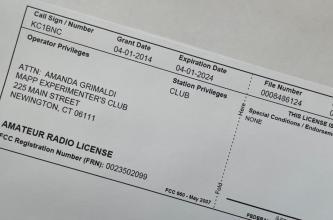
Amateur Radio Licenses
Amateur Radio Licenses allow individuals to operate ham radios for personal, non-commercial use. These licenses come in different classes. Each class offers specific privileges and access to frequency bands. The licenses encourage learning, experimentation, and emergency communication support.
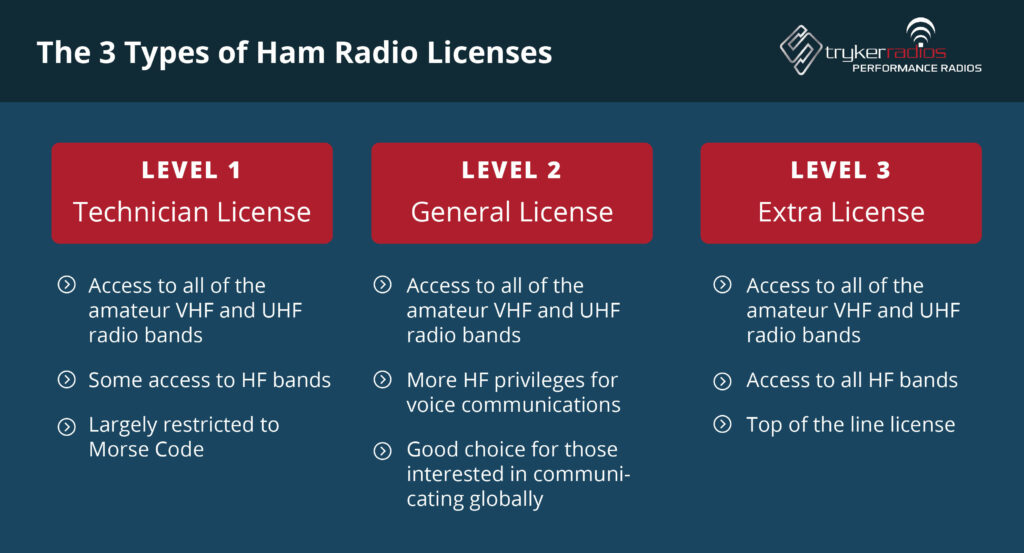
Technician Class
The Technician Class is the entry-level license. It grants access to all VHF and UHF amateur bands. Beginners can communicate locally and explore digital modes. The exam covers basic regulations, operating practices, and electronics. This license is perfect for new hobbyists starting their radio journey.
General Class
The General Class license expands privileges to most HF bands. Operators can communicate over long distances worldwide. The exam requires more knowledge of radio theory and rules. This license suits users who want to explore global contacts and advanced operating techniques.
Amateur Extra Class
The Amateur Extra Class is the highest license level. It grants full privileges on all amateur bands and modes. The exam is the most challenging, covering detailed technical and regulatory topics. This license is ideal for dedicated operators seeking complete access and flexibility.
Grandfathered Licenses
Grandfathered licenses include Novice, Advanced, and Technician Plus. These were issued under older rules and no longer available. Holders keep their privileges and call signs. They often have unique operating rights not granted to new licensees. Grandfathered licenses honor long-time amateur radio operators.
Commercial Radio Licenses
Commercial radio licenses allow businesses to use radio frequencies for communication. These licenses support various industries, helping them manage operations efficiently. The Federal Communications Commission (FCC) issues several types of commercial licenses. Each serves distinct roles and requires specific qualifications. Understanding these types helps businesses choose the right license for their needs.
Industrial And Business Radio
This license covers radio use within companies and industries. It supports internal communication like dispatching vehicles and coordinating staff. Users often include construction, manufacturing, and transportation sectors. The Industrial and Business Radio license ensures clear, private communication. It helps improve safety and productivity on job sites.
Restricted Radiotelephone
The Restricted Radiotelephone license is for specialized commercial operators. It applies to workers who use radio equipment but do not need full operator licenses. Examples include pilots, taxi drivers, and maritime workers. This license certifies basic radio operation skills. It ensures users can communicate effectively and follow FCC rules.
General Radiotelephone Operator License
This license is more advanced and required for certain technical roles. Operators with this license can work on public safety radios, aviation, and maritime systems. It allows control of radio transmitters and ensures proper equipment operation. The General Radiotelephone Operator License demands passing an FCC exam. It grants broader privileges than the restricted license.
Broadcasting Licenses
Broadcasting licenses issued by the FCC allow stations to operate legally. These licenses cover different types of media that reach the public. They ensure the station meets technical and content standards. Broadcasting licenses mainly include television and radio station permits. Each license type has unique rules and coverage areas.
Obtaining a broadcasting license involves application, review, and approval by the FCC. The process protects the public interest and manages the radio spectrum. Stations must renew their licenses periodically to continue broadcasting without interruption.
Television Station Licenses
Television station licenses grant permission to broadcast video content over the air. These licenses cover both commercial and non-commercial stations. The FCC assigns specific channels and frequencies to avoid interference. Stations must follow rules about content, signal strength, and coverage area. Digital television licenses replaced older analog permits in recent years.
License holders must maintain public files and meet educational programming requirements. The FCC monitors stations to ensure compliance with broadcasting laws. TV licenses vary by market size and type of service offered.
Am And Fm Radio Licenses
AM and FM radio licenses authorize stations to broadcast audio signals to the public. AM licenses cover amplitude modulation frequencies, often used for talk and news radio. FM licenses use frequency modulation frequencies, popular for music and entertainment. Each license specifies power limits and antenna height to control coverage.
Radio stations must follow FCC rules on content, emergency alerts, and public service. Licenses can be commercial or non-commercial, depending on the station’s funding. The FCC regularly updates license terms to adapt to technology changes.
Public Safety Licenses
Public Safety Licenses issued by the FCC are vital for agencies that protect communities. These licenses allow secure, reliable radio communication essential for safety and emergency response. They cover various services used by police, fire departments, and emergency responders. Each license ensures users have proper frequencies and equipment to communicate effectively during critical situations.
Police And Fire Communications
Police and fire departments depend on FCC licenses for their radio systems. These licenses give them exclusive access to certain frequencies. Clear communication helps officers and firefighters coordinate during emergencies. The FCC regulates these licenses to prevent interference and ensure public safety. Radios with these licenses support fast, secure exchanges of vital information.
Emergency Services Radio
Emergency services radio licenses cover ambulance, rescue, and other first responders. They enable constant communication with dispatch centers and hospitals. These licenses help maintain order during accidents and disasters. The FCC assigns specific channels to reduce signal clashes. Reliable radio links save lives by speeding up response times and sharing critical updates.
Marine And Maritime Licenses
Marine and maritime licenses from the FCC govern radio communications on water vessels. These licenses ensure safe and clear communication for ships, boats, and maritime personnel. They cover various radio operations needed for navigation, safety, and emergencies at sea.
These licenses are essential for commercial and recreational vessels. They help maintain order and safety in marine communications. Two key types of marine licenses are the Marine Radio Operator Permit and the Global Maritime Distress and Safety System certification.
Marine Radio Operator Permit
The Marine Radio Operator Permit allows individuals to operate marine radio equipment legally. It is required for ship radio operators on certain vessels. This permit covers the use of VHF radios, which are common on boats for short-range communication.
Obtaining this permit involves passing an exam on marine radio rules and regulations. The exam tests knowledge of emergency procedures and proper radio etiquette. Holding this permit helps keep marine communication clear and efficient.
Global Maritime Distress And Safety System (gmdss)
The GMDSS license ensures compliance with international safety standards. It covers the use of advanced communication systems on ships. These systems include satellite and digital selective calling radios used for distress alerts.
GMDSS certification is mandatory for certain commercial vessels to enhance safety at sea. It trains operators to handle emergency communications properly. This system improves rescue coordination during maritime emergencies.

Gmrs License Details
The General Mobile Radio Service (GMRS) license allows individuals to use radio channels for personal and family communication. It is ideal for short-distance, two-way radio use. GMRS radios provide higher power and longer range than typical FRS radios. This license is issued by the Federal Communications Commission (FCC) in the United States.
GMRS is popular for activities like camping, hiking, and neighborhood communication. Users must follow FCC rules and register their license to transmit legally. Let’s explore the key aspects of the GMRS license.
License Requirements
Applying for a GMRS license requires filling out an FCC application form. Applicants must be at least 18 years old. The license is valid for ten years and can be renewed. There is a fee involved, which covers the entire family’s use. The FCC does not require a test or exam for this license. The process is simple and quick.
Family Coverage
One GMRS license covers the licensee and their immediate family members. This includes spouses, children, parents, grandparents, and siblings. Family members can operate GMRS radios under this single license. It helps families stay connected without needing multiple licenses. Radios must meet GMRS technical standards to operate legally.
No Exam Needed
The GMRS license does not require passing any exam. Applicants only need to submit their information and pay the fee. The FCC grants the license based on this simple process. This makes GMRS accessible to many users who want easy radio communication. It is a great option for beginners and casual users alike.
Finding Your License Type
Finding your FCC radio license type is an important first step. It helps you understand which license suits your communication needs. The Federal Communications Commission offers many license types. Each type covers a specific radio service or user category. Knowing your license type ensures you follow the correct rules and gain proper privileges.
Two key methods help you identify your license type. The FCC’s Universal Licensing System (ULS) offers a detailed search tool. Wireless Services Codes also provide a clear breakdown of license categories. These tools simplify the process and make it easy to find what you need.
Using Fcc Universal Licensing System
The FCC Universal Licensing System is an online database. It stores all issued radio licenses across the United States. You can search using your name, call sign, or license number. The results show detailed license information, including type and service.
This system is updated regularly by the FCC. It helps users verify existing licenses. It also guides new applicants to choose the correct license. The ULS is free and open to the public. It works well for both individuals and businesses.
Checking Wireless Services Codes
Wireless Services Codes classify different radio license types. These codes represent various radio services regulated by the FCC. Each code corresponds to a specific license category or use. For example, Amateur Radio has its own set of codes.
Consulting these codes helps you identify the license needed for your purpose. The FCC website provides a full list of these codes. Knowing the right code can save time during your application process. It also ensures you apply for the correct license type.
License Benefits And Requirements
Understanding the benefits and requirements of an FCC radio license helps you choose the right type. Each license class offers specific privileges and comes with rules. Knowing these details ensures legal and effective radio communication. Meeting the requirements maintains your license and avoids penalties.
Privileges By License Class
Each FCC radio license class grants different communication privileges. Technician class allows local and some limited HF band access. General class expands privileges to more HF bands and longer-range contacts. Amateur Extra class gives full access to all amateur radio bands and frequencies. Commercial licenses enable operation of radios in business or public safety fields. Privileges depend on the license purpose and class.
Testing And Examination
Obtaining an FCC radio license requires passing an exam. The test measures knowledge of rules, operating procedures, and technical skills. Technician class exams are simpler and focus on basic rules. General and Amateur Extra classes have more detailed questions. Commercial licenses may require additional certifications. Exams must be passed at authorized testing centers or online.
Renewal And Maintenance
FCC radio licenses need regular renewal to stay valid. Renewal periods vary by license type, usually every 10 years. License holders must update their information with the FCC. Some licenses require proof of continued eligibility or activity. Failure to renew on time can lead to license expiration. Maintaining your license ensures uninterrupted radio use.
Frequently Asked Questions
What Are The Different Types Of Fcc Licenses?
The main FCC license types include Amateur Radio (Technician, General, Extra), Commercial Radio (Industrial/Business, Restricted Radiotelephone), Broadcasting, Public Safety, Marine Radio, and GMDSS for maritime safety. Each license supports specific communication needs and requires different exams and privileges.
What Is The Fcc License Element 1 And 3?
FCC license Element 1 is the Technician Class exam for entry-level amateur radio operators. Element 3 is the General Class exam, granting broader operating privileges on more bands. Both are required to access different levels of amateur radio frequencies and services.
Do You Really Need A Gmrs License?
Yes, you need a GMRS license from the FCC to operate GMRS radios legally in the United States. The license covers you and your family. It requires no exam and lasts for ten years. Operating without a license can lead to fines and penalties.
What Is An Fcc 214 License?
An FCC 214 license authorizes U. S. carriers to provide domestic and international telecommunications services. It ensures legal operation and compliance.
Conclusion
Understanding the different types of FCC radio licenses helps you choose the right one. Each license serves a specific purpose and audience. Whether for hobby, business, or safety, knowing your options is key. Applying for the correct license ensures legal and effective radio communication.
Use official FCC resources to verify requirements and procedures. Clear knowledge leads to better decisions and smoother licensing processes. Stay informed and communicate responsibly on the radio spectrum.