
When you’re out on the water, staying connected can be a matter of safety—and peace of mind. But with so many types of marine radios available, how do you know which one fits your needs?
Whether you’re a seasoned sailor or a weekend boater, understanding the different marine radios can help you communicate clearly, call for help if needed, and enjoy your time on the water with confidence. You’ll discover the main types of marine radios, how they work, and which one might be the perfect match for your boat.
Keep reading to make sure your next trip is as safe and smooth as possible.
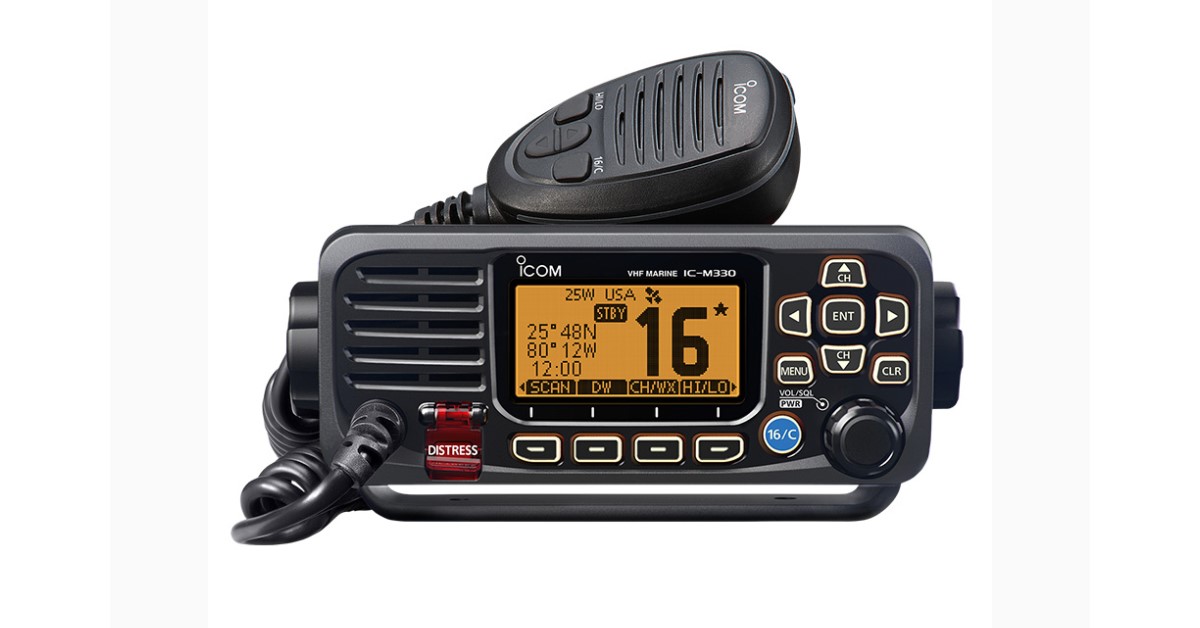
Vhf Marine Radios
VHF marine radios are essential tools for boaters. They help with communication on the water. VHF stands for Very High Frequency. These radios provide clear, reliable voice communication over short to medium distances. They are widely used by recreational and commercial vessels alike. VHF radios operate on channels reserved for marine use. They also offer emergency channels for distress calls. Understanding the types of VHF radios helps you pick the right one for your boat.
Fixed Mount Radios
Fixed mount VHF radios are installed on the boat. They connect to a dedicated power source and antenna. These radios offer higher power output than handheld models. They usually have better range and audio quality. Fixed units often include more features. Features like DSC (Digital Selective Calling) improve safety. These radios are ideal for larger boats or vessels used offshore.
Handheld Radios
Handheld VHF radios are portable and battery-powered. They are small enough to carry on your life jacket. These radios provide flexibility and backup communication. Handheld models have lower power than fixed radios. Their range is more limited but still useful near shore. Many handheld radios include waterproof designs. They are perfect for kayakers and small boaters.
Range And Performance
VHF radios typically transmit up to 20-30 miles. Range depends on antenna height and power output. Fixed mount radios can reach farther distances than handhelds. Weather and obstacles may reduce signal range. VHF radios work best in open water with clear line of sight. DSC-equipped radios can alert others quickly in emergencies. Good performance ensures reliable communication on the water.
Common Uses
VHF marine radios are used for many tasks. Boaters use them to talk with other vessels nearby. They contact marinas, harbormasters, and coast guard stations. Radios help coordinate activities and share weather updates. They are vital for safety in emergencies. Channels exist for navigation warnings and public service announcements. VHF radios keep boaters connected and informed.
Mf/hf Marine Radios
MF/HF marine radios operate on Medium Frequency (MF) and High Frequency (HF) bands. These radios support long-distance communication over hundreds or even thousands of miles. They are vital for vessels traveling beyond coastal waters, where VHF radios cannot reach. MF/HF radios use skywave propagation, bouncing signals off the ionosphere for extended range. They provide a reliable link for safety, weather updates, and routine communication on open seas.
Long-range Communication
MF/HF radios send signals far beyond line-of-sight limits. They connect ships separated by vast oceans. Signals can travel 1,000 miles or more without satellites. These radios are essential when vessels sail in remote areas. Communication remains possible even during satellite outages. This capability ensures crews stay in contact with shore stations and other ships.
Vessel Applications
Large commercial ships widely use MF/HF radios. Fishing fleets depend on them to share catch reports and safety messages. Offshore supply vessels rely on these radios for coordination. Yachts on extended voyages carry MF/HF sets for emergency use. Naval and research vessels benefit from the long-range reach. These radios support essential communication across diverse maritime missions.
Advantages And Limitations
MF/HF radios provide unmatched range and global coverage. They operate without satellites or cell towers. These radios improve safety by allowing distress calls far from shore. However, they need larger antennas and more power than VHF radios. Sound quality can vary due to atmospheric conditions. Setup and operation require training for effective use. Despite these limits, MF/HF radios remain crucial for open-ocean travel.
Satellite Marine Radios
Satellite marine radios offer a vital communication link for boaters far from shore. These radios use satellites to transmit signals, bypassing the limits of traditional radio waves. They ensure you can stay connected almost anywhere on the ocean.
These devices are essential for long voyages and remote areas. They provide reliable communication in places where VHF or HF radios cannot reach. Satellite marine radios enhance safety and peace of mind for sailors and fishermen alike.
Global Coverage
Satellite marine radios work through a network of satellites orbiting Earth. This system covers vast ocean areas, including remote and international waters. Users benefit from communication without range limits found in conventional radios.
Whether near coastlines or in the middle of the ocean, satellite radios maintain clear connections. This global coverage is crucial for emergency calls and routine check-ins during extended trips.
Emergency Features
These radios include built-in emergency functions for quick distress alerts. One common feature is the SOS button, which sends a signal to rescue authorities instantly. This fast response can save lives in critical situations.
Satellite marine radios often support two-way messaging with rescue teams. They also provide GPS location data, helping rescuers find vessels accurately. Such emergency tools make these radios reliable safety devices on the water.
Cost Considerations
Satellite marine radios are more expensive than typical VHF units. The initial purchase price is higher due to advanced technology and satellite access. Users should also consider monthly or annual subscription fees for satellite service.
Costs vary based on the provider and service plan. Budgeting for both the radio and ongoing fees is important before choosing a satellite marine radio. Despite costs, the safety benefits often justify the investment.

Uhf Vs Vhf Radios
Understanding the difference between UHF and VHF radios is key for marine communication. Both types serve important roles on the water. Each has unique features suitable for different marine environments and needs. Choosing the right radio improves safety and communication efficiency.
Frequency Differences
VHF radios operate between 156 and 174 MHz. UHF radios work in the 400 to 512 MHz range. VHF uses longer wavelengths that travel farther over water. UHF signals have shorter wavelengths better for obstacles and urban areas.
Marine Usage
VHF radios are standard on boats and ships for open water communication. They connect vessels to coast guards and marinas. UHF radios are less common in open waters. They are ideal for marinas, docks, and close-range communication where buildings block signals.
Signal Range And Clarity
VHF radios provide clear signals over longer distances on water. They perform well in open spaces with minimal interference. UHF radios offer better clarity in crowded or obstructed areas. Their signals penetrate structures but have shorter range than VHF.
Choosing Marine Radios
Choosing the right marine radio is essential for safety and communication on the water. Different radios suit different needs and boat types. Consider key features before making your decision. Focus on power, durability, ease of use, and legal rules. These factors help you find a reliable radio that works well in marine conditions.
Power Sources And Battery Life
Marine radios use various power sources like batteries or boat power systems. Battery life matters for handheld radios. Long-lasting batteries ensure you stay connected during trips. Rechargeable batteries offer convenience and reduce costs. Fixed radios usually draw power from the boat’s electrical system. Check how long a radio can run on one charge or power supply.
Durability And Waterproofing
Marine radios face harsh environments. Saltwater, rain, and sun can damage devices. Choose radios with strong waterproof ratings. Look for units that are shockproof and corrosion-resistant. A durable radio lasts longer and works well under tough conditions. Waterproof radios keep internal parts safe from water damage. This feature is vital for safety and reliability at sea.
Ease Of Use
Simple controls help you operate radios quickly. Clear displays and buttons improve user experience. Radios with large, easy-to-read screens reduce mistakes. Voice prompts and noise-canceling microphones add convenience. Handheld radios should feel comfortable in your hand. Easy-to-use radios reduce stress and improve communication in emergencies.
Legal Requirements
Marine radios must follow government rules. Different countries have specific regulations about radio use. Some boats require radios with certain features or frequencies. Licensing and registration may be needed. Check local laws before buying a marine radio. Complying with legal rules ensures safe and legal operation on the water.

Additional Communication Devices
Additional communication devices complement marine radios by offering more ways to stay connected. These devices are useful for short-range and alternative communication. They help keep you in touch with your crew and others nearby. Understanding these options improves safety and convenience on the water.
Family Radio Service (frs)
FRS radios are small, handheld devices. They work well for short distances, usually up to a few miles. These radios do not require a license. They are easy to use and affordable. FRS radios are great for communication between family members on a boat or at a marina.
Cb Radios
CB radios operate on 40 channels in the 27 MHz band. They do not need a license for use. CB radios offer moderate range, typically up to 5 miles. These radios can be used for communication with nearby boats or shore stations. CB radios are popular for their simplicity and wide availability.
Ham Radios For Marine Use
Ham radios provide longer range and more communication options. They require an amateur radio license. Ham radios work on various frequencies, including VHF and HF bands. These radios allow contact over many miles and even worldwide. Many boaters use ham radios for emergency communication and long-distance contacts.
Frequently Asked Questions
What Are The Three Types Of Marine Radios?
The three types of marine radios are VHF, MF/HF, and satellite radios. VHF suits short-range use, MF/HF covers long distances, and satellite radios offer global communication.
What Is The 3 3 3 Rule For Radio?
The 3-3-3 rule for radio means listening for 3 minutes, transmitting for 3 minutes, then waiting 3 minutes before repeating.
Which Is Better, Uhf Or Vhf Radios?
VHF radios work better outdoors and over longer distances, ideal for marine use. UHF radios excel indoors and in urban areas with obstacles. Choose based on environment and range needs.
Are Marine Radios Vhf Or Uhf?
Marine radios primarily use VHF frequencies for reliable, short-range communication on water. UHF frequencies are rarely used in marine radios.
Conclusion
Choosing the right marine radio keeps you safe on the water. VHF radios suit most boats with clear short-range talk. MF/HF radios help with long-distance communication. Fixed mount radios stay in one place and offer strong signals. Handheld radios bring flexibility and easy use.
Knowing these types helps you pick what fits best. Stay connected and prepared for any situation. Safe boating depends on good communication tools.