
Are you tired of missing your favorite shows because of poor TV signal? Choosing the right outdoor TV antenna can make all the difference.
But with so many types available, it’s easy to feel overwhelmed. Which antenna works best for your location? How do you get the clearest picture without endless frustration? You’ll discover the main types of outdoor TV antennas and how to pick the one that fits your needs perfectly.
By the end, you’ll be ready to boost your TV signal and enjoy crystal-clear channels without hassle. Keep reading to find the perfect antenna for your home!
Directional Antennas
Directional antennas focus their signal in one main direction. They capture TV signals from a specific area with strong precision. This makes them ideal for places where signals come from one direction only. They help reduce interference from unwanted signals.
Characteristics And Uses
Directional antennas have a narrow reception angle. They need to be aimed carefully toward the broadcast towers. These antennas often have long elements or rods. This design boosts the signal from one direction and blocks others. They work well in rural or suburban areas. Users can receive signals from far away stations. Directional antennas are great for picking up distant channels clearly.
Advantages And Limitations
Directional antennas offer strong signal strength. They reduce noise and interference from other directions. This improves picture and sound quality. They are useful when signals come from a single source. The main limitation is their need for precise aiming. Moving the antenna slightly can reduce signal quality. They may miss channels from other directions. These antennas require more effort to install and adjust. But the clear, strong signal is worth it for many users.

Omnidirectional Antennas
Omnidirectional antennas receive signals from all directions. They do not need to face a specific point. This makes them easy to install and use. Many people choose these antennas for their convenience. They work well in areas where signals come from multiple directions. These antennas help you enjoy clear TV reception without much effort.
Design Features
Omnidirectional antennas have a circular shape or a set of rods around a central point. This design captures signals from every side. They often have a compact, lightweight build. The antennas use multiple elements to pick up signals. This helps improve signal strength and quality. Their design reduces the need for adjusting or moving the antenna.
Ideal Scenarios
These antennas suit places with many TV towers around. Urban areas with signals from different directions benefit most. They work well for people who cannot mount antennas on roofs. Omnidirectional antennas fit well for portable setups too. They are perfect if your signal source changes or is unknown. Their ease of use makes them popular in many homes.
Yagi Antennas
Yagi antennas are popular for outdoor TV signal reception. They have a simple design yet offer strong signal gain. Many people choose Yagi antennas for clear and reliable picture quality. These antennas work best in areas with a clear line of sight to broadcast towers.
Structure And Function
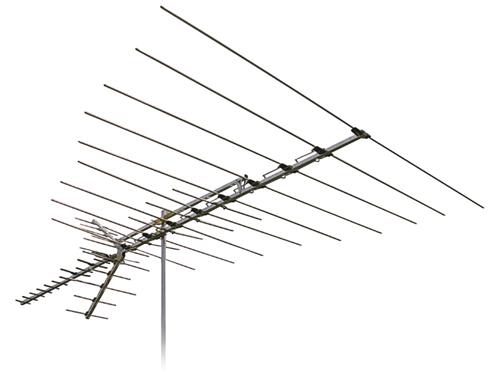
A Yagi antenna has a long, thin shape with several metal rods. One rod acts as the driven element, which catches the TV signals. Other rods, called directors and reflectors, help focus the signal. This focus increases signal strength from one direction. The antenna connects to the TV through a coaxial cable. Its design helps block signals from unwanted directions.
Best Applications
Yagi antennas work well in rural and suburban areas. They are ideal where signals come from a single direction. These antennas perform best with few obstacles like buildings or trees. They pick up distant signals better than some other types. Yagi antennas suit users wanting to watch many channels clearly.
Log Periodic Antennas
Log periodic antennas are popular for outdoor TV setups. They have a unique design with many metal elements arranged in a pattern. This pattern helps the antenna pick up signals from a wide range of channels. These antennas work well in places with different signal strengths.
They look like a series of rods connected to a central support. This design helps them catch signals from various directions. Many people choose log periodic antennas for their reliability and broad coverage.
Frequency Range
Log periodic antennas cover a wide frequency range. They can receive both VHF and UHF signals. This means they can get many local channels and some distant ones. The design allows them to work well across multiple TV broadcast bands. This feature makes them very versatile for outdoor use.
Performance Benefits
These antennas offer strong and stable signal reception. Their design reduces signal loss and interference. They handle weak signals better than many other antennas. This helps in areas with poor signal quality. Log periodic antennas also have a good range. They can pick up signals from far away transmitters. This makes them a solid choice for outdoor TV antenna users.
Grid Antennas
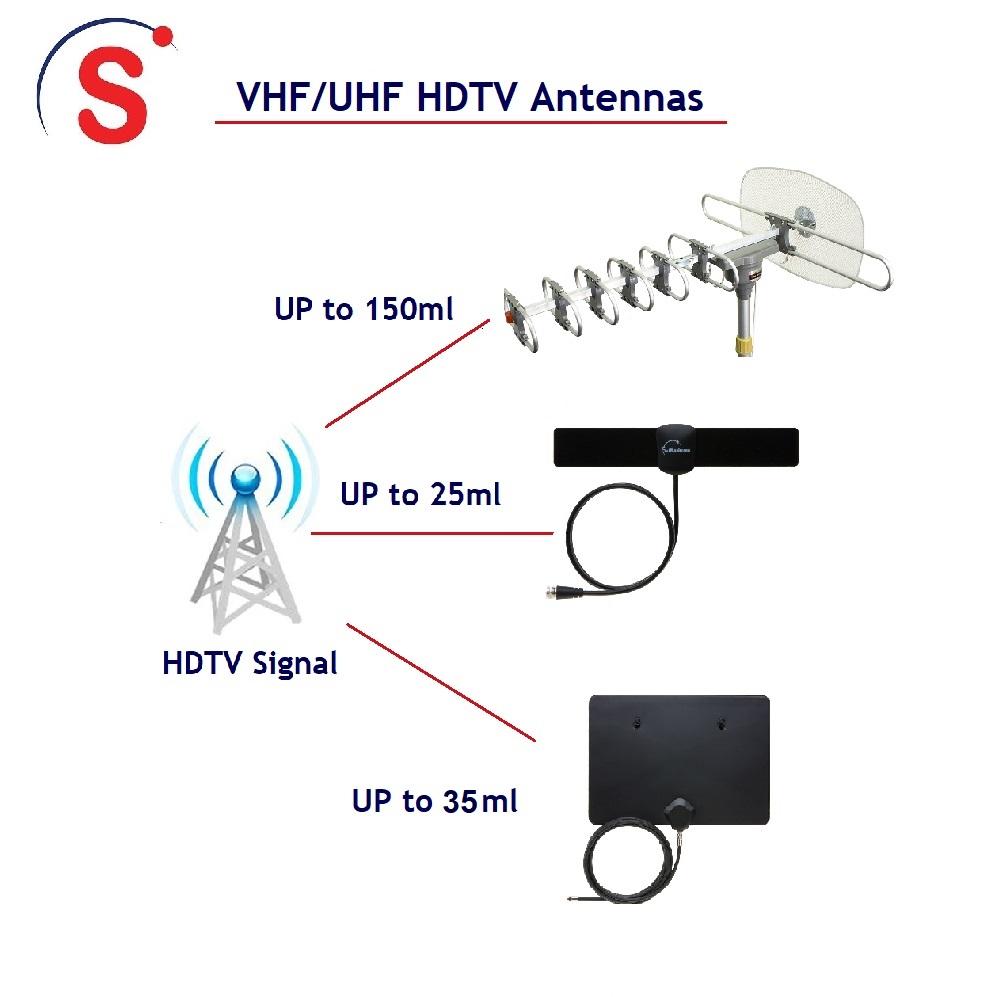
Grid antennas are a popular choice for outdoor TV reception. They have a unique design that helps catch signals from far away. These antennas work well in rural areas or places with weak signals. Their shape reduces wind resistance, making them durable in strong weather.
Construction Details
Grid antennas consist of a metal frame shaped like a grid. The frame is usually made of aluminum. This material is light and resists rust. The grid structure acts like a shield, allowing signals to pass through while blocking wind. The antenna has a dipole element at the center to catch signals. It often includes a reflector behind the dipole to improve reception. The whole setup is mounted on a pole for easy positioning.
Signal Reception
Grid antennas focus on signals from one direction. This focus boosts signal strength and reduces interference. The reflector helps by bouncing signals toward the dipole. This design improves the antenna’s ability to pick up distant channels. The antenna works best if pointed directly at the broadcast tower. It handles UHF signals very well but can also catch some VHF channels. Grid antennas provide clear pictures and stable TV reception in many conditions.
Panel Antennas
Panel antennas are a popular choice for outdoor TV reception. They have a flat, rectangular shape that helps focus signals from a specific direction. These antennas work well in areas with moderate signal strength. Their compact design fits easily on walls or poles. Panel antennas provide clear picture quality by reducing interference from other directions.
Design And Usage
Panel antennas have a slim, flat design. This shape helps capture signals from one direction. They usually have multiple elements inside to improve signal strength. These antennas work best in suburban or rural areas. They suit users who want a neat and modern look. Their directional nature means aiming them toward broadcast towers is important. They can pick up both UHF and VHF signals.
Installation Tips
Mount panel antennas high on a wall or pole. Clear view toward the TV towers improves reception. Avoid obstructions like trees or buildings in front. Use a sturdy bracket to keep the antenna stable. Check the antenna’s direction with a signal meter or TV screen. Tighten all screws to prevent movement in wind. Weatherproofing the connections helps prevent damage over time.
Factors To Consider When Choosing
Choosing the right outdoor TV antenna can be tricky. Several factors affect how well the antenna will work. Understanding these factors helps you pick the best antenna for your needs. This section explains the key points to consider before buying.
Signal Strength
Signal strength is the most important factor. It determines how clear your TV picture will be. Check the distance from your home to the broadcast towers. Stronger signals mean better reception. Some antennas amplify weak signals, which helps in areas far from towers.
Location And Environment
Where you live affects antenna choice. Buildings, trees, and hills can block signals. Open spaces give better signal reception. Coastal and rural areas might need different antennas. Weather also matters. Antennas must resist rain, wind, and snow to last long.
Budget And Durability
Set a budget before shopping. Antennas come in many price ranges. Higher price often means better build quality and features. Choose a durable antenna to avoid frequent replacements. Look for rust-resistant materials and strong mounts. Spending a bit more can save money over time.
Frequently Asked Questions
What Are The Main Types Of Outdoor Tv Antennas?
Outdoor TV antennas mainly include directional, omnidirectional, and multi-directional types. Directional antennas focus on signals from one direction. Omnidirectional antennas receive signals from all around. Multi-directional offer a mix of both.
How Do Directional Outdoor Antennas Work?
Directional antennas point toward the TV signal source to get a stronger signal. They work best in areas where signals come from one direction. This helps reduce interference and improve picture quality.
Which Outdoor Antenna Type Is Best For Rural Areas?
Directional antennas are usually best for rural areas due to long distances. They can focus on distant TV towers and get clearer signals. Omnidirectional antennas may struggle with weak or distant signals.
Can Multi-directional Antennas Catch Signals From Several Directions?
Yes, multi-directional antennas capture signals from different directions. They are useful in areas with many TV towers around. This type helps when signals come from multiple sources.
How To Choose The Right Outdoor Tv Antenna?
Consider your location and signal strength first. Use a directional antenna if signals come from one place. Choose omnidirectional or multi-directional if signals come from many directions.
Conclusion
Choosing the right outdoor TV antenna depends on your location and needs. Some antennas work best in cities, while others suit rural areas. Directional antennas focus on signals from one direction. Omnidirectional antennas pick up signals from all around. Consider signal strength, range, and installation ease.
A good antenna helps you watch more channels clearly. Take time to compare types before buying. This way, you enjoy better TV reception and fewer interruptions. Simple steps lead to great viewing experiences outdoors.