
Are you tired of poor TV reception or struggling to find the right antenna for your home? Choosing the right TV antenna can make a huge difference in the quality of your viewing experience.
But with so many types available, how do you know which one suits your needs best? You’ll discover the main types of TV antennas and how each one can improve your signal. By the time you finish reading, you’ll feel confident in picking the perfect antenna to bring your favorite shows and channels into clear view.
Keep reading to unlock the secrets to better TV reception!
Indoor Antennas
Indoor antennas are a popular choice for many TV viewers. They are easy to install and fit inside your home. Indoor antennas do not require outdoor mounting or special tools. They can pick up local channels well in many areas. Different types of indoor antennas offer various benefits. You can choose one based on your space and signal needs.
Flat Panel Antennas
Flat panel antennas are thin and lightweight. They blend well with home decor and do not take much space. These antennas work best near windows or walls facing broadcast towers. Their modern design makes them easy to place on shelves or hang on walls. Flat panel antennas often provide clear reception for urban and suburban areas.
Rabbit Ears
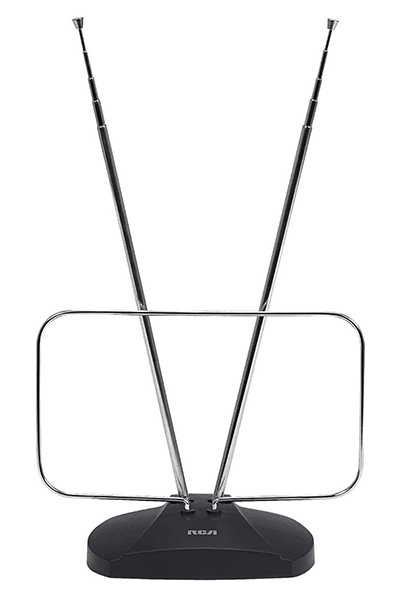
Rabbit ears are classic indoor antennas. They have two extendable rods that you can adjust. Moving the rods helps find the best signal direction. Rabbit ears work well for VHF channels and some UHF stations. They are affordable and simple to use, making them a good choice for beginners.
Amplified Indoor Antennas
Amplified indoor antennas include a built-in signal booster. This feature improves weak signals and increases channel range. They work well in areas with distant broadcast towers. The amplifier needs power, usually from a USB or wall outlet. Amplified antennas help reduce signal dropouts and provide better picture quality.
Outdoor Antennas
Outdoor antennas are popular for receiving clear TV signals. They capture signals from distant towers better than indoor antennas. These antennas need to be mounted outside on rooftops or poles. The open space helps them catch stronger signals. Different types of outdoor antennas serve various purposes and signal ranges.
Yagi Antennas
Yagi antennas are common for outdoor TV reception. They have several metal rods arranged in a line. This design focuses on signals from one direction. Yagi antennas work well for picking up signals from far away. They are easy to install and provide strong signal strength.
Log Periodic Antennas
Log periodic antennas look like a series of metal elements. These elements vary in size and spacing. They receive signals from a wider range of frequencies. Log periodic antennas are useful in areas with many TV channels. They balance good range with good signal quality.
Satellite Dish Antennas
Satellite dish antennas receive signals from satellites in space. They have a round, dish-shaped reflector. This shape helps focus satellite signals onto a receiver. Satellite dishes offer many channels and high-quality images. They require clear line of sight to the satellite.
Directional Vs Omnidirectional
Choosing between directional and omnidirectional TV antennas depends on your needs. Each type picks up signals differently. Directional antennas focus on signals from one direction. Omnidirectional antennas receive signals from all around. Understanding these differences helps in selecting the right antenna for clear TV reception.
Benefits Of Directional Antennas
Directional antennas offer a strong and clear signal from one direction. They reduce interference from unwanted signals. These antennas work well in areas with many TV towers in one direction. They often provide better picture quality for distant stations. Installation is simple by pointing towards the signal source.
Benefits Of Omnidirectional Antennas
Omnidirectional antennas capture signals from all sides. This makes them ideal for locations with TV towers in different directions. They do not need frequent adjustment. These antennas work well in urban areas with many signal sources. They provide stable reception even if the antenna moves slightly.

Digital Vs Analog Antennas
Television antennas have evolved with technology. Two main types exist: digital and analog. Each serves a different purpose and offers unique benefits. Understanding their differences helps choose the right antenna for your needs.
Features Of Digital Antennas
Digital antennas receive signals in digital format. They offer clear, sharp picture quality without static. These antennas support high-definition (HD) broadcasts. Digital signals carry more information, improving sound and video. They can capture multiple channels from one antenna. Digital antennas often have a simple design and easy setup. Many models include features to boost weak signals.
Features Of Analog Antennas
Analog antennas capture older TV signals. These signals are in continuous waves, not digital data. Picture quality can vary and may show static or ghosting. Analog signals carry less information than digital. Analog antennas are often cheaper and simpler. They work well in areas with strong signal strength. Some older TVs require analog antennas to receive channels.
Choosing The Right Antenna
Choosing the right TV antenna can improve your viewing experience greatly. The right antenna brings clear signals and more channels. It depends on your location, home setup, and signal strength. Understanding these factors helps in selecting the best antenna type.
Factors To Consider
First, check how far you are from broadcast towers. Distance affects signal quality and antenna type. Next, consider if your area has obstacles like tall buildings or trees. These can block signals and reduce reception.
Think about indoor or outdoor installation. Indoor antennas are easy to set up but may get weaker signals. Outdoor antennas usually get better signals but require mounting outside.
Also, decide on the range you need. Some antennas cover short distances only. Others can reach towers that are far away. Knowing your needs helps avoid buying the wrong antenna.
Installation Tips
Place the antenna high and near a window for best reception. Avoid metal objects or devices that cause interference nearby. Point the antenna towards the nearest broadcast tower for stronger signals.
Use a signal meter app or a TV’s signal strength feature during installation. This helps find the best spot for clear reception. Secure the antenna firmly to prevent movement from wind or vibrations.
Check cables and connectors for damage before starting. Good connections reduce signal loss. Test the channels after setup to ensure good picture and sound quality.

Frequently Asked Questions
What Are The Main Types Of Tv Antennas Available?
TV antennas mainly come in three types: indoor, outdoor, and attic antennas. Each type suits different signal strengths and installation spaces. Choosing the right one depends on your location and needs.
How Does An Indoor Tv Antenna Work?
Indoor TV antennas capture signals from nearby broadcast towers. They are easy to install and best for strong signal areas. Placement near windows usually improves reception.
Why Choose An Outdoor Tv Antenna Over Indoor?
Outdoor antennas receive stronger signals from farther broadcast towers. They provide better picture quality and more channel options. Ideal for rural or weak signal locations.
What Is The Difference Between Directional And Omnidirectional Antennas?
Directional antennas focus on signals from one direction, boosting range. Omnidirectional antennas pick up signals from all directions but with less reach. Your choice depends on tower locations.
Can A Tv Antenna Pick Up Digital Channels?
Yes, TV antennas can receive free digital channels if your TV supports digital signals. Most modern TVs have built-in digital tuners. Antennas work best with clear line-of-sight to towers.
Conclusion
Choosing the right TV antenna depends on your location and needs. Indoor antennas work well in cities with strong signals. Outdoor antennas suit rural areas and long distances. Directional antennas focus on one signal source. Omnidirectional antennas pick up signals from all directions.
Understanding these types helps you enjoy clear TV reception. Keep your antenna placed high and free from obstructions. This simple step improves signal quality greatly. Now, you can pick the best antenna for your home easily. Watching TV with better signal is closer than you think.