
Are you looking to upgrade your TV but feel overwhelmed by all the options out there? Understanding the types of high definition TVs can make your decision much easier.
Whether you want sharper images, richer colors, or the best gaming experience, knowing the differences between HD TVs will help you pick the perfect one for your needs. Keep reading, and you’ll discover exactly what each type offers—so you can enjoy your favorite shows and movies like never before.

Lcd Tvs
LCD TVs are one of the most common types of high definition televisions. They use liquid crystal display technology to show clear and bright images. These TVs are popular for their slim design and energy efficiency. Many homes have LCD TVs because they offer good picture quality at a reasonable price.
How Lcd Works
LCD TVs use a backlight behind the screen. The liquid crystals block or allow light to pass through. This creates different colors and images on the screen. The TV controls the crystals to show moving pictures quickly. This technology helps produce sharp and bright images.
Pros And Cons
LCD TVs use less power than older TVs. They are thin and light, so easy to hang on walls. These TVs work well in bright rooms. The screen does not glare much. On the downside, LCD TVs may have limited viewing angles. Colors can look less vivid from the side. Some models have slower response times, causing motion blur.
Popular Models
Many brands offer good LCD TVs. Samsung, LG, and Sony have popular models. These TVs come in many sizes and prices. You can find budget-friendly options or high-end models. Most include smart TV features for apps and streaming. Check the latest reviews to choose the right one.
Led Tvs
LED TVs are a popular type of high definition television. They use light-emitting diodes to create bright and clear images. These TVs offer great picture quality and work well in many lighting conditions. LED TVs come in various sizes and styles to fit different rooms and budgets.
Backlighting Technology
LED TVs use tiny LED lights behind or around the screen. These lights illuminate the display and show images. Some LED TVs have lights only around the edges. Others have lights spread behind the entire screen. This helps create better brightness and contrast in pictures.
Advantages Over Lcd
LED TVs are actually a type of LCD TV but with improved backlighting. They provide sharper images than traditional LCDs. The colors look richer and more natural. LED TVs are thinner and lighter than older LCD models. This makes them easier to mount on walls or place on stands.
Energy Efficiency
LED TVs use less power than many other TV types. The LED backlights consume less energy than older bulbs. This helps reduce electricity bills and is better for the environment. Energy-efficient TVs also produce less heat during use. This adds to their overall comfort and safety.
Oled Tvs
OLED TVs are a popular choice for many people. They use a unique screen technology that makes images look sharp and bright. Many enjoy their rich colors and deep blacks. This type of TV offers a different experience compared to traditional screens. It is great for watching movies, sports, and playing games.
Self-emissive Pixels
OLED stands for Organic Light Emitting Diode. Each pixel in an OLED screen lights up by itself. This means the pixels do not need a backlight. When a pixel is off, it is completely black. This ability helps create true black colors and better contrast. It also allows the screen to be thinner and more flexible.
Picture Quality Benefits
OLED TVs show bright colors and sharp details. The black levels are very deep, making the picture look natural. Colors appear more vivid and lifelike. The screen can display fast motion smoothly. This makes watching sports or action scenes enjoyable. Wide viewing angles mean the picture looks good from any seat.
Price Considerations
OLED TVs tend to cost more than other types. This is because the technology is advanced and expensive to make. Prices have dropped over time but still remain higher. Buyers get excellent picture quality for the price. It can be a good investment for those who want the best view.
Qled Tvs
QLED TVs have become popular for their bright and sharp images. They use special technology to improve color and picture quality. This makes watching movies and shows more enjoyable. Many people choose QLED TVs for their vibrant display and long-lasting performance.
Quantum Dot Technology
QLED stands for Quantum Dot LED. It uses tiny particles called quantum dots. These dots emit bright and pure colors when light passes through them. The technology helps TVs show more accurate and vivid colors. It also increases the screen’s brightness without using more power.
Color And Brightness
QLED TVs produce strong and lively colors. They can show a wide range of shades clearly. The brightness level is higher than many other TVs. This makes QLEDs good for bright rooms. The screen stays clear and colorful even in daylight.
Comparison With Oled
OLED TVs use different technology with self-lighting pixels. They show perfect blacks and better contrast. QLEDs are brighter and usually last longer. OLEDs have thinner screens but can be more expensive. Both offer great picture quality but suit different needs.
Plasma Tvs
Plasma TVs were popular for their bright colors and deep blacks. They offered a great picture quality that many users liked. These TVs use a different technology than LCD or LED screens. Plasma screens use tiny cells filled with gas to create images. This technology made them stand out in the early days of HD TVs.
How Plasma Displays Work
Plasma TVs have many small cells between two glass panels. Each cell contains a mixture of gases. When electricity flows through, the gas turns into plasma. This plasma lights up tiny red, green, and blue phosphors. These lights combine to form the images on the screen. This process produces bright and clear pictures with smooth motion.
Reasons For Decline
Plasma TVs became less popular over time. They used more power than other TVs. The screens were often heavier and thicker. These TVs could also suffer from screen burn-in. This happens when static images stay too long and leave marks. Newer technologies like LED became cheaper and lighter. These changes made plasma TVs less common.
Current Availability
Most manufacturers stopped making plasma TVs years ago. They are now rare in stores. Some used or refurbished plasma TVs are available online. Collectors and fans still appreciate plasma for its picture quality. Yet, new plasma TVs are not produced today. People now mostly buy LED or OLED TVs instead.
4k And 8k Tvs
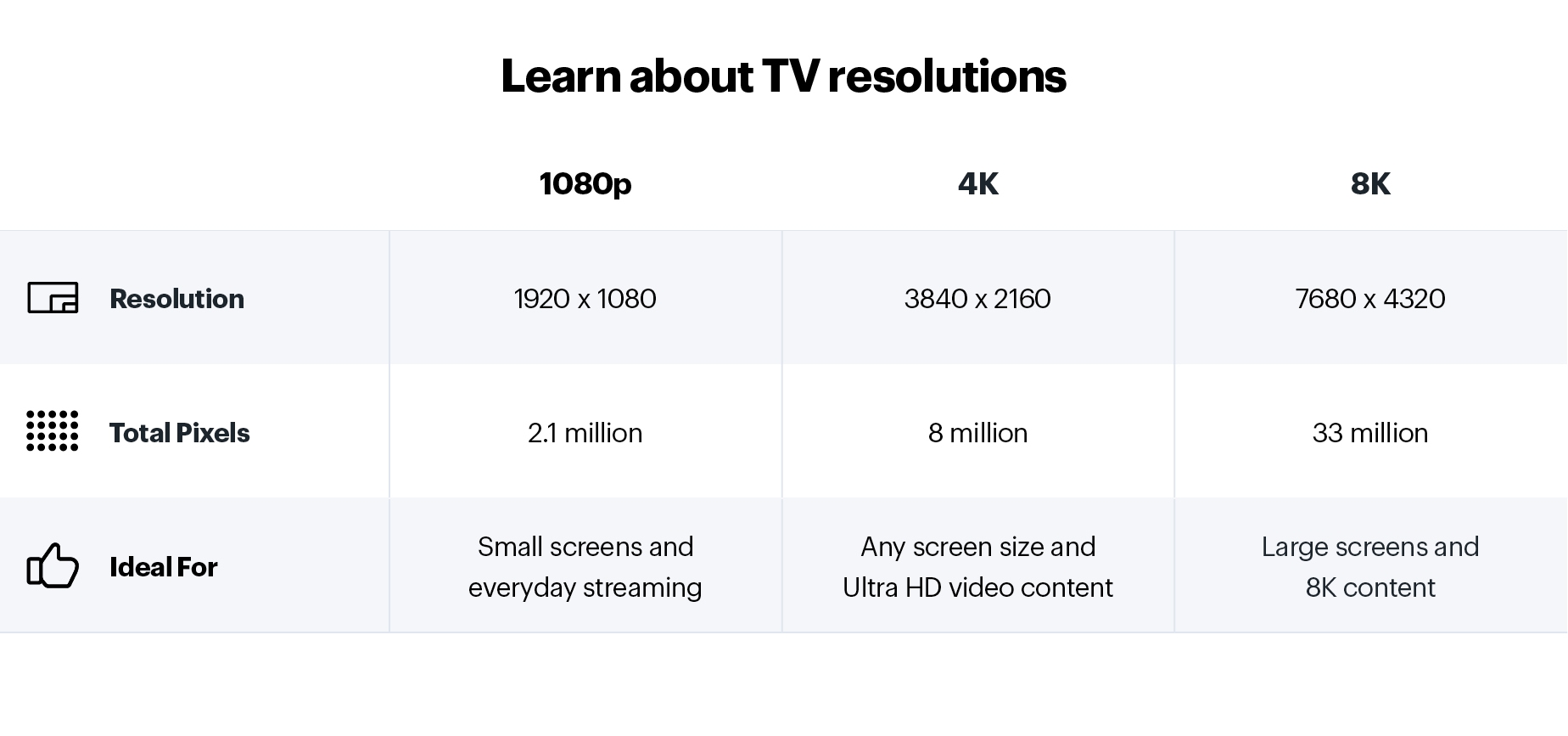
4K and 8K TVs offer very clear and sharp images. These TVs have many pixels, which make pictures look detailed. They bring new life to movies, shows, and games. Choosing between 4K and 8K depends on what you want from your TV and your budget.
Resolution Differences
4K TVs have about 8 million pixels. This means pictures are sharp and clear. 8K TVs have four times more pixels than 4K. That is about 33 million pixels. The extra pixels make images look very detailed, especially on big screens. But the difference is more visible on very large TVs.
Content Availability
Many movies and shows are made in 4K today. Streaming services offer a lot of 4K content. 8K content is rare right now. Few channels and platforms provide 8K videos. Most 8K TVs use upscaling to improve lower resolution content. This helps to make regular videos look better on 8K screens.
Future Trends
More 8K TVs will enter the market soon. Content creators will slowly produce more 8K videos. Prices of 8K TVs may become lower over time. Technology will improve to support better picture quality. 4K will stay popular as a good choice for most users.

Frequently Asked Questions
What Are The Main Types Of High Definition Tvs?
The main types include LCD, LED, OLED, and QLED TVs. Each uses different technology for picture quality and brightness.
How Does Oled Tv Differ From Led Tv?
OLED TVs have pixels that light up individually for deeper blacks. LED TVs use a backlight behind the screen, affecting contrast.
What Makes Qled Tvs Special In Hd Technology?
QLED TVs use quantum dots to boost color and brightness. They offer vivid images and better energy efficiency.
Is 4k Tv A Type Of High Definition Tv?
Yes, 4K TVs have four times the pixels of Full HD TVs. This means sharper and clearer images.
Which Hd Tv Type Is Best For Dark Rooms?
OLED TVs perform best in dark rooms due to perfect black levels. They reduce glare and enhance contrast naturally.
Conclusion
High Definition TVs come in many types to fit different needs. Each offers clear pictures and good colors. Choosing the right TV depends on your space and budget. Keep in mind the screen size, resolution, and features. This helps you enjoy movies, games, and shows better.
Understanding these types makes buying easier and smarter. Now, you can pick the best TV for your home with confidence.